Whether a snack survives the trip to school depends on one thing: how long it sits before your kid eats it.
Fruit kabobs, mini egg muffins and dried apple rings pack easily, while frozen yogurt dipped bananas and peanut butter popsicles belong at home or after school, since they thaw or soften by lunchtime.
The list runs from no-prep popcorn to a bento box with a divided section that keeps berry juice off the crackers, and each school’s nut policy can rule out an otherwise good pick.
1. Yogurt Parfaits
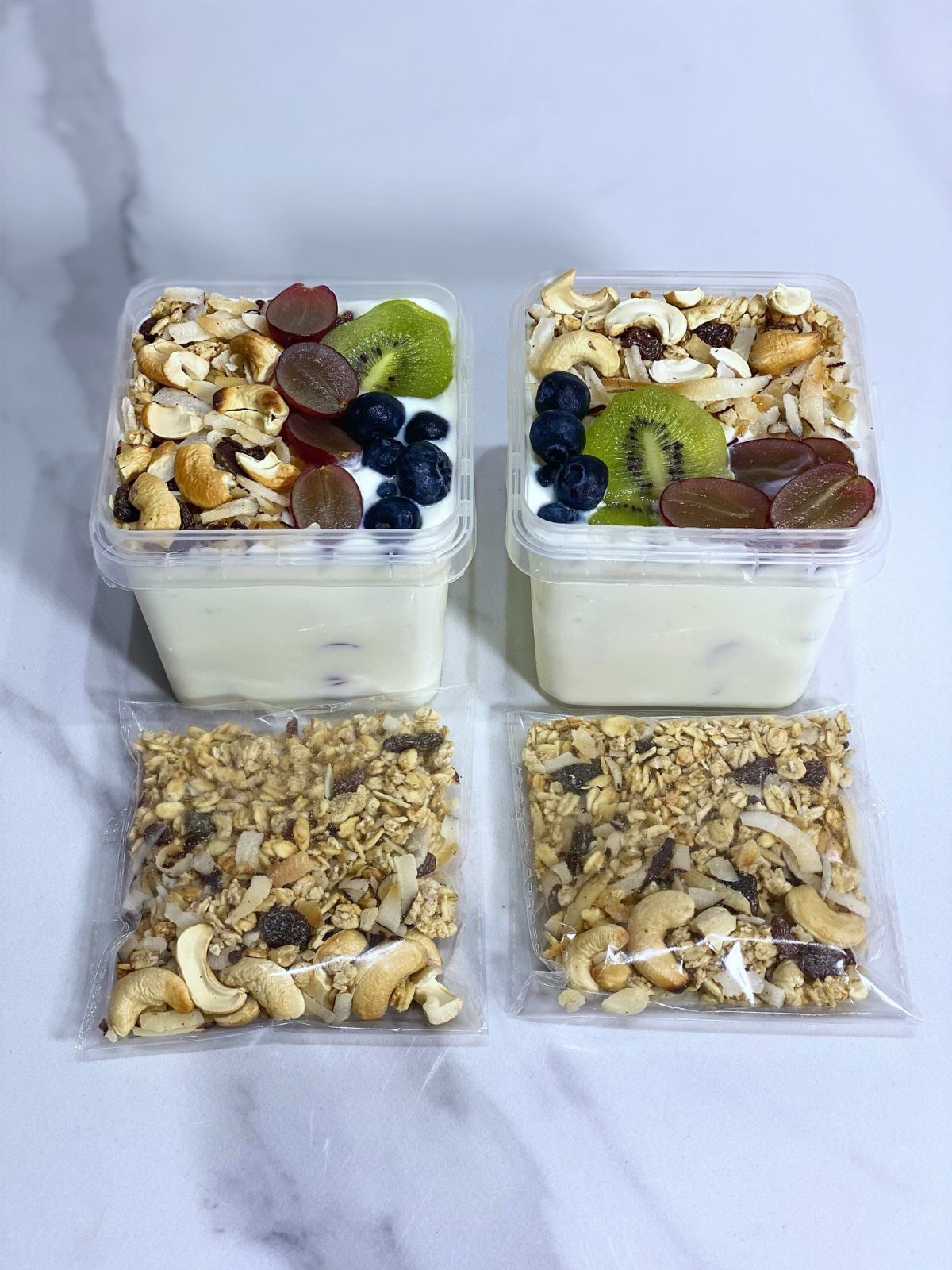
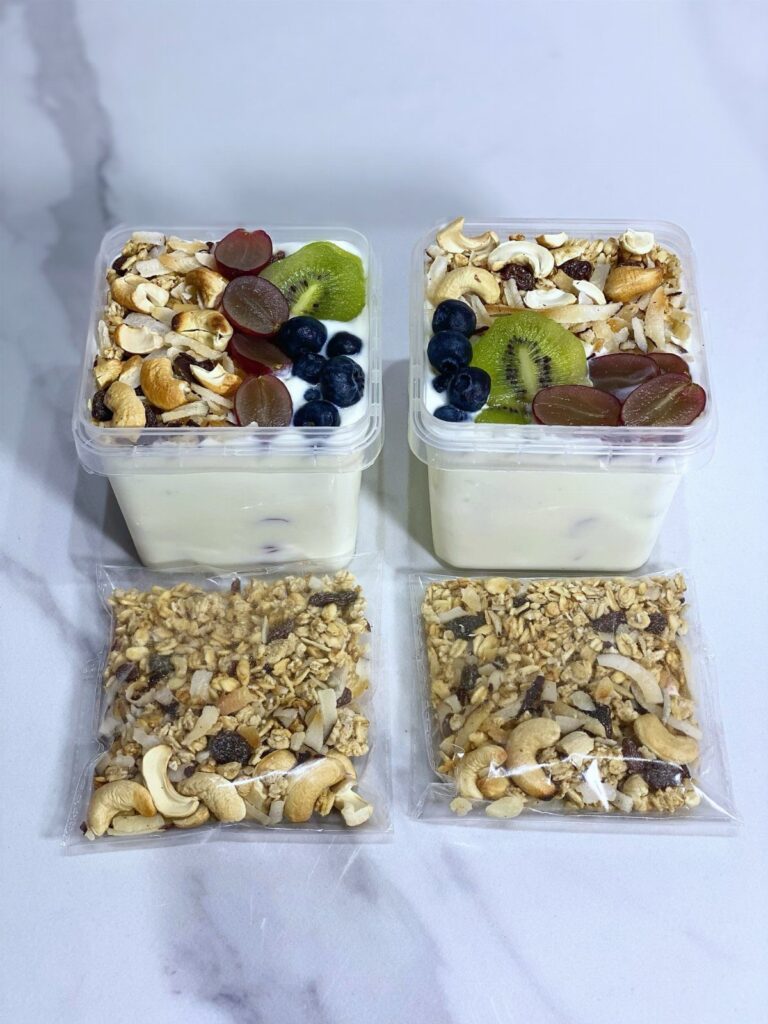
Packing the granola in its own bag is the move that makes a parfait work in a lunchbox. Mixed in early, it turns soft by lunchtime; kept separate, it stays crunchy.
Spoon yogurt and fruit into a small lidded container, and let your kid pour the granola on top right before eating. Nuts add crunch too, though I would skip them if the school has a nut-free rule.
Yogurt gives protein and the fruit adds vitamins, so one container covers a lot.
2. Veggie Sticks with Hummus
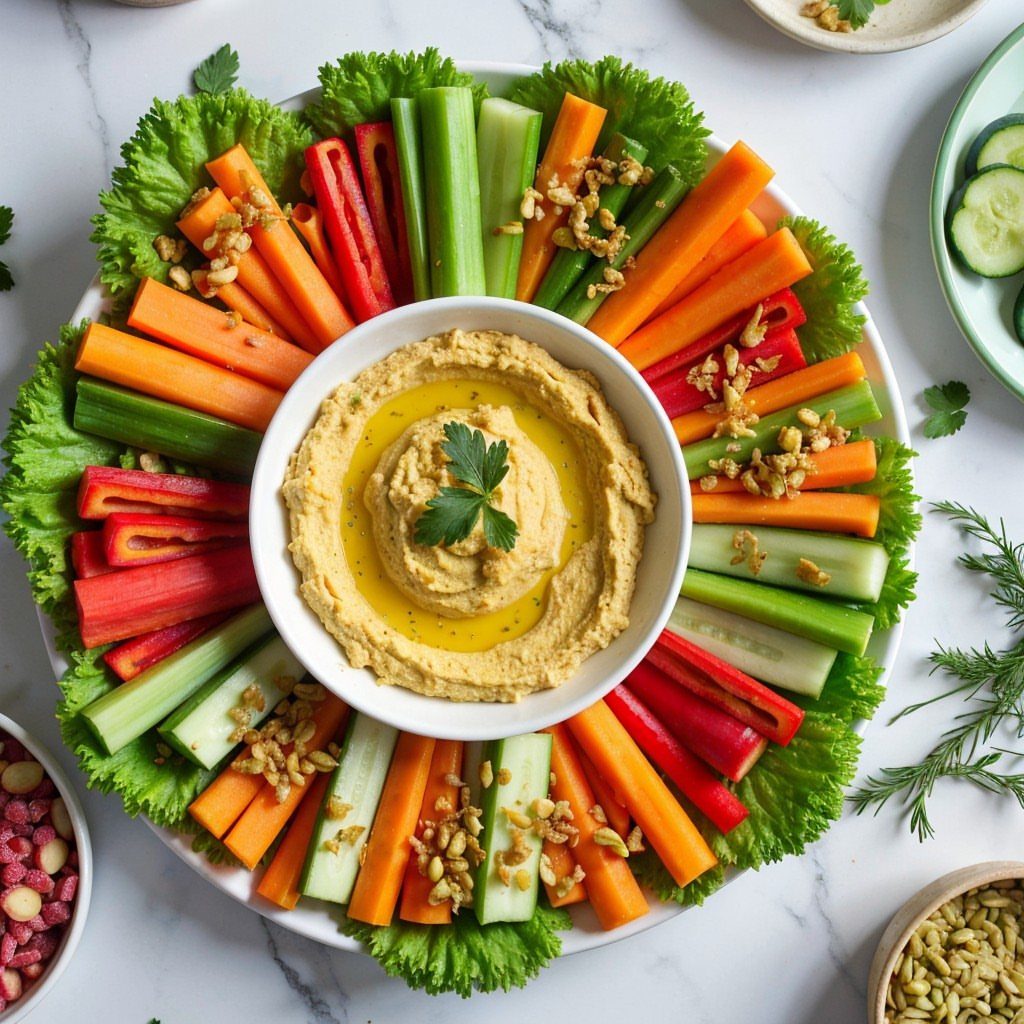
Sticks of carrot, pepper, cucumber and celery cut to about the same length turn hummus from a side dip into a real snack.
The dip carries the protein, and the colors make a plain vegetable tray look like something a kid picked out.
For school, I would pack the hummus in a small sealed cup and tuck the sticks beside it. A lettuce leaf under the veggies keeps the plate tidy at home, but skip it in a lunchbox, where it only wilts.
Kids who skip raw vegetables often eat them once there is something to dip.
3. Trail Mix
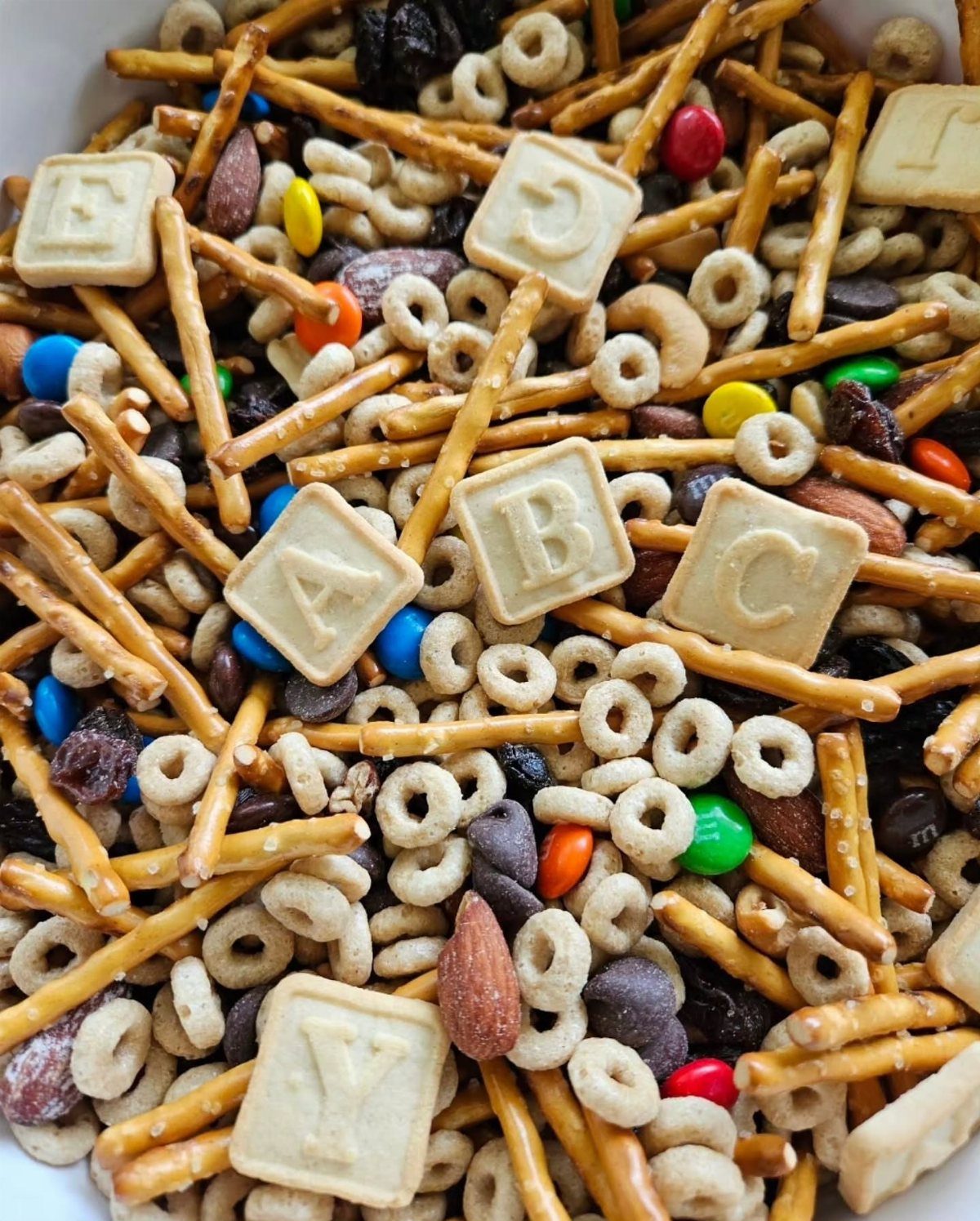
Trail mix is the one snack where the kid does the work, which is why it gets eaten.
My preference is a small handful of candy, like the M&Ms here, against a much bigger base of cereal, pretzels and nuts. That keeps it fun without turning it into dessert.
Swap the almonds for seeds or extra cereal when nuts are off limits. Pack single servings in small bags.
4. Mini Muffins
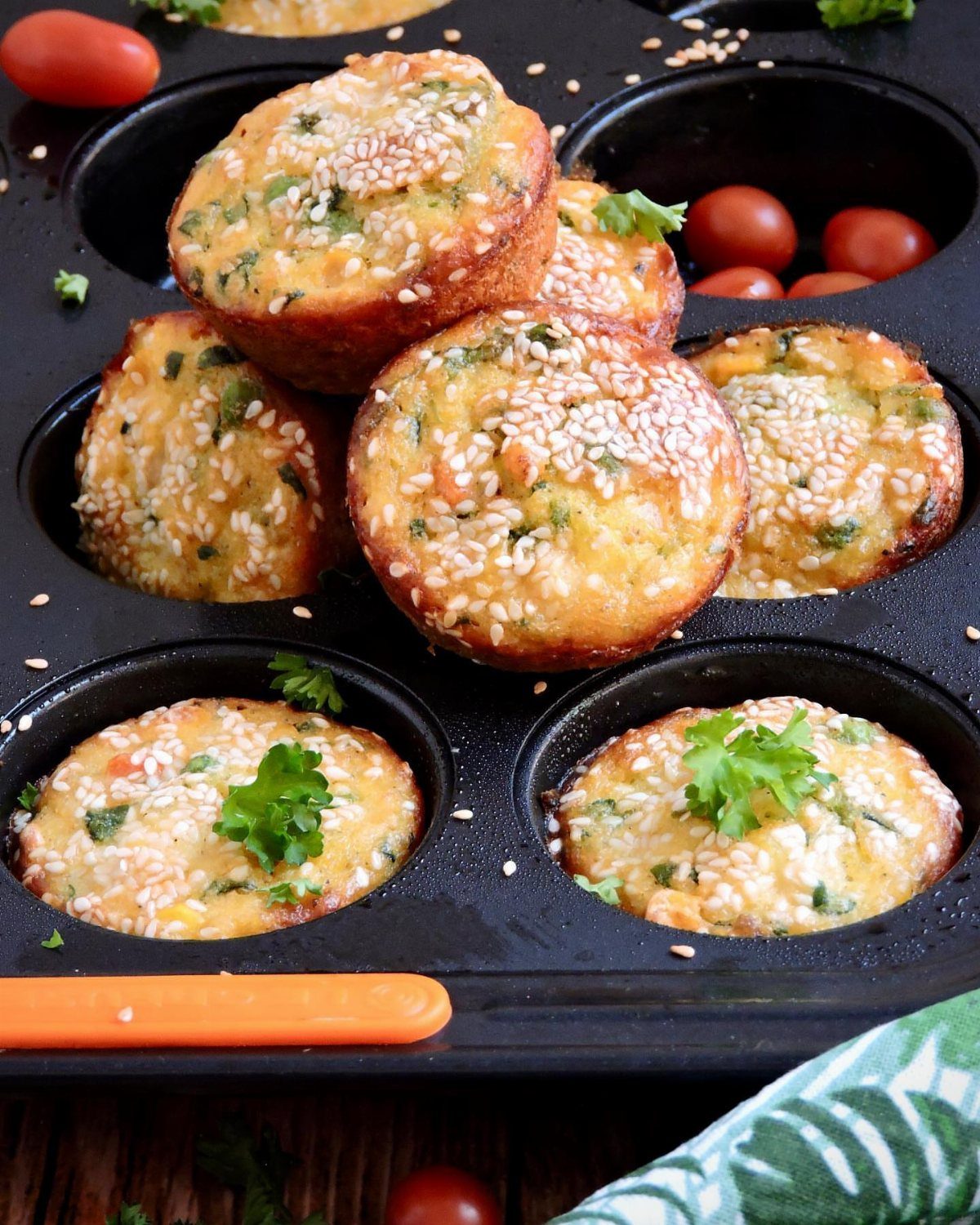
Savory mini muffins with vegetables baked into the batter are an easy answer for kids who push veggies aside. Once they are chopped small and baked in, nobody has to negotiate.
Sesame seeds on top add a little crunch and a nicer look. A mini tin means each muffin is a few bites, so they fit a lunchbox without crumbling the way a full-size one might.
Bake a batch ahead, and pair them with cherry tomatoes on the side for a snack that needs no assembly in the morning.
5. Mini Egg Muffins
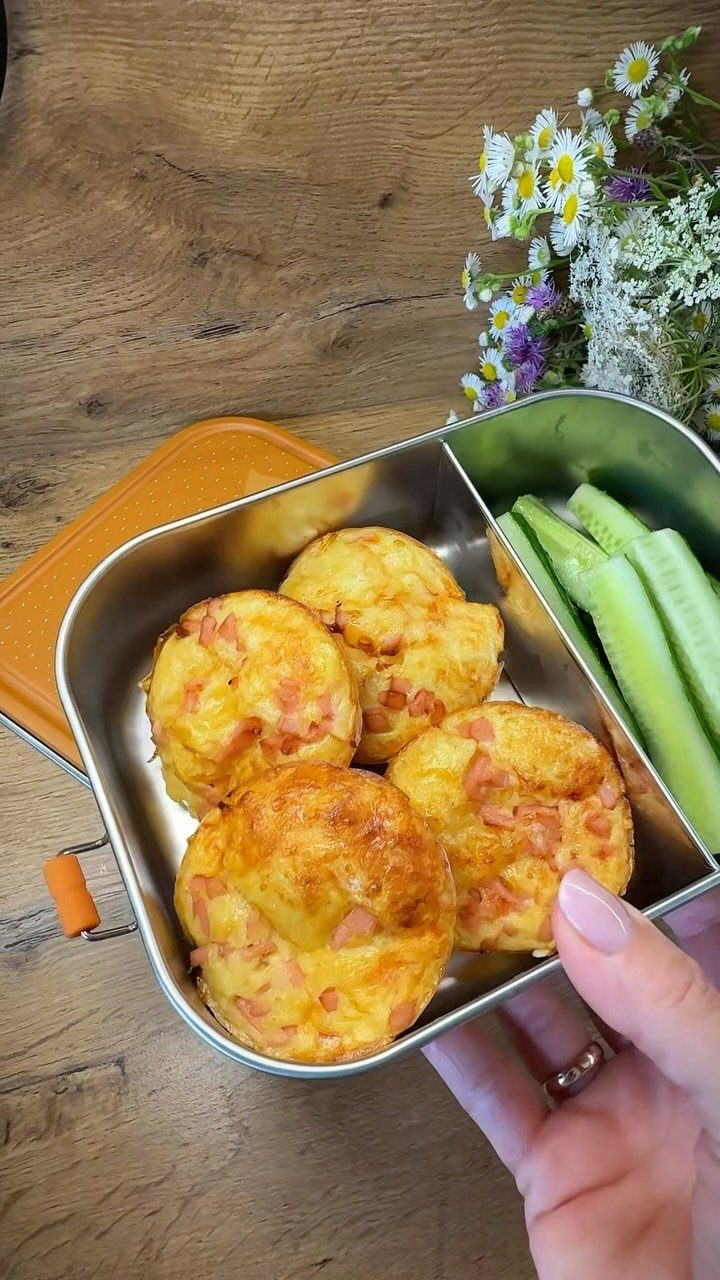
Four mini egg muffins fill a small compartment of a metal bento box neatly, and they bring real protein to a school snack.
They are easy to make ahead: bake a tin on a free evening and pack a few each morning.
Cucumber slices or celery sticks next to them add crunch and keep the box from feeling heavy.
I like a divided box here so the eggs stay apart from the wet vegetables. Eggs are also a quick fix for kids who tire of sandwiches.
6. Fruit Kabobs
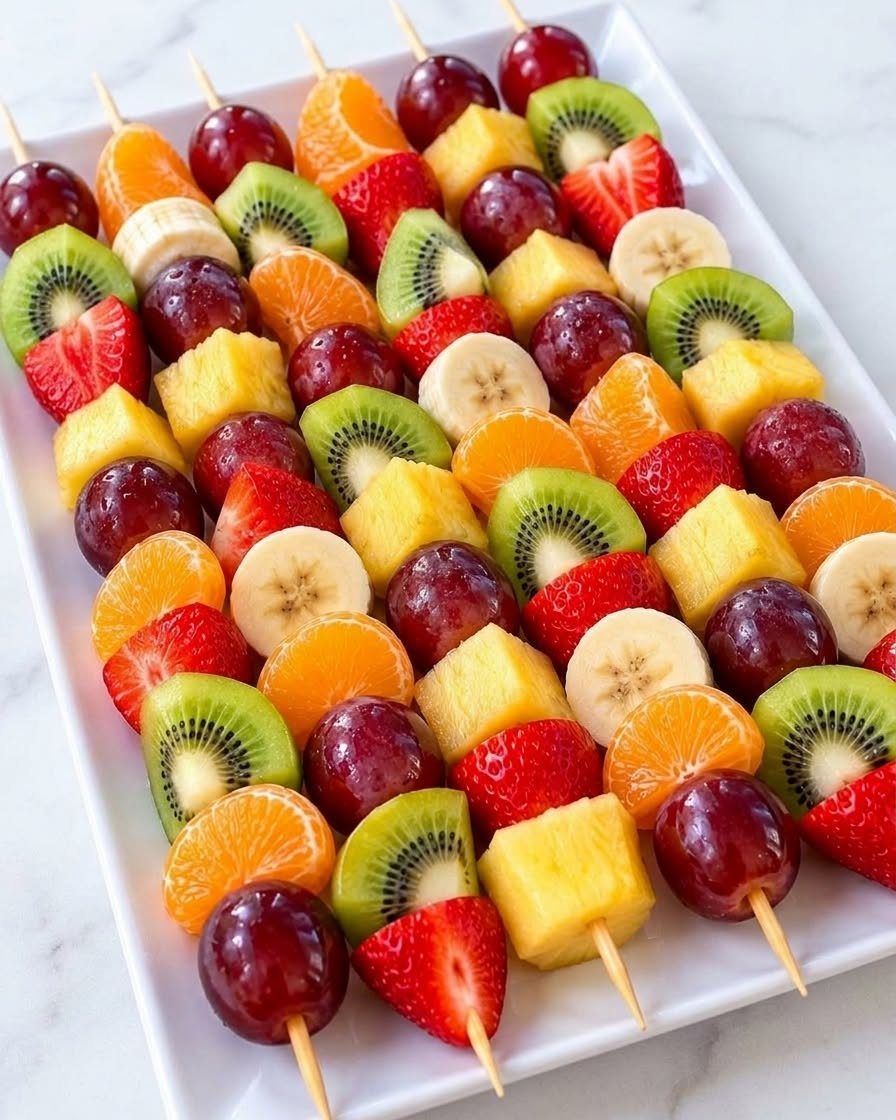
Food on a stick gets eaten, and fruit kabobs prove it. Thread grapes, pineapple, kiwi, strawberries, orange segments and banana onto skewers, and the rainbow does the selling for you.
For younger kids, I would trim off the sharp tips of the skewers or slide the fruit off into a container. Bananas brown quickly, so add them last, or leave them off if the kabobs are made the night before.
They suit class parties as well as lunchboxes, since there is no mess and nothing to slice.
7. Apple Slices with Peanut Butter
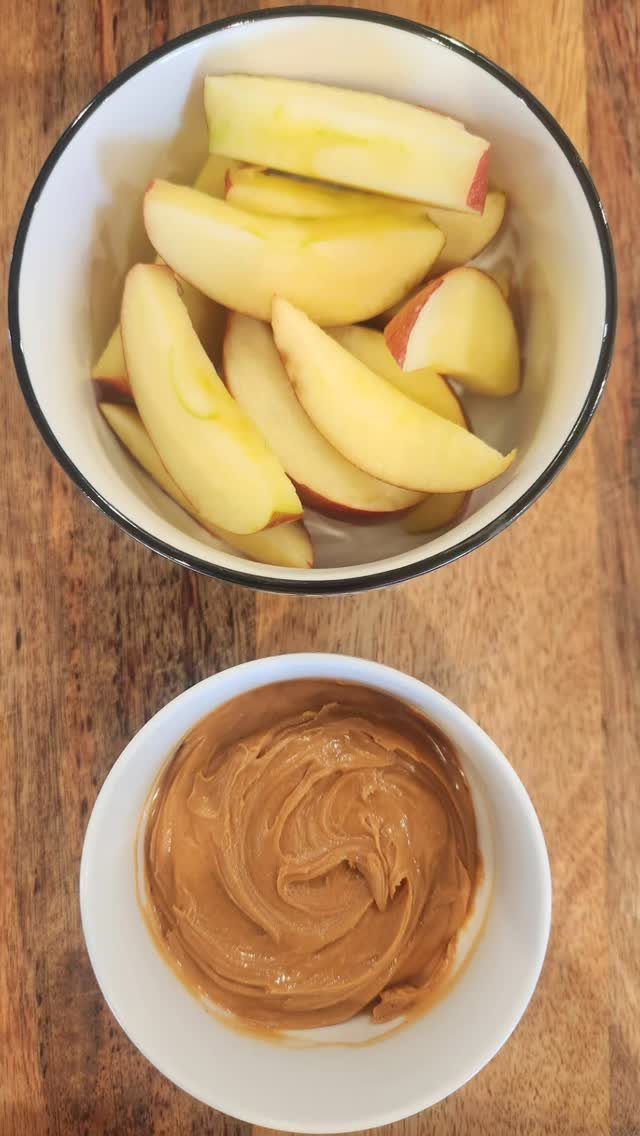
Crisp apple against creamy peanut butter is a pairing that needs no improvement. Pack the peanut butter in a small sealed cup beside the slices so nothing gets soggy.
Apples brown by lunchtime, so I would toss the slices in a little lemon juice before packing. Check the school’s nut policy first; sunflower seed butter works the same way.
8. Energy Balls
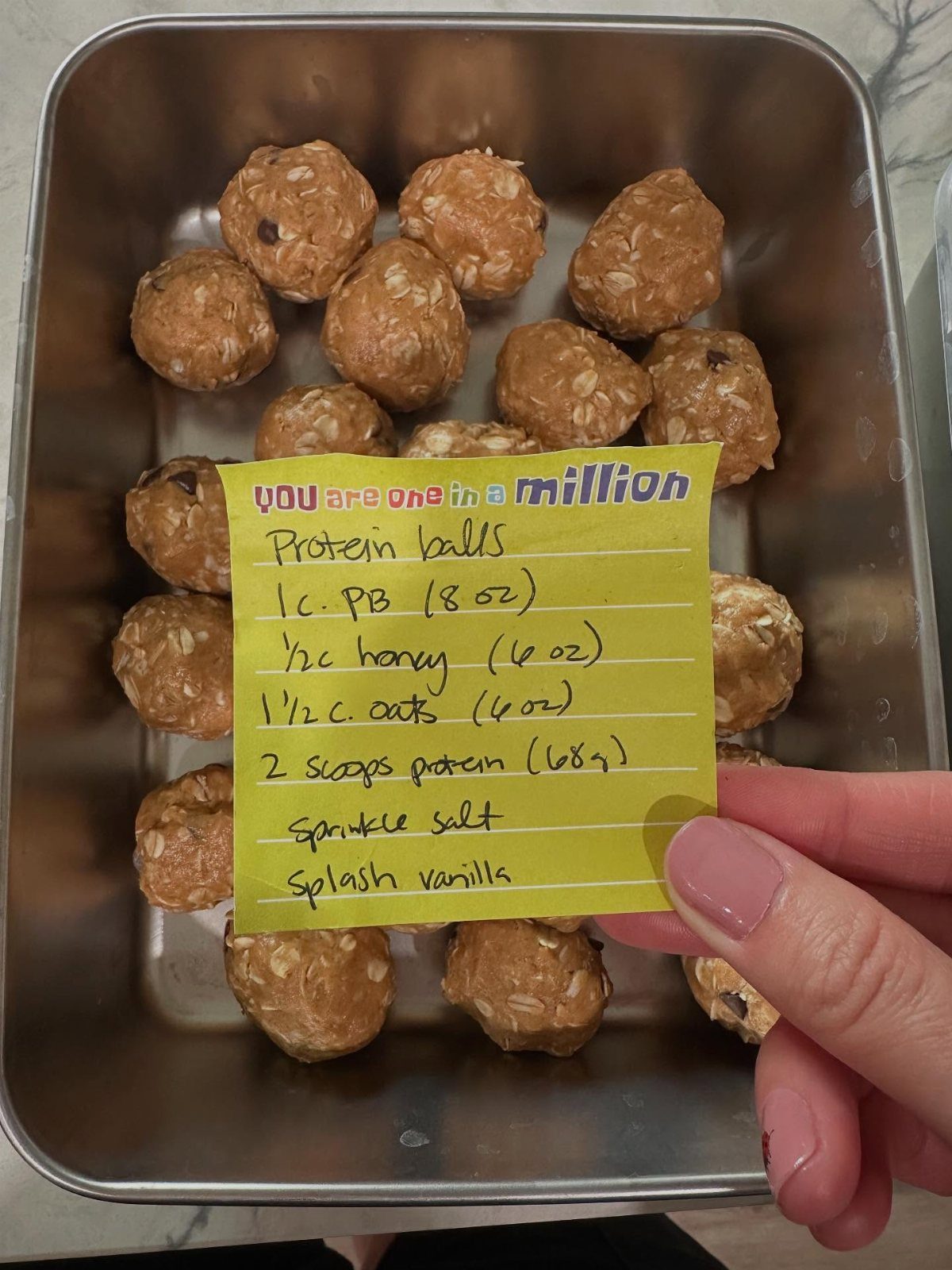
Rolled oats hold energy balls together, and rolling them by hand is a job kids like to help with. A batch keeps a week of snacks ready, so mornings need no cooking.
I like a tight-lidded metal container for transport, with a small note tucked on top. Nobody forgets a snack that says something kind.
Swap any nut butter for seed butter if the school is nut-free.
9. Peanut Butter Popsicles
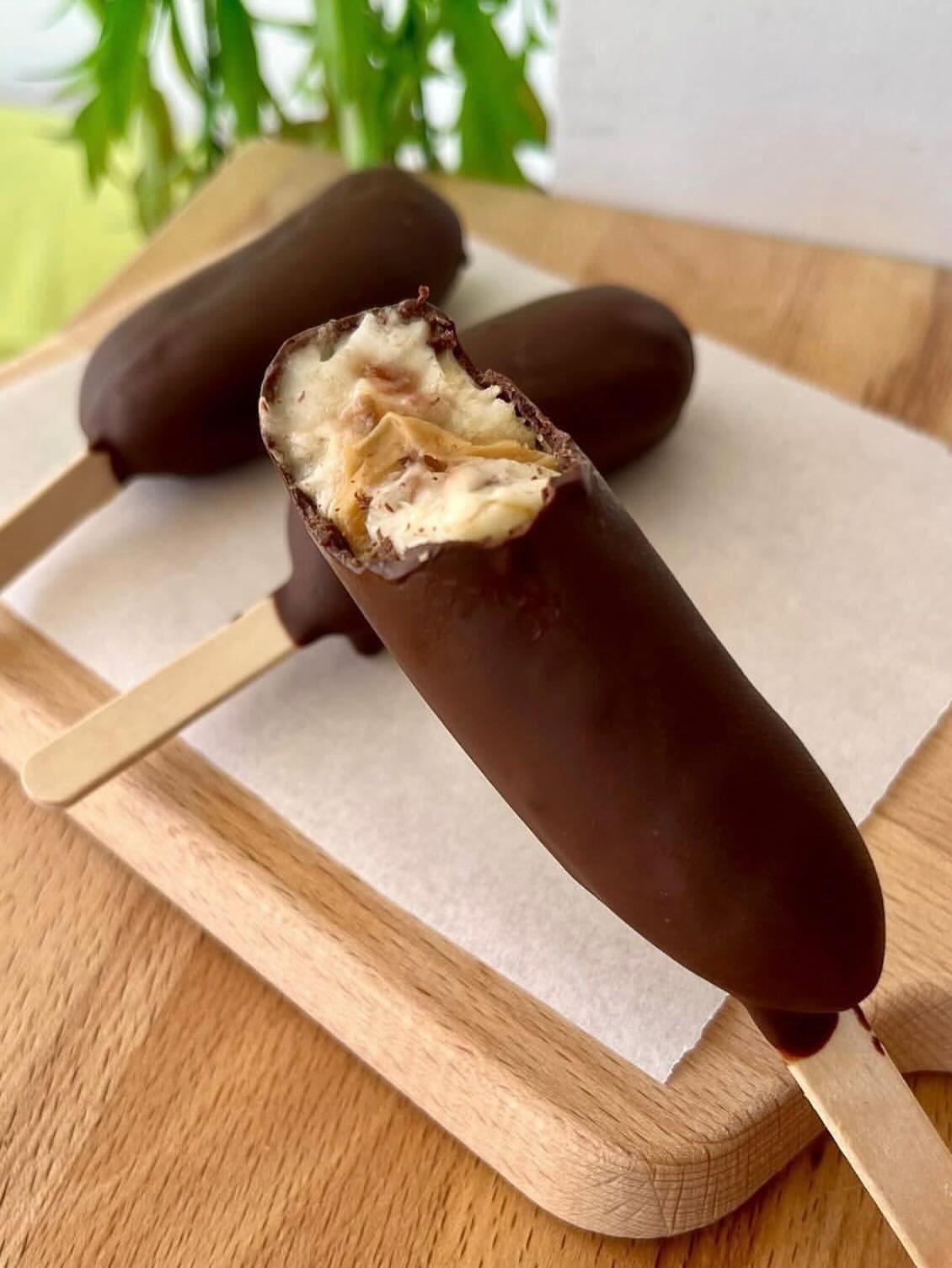
A peanut butter center under a chocolate shell makes a frozen pop that feels like dessert.
Freeze them solid before dipping or wrapping.
Since they thaw by lunchtime, I would serve these at home or after school rather than pack them. Peanut butter rules them out at nut-free schools.
10. Frozen Yogurt Dipped Bananas
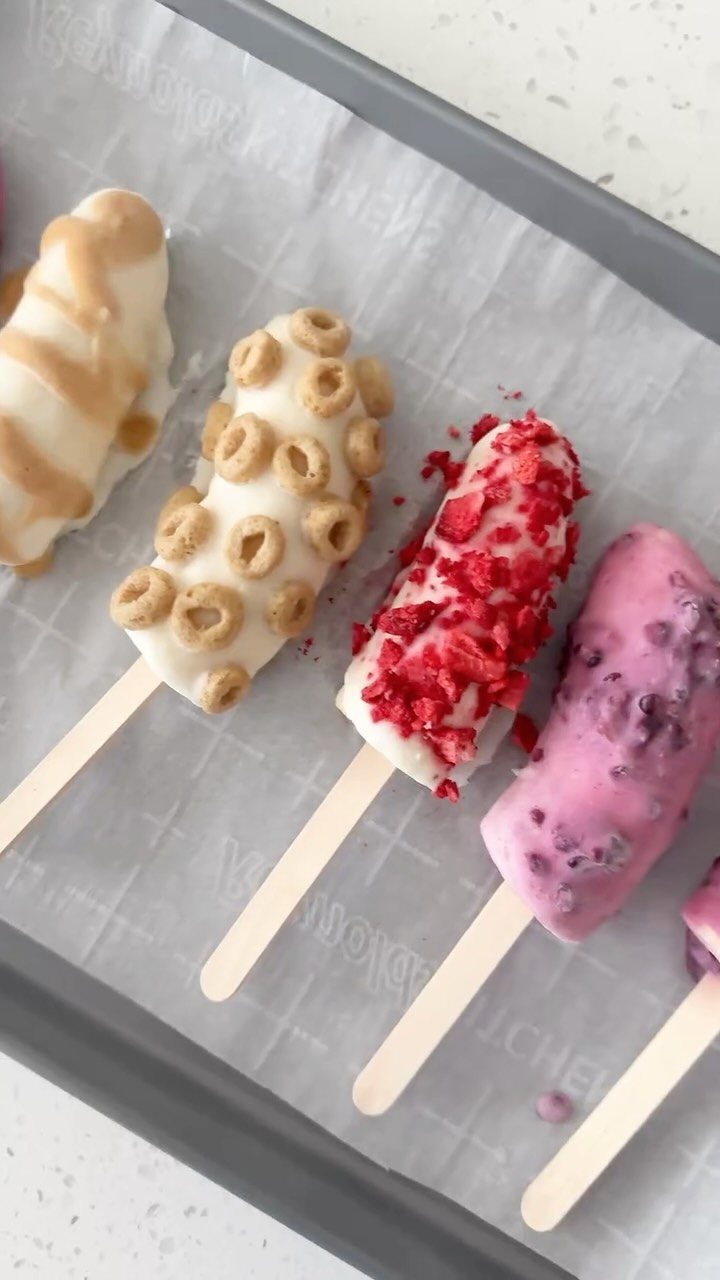
Yogurt coating turns a plain banana into a frozen pop, and cereal or berries pressed on while it is wet add crunch. Tinting the yogurt with fruit gives the pink and purple shades, so no dye is needed.
Freeze the banana pieces on a parchment-lined tray for about 2 hours, until the yogurt coating is hard enough to hold when you bite it. I would save these for after school, because they soften quickly in a lunchbox.
11. Chocolate-Dipped Strawberries
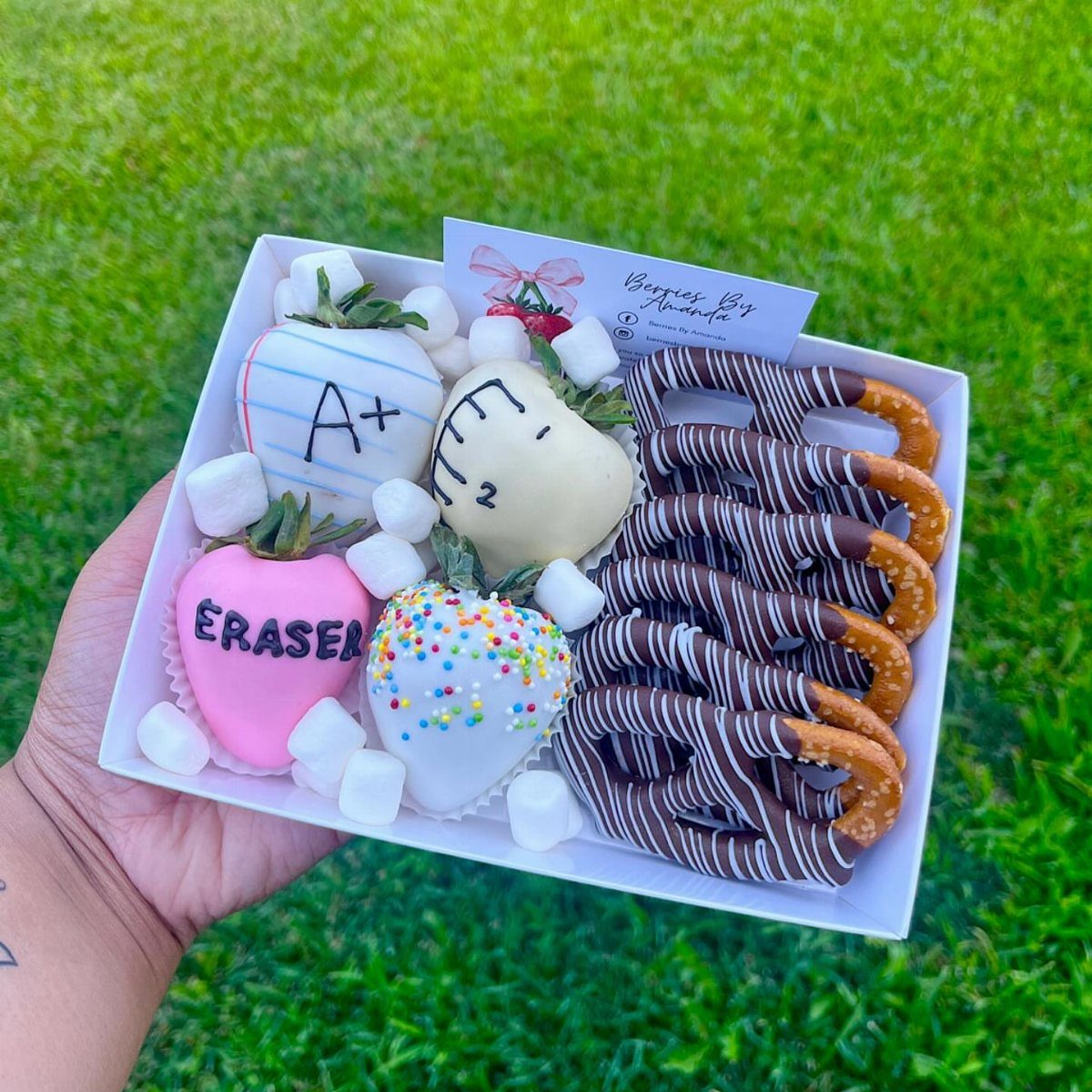
Chocolate-dipped strawberries become a back-to-school gift when you decorate them like a notebook, with "A+" and an "ERASER" in icing. Pretzels dipped the same way fill out the box.
Dry the berries completely before dipping, or the chocolate slides off. Make them the day of the event, since they are a treat for teacher gifts or parties more than a daily snack.
12. Cut-Up Fruit with Yogurt Dip
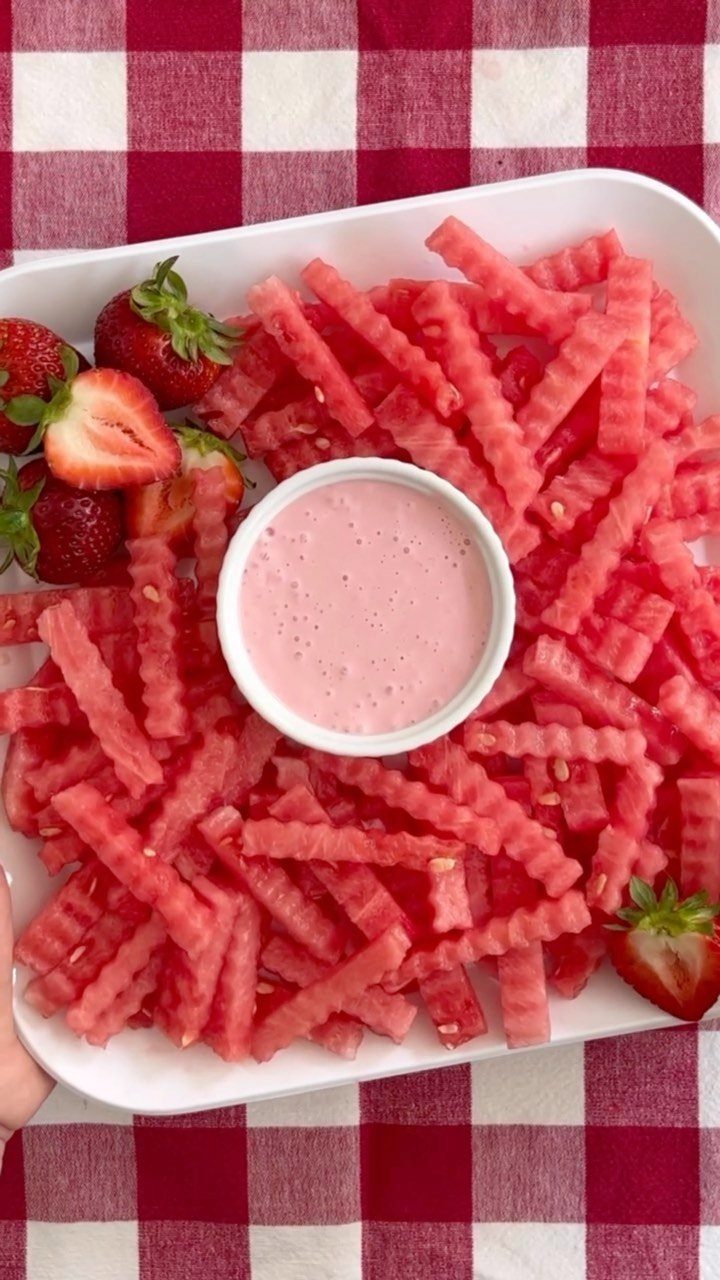
Crinkle-cut watermelon sticks and whole strawberries are easy for small hands, and a bowl of pink yogurt dip gives them something to dunk. Plain yogurt blended with a few strawberries makes that color naturally.
A small cup with a snap-on lid holds the dip fine, and a frozen gel pack beside it keeps everything cool until lunch. Cut the watermelon the night before and drain it on a paper towel.
13. Popcorn
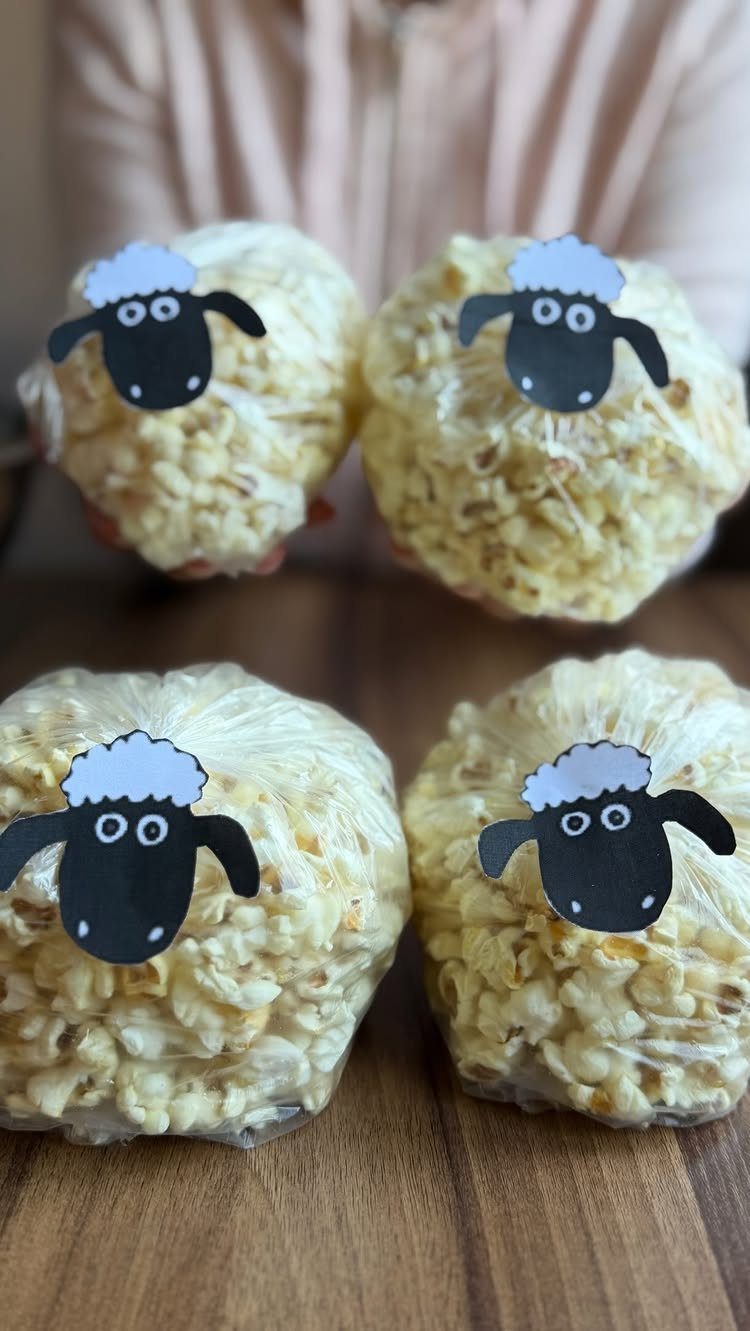
A small bag brings fiber and whole grain crunch without much fuss.
Pack it plain and skip the heavy butter, which turns the bag greasy and the snack heavier. Fold the top over and tape on the face the night before.
14. Ants on a Log
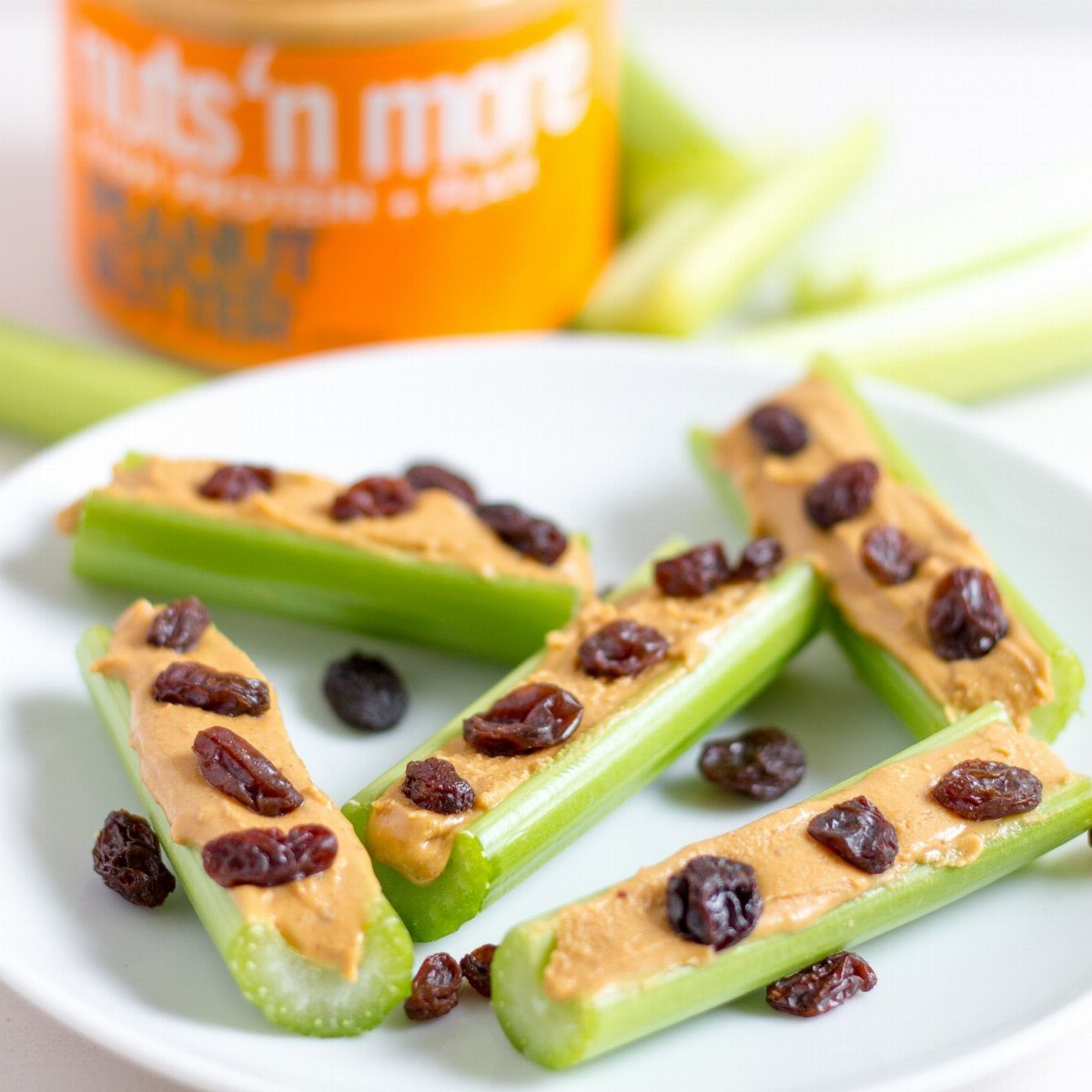
Ants on a log hands the kid the final step, which is why it works as an interactive snack. Celery is the log, peanut butter is the glue, and raisins are the ants.
I would pack the celery sticks, a small cup of peanut butter and a bag of raisins separately, and let your kid assemble at the table.
15. Mini Caprese Skewers
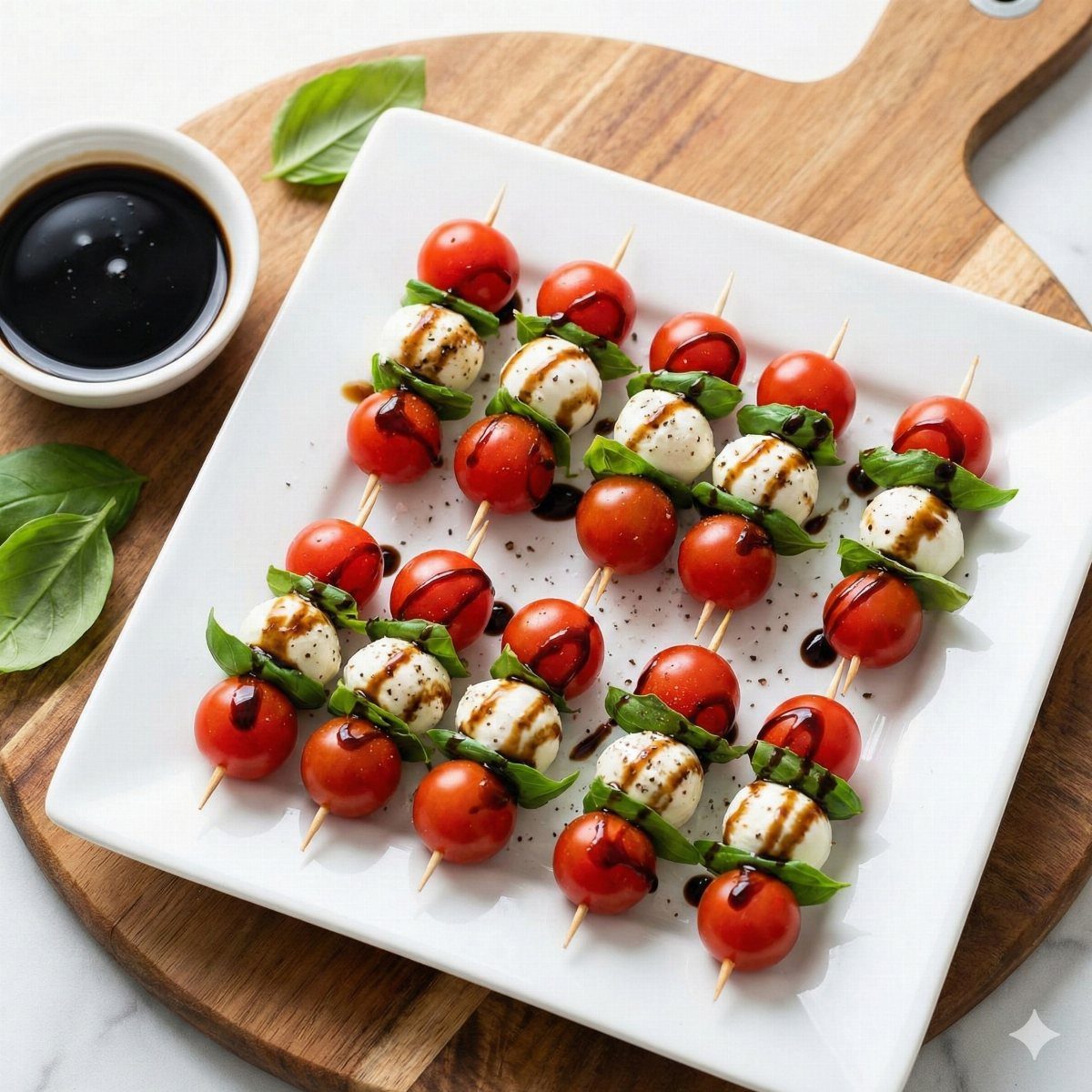
Cherry tomato, mozzarella ball and basil leaf on one skewer is a savory snack that tastes fresh and needs no cooking. A drizzle of balsamic glaze finishes it.
Keep the glaze in a small cup on the side so the skewers stay tidy and the basil does not go limp.
16. Fruit Race Cars
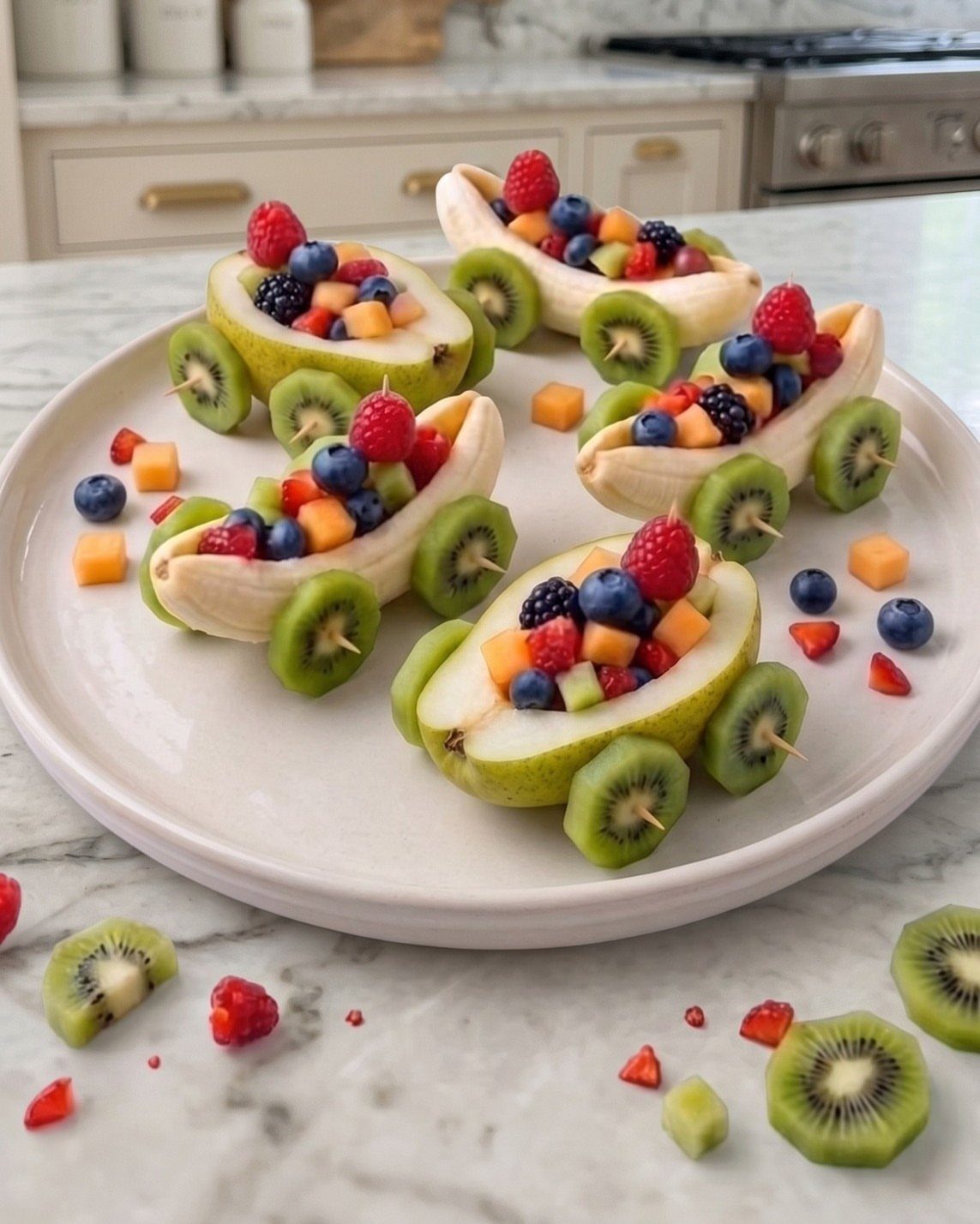
Banana or pear halves make the car bodies, kiwi slices on toothpicks make the wheels, and a grape or berry sits in the driver’s seat. Picky eaters tend to eat a car they built.
I would make these at home rather than pack them, because bananas brown and the toothpicks are a hazard for small kids. Press them in only when the car is about to be eaten, and supervise younger children.
17. Chocolate Covered Banana Bites
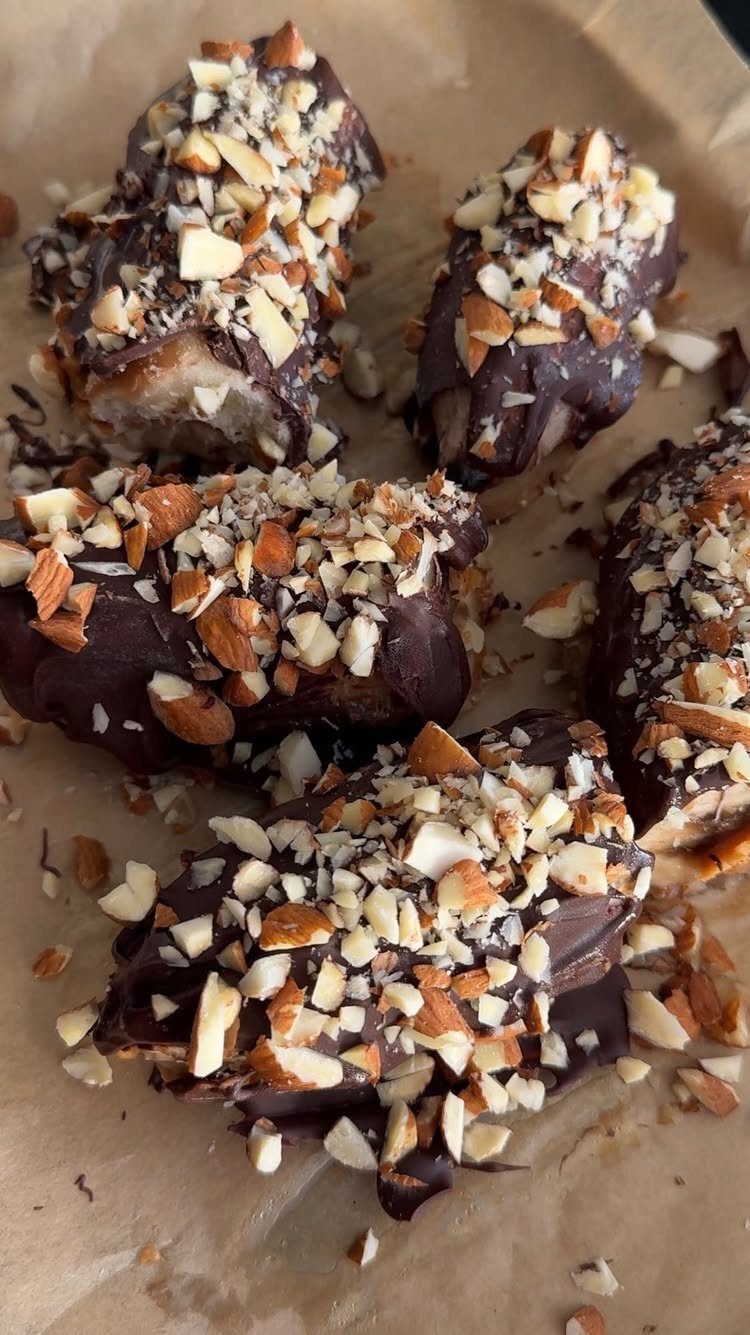
Dark chocolate on a banana slice, with crushed almonds pressed on while it is wet, makes a snack that feels like candy. Coarse sea salt is another finish if nuts are not allowed.
Lay the slices on parchment and freeze them for 30–60 minutes, as the maker of this version suggests.
18. Dried Apple Rings
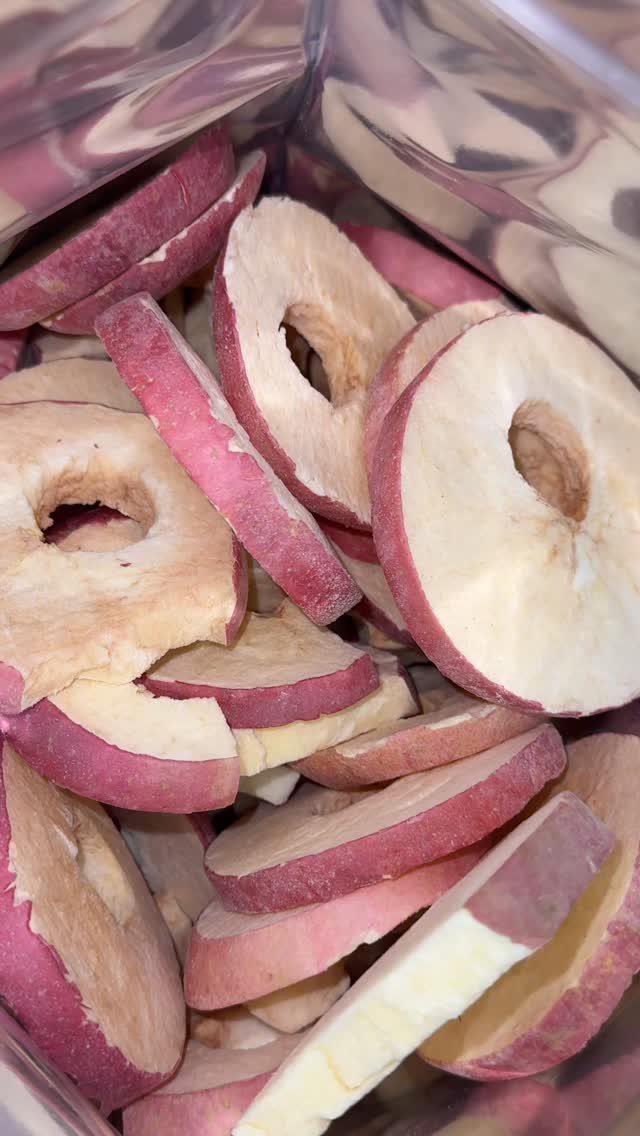
They’re chewy, sweet and need no prep once bagged. A clear snack bag keeps a serving of rings together in a backpack.
Red-skinned apples leave color at the edge of each ring, which kids tend to like. Pack a small bag and tuck it beside a sandwich, with no cold pack required.
19. Chocolate Drizzled Apple Slices
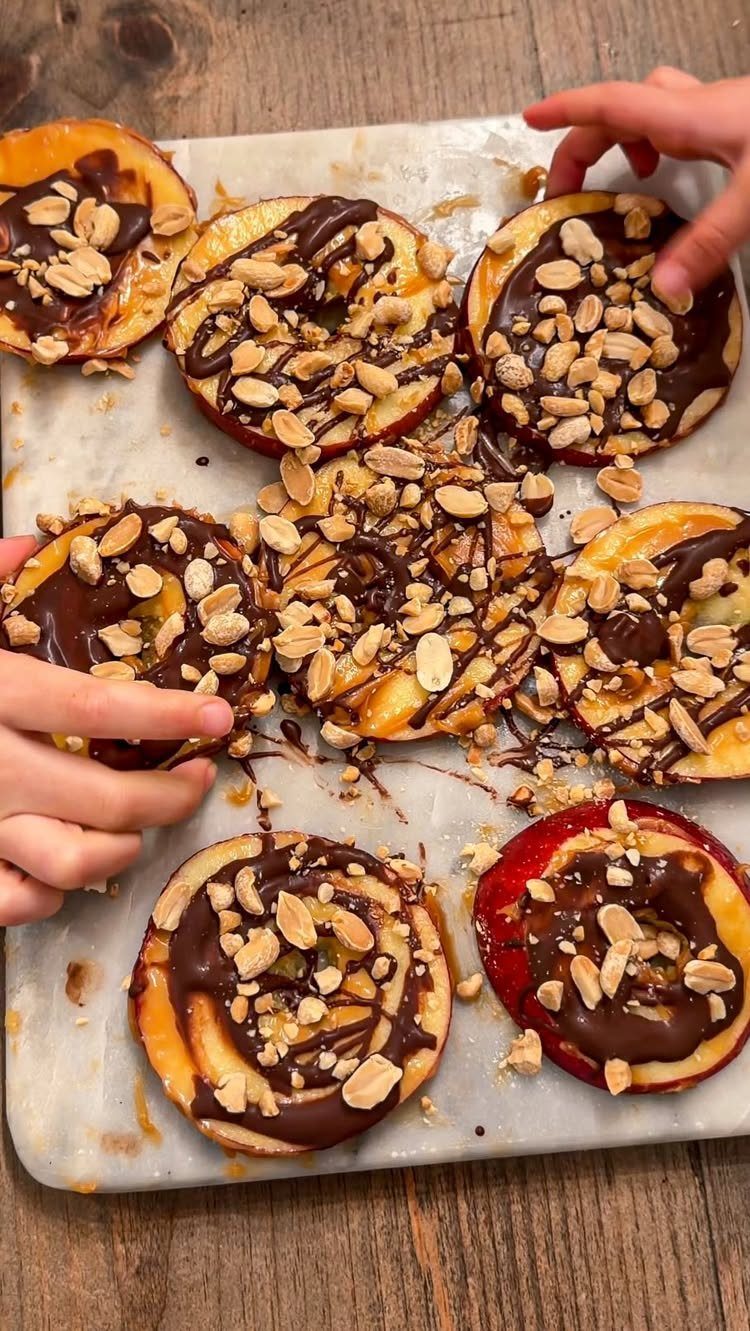
Melted chocolate drizzled over apple slices, with crushed peanuts scattered on top, tastes like a candy apple without the stick. Lay the slices on parchment so the chocolate sets without sticking.
Dry the slices well first, or the chocolate slips off. Kids like helping with the drizzle and the sprinkling.
I would make these at home or for an after-school plate.
20. Orange Peel Fruit Cups
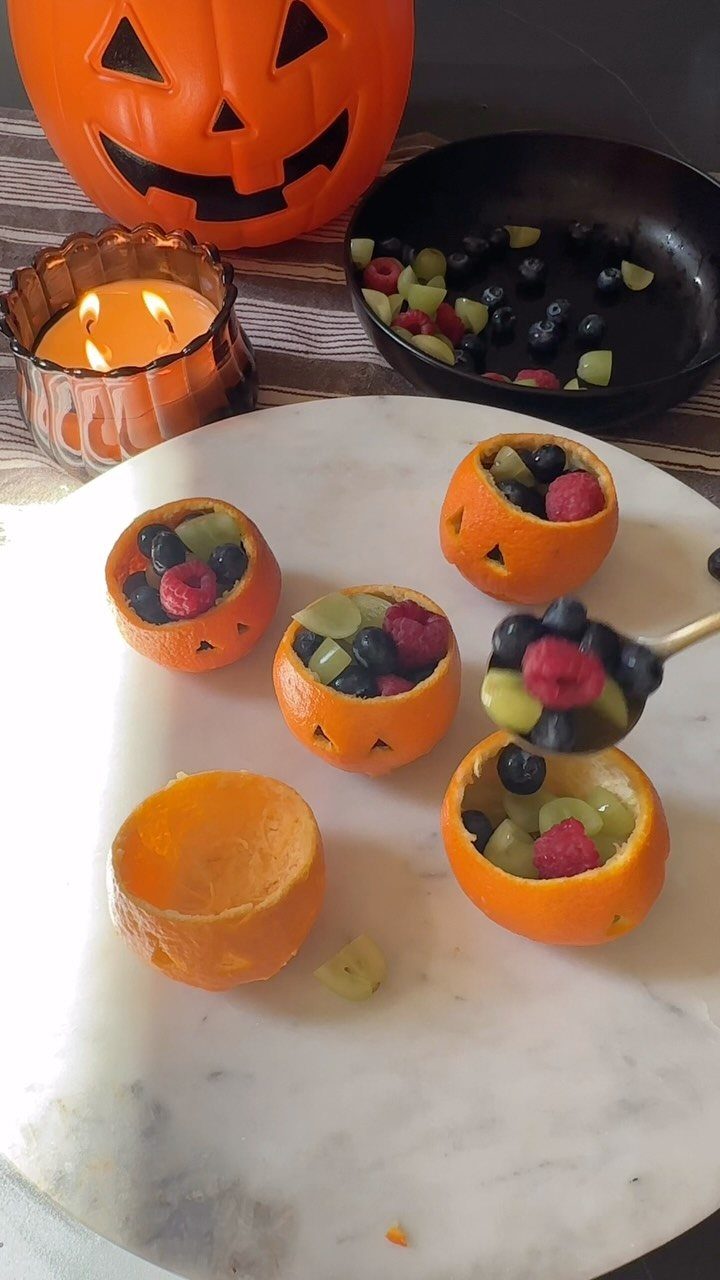
Hollowed-out orange halves make a bowl you can eat from, and a carved face turns plain fruit into a jack-o’-lantern. Berries and grapes fill them well, and the peel keeps everything in place.
Scoop the orange out carefully so the shell stays whole, then cut the face with a small paring knife. That carving is a job for an adult.
I like these for a fall class party, where each kid gets a cup of their own.
21. Crackers and Berries Bento Box
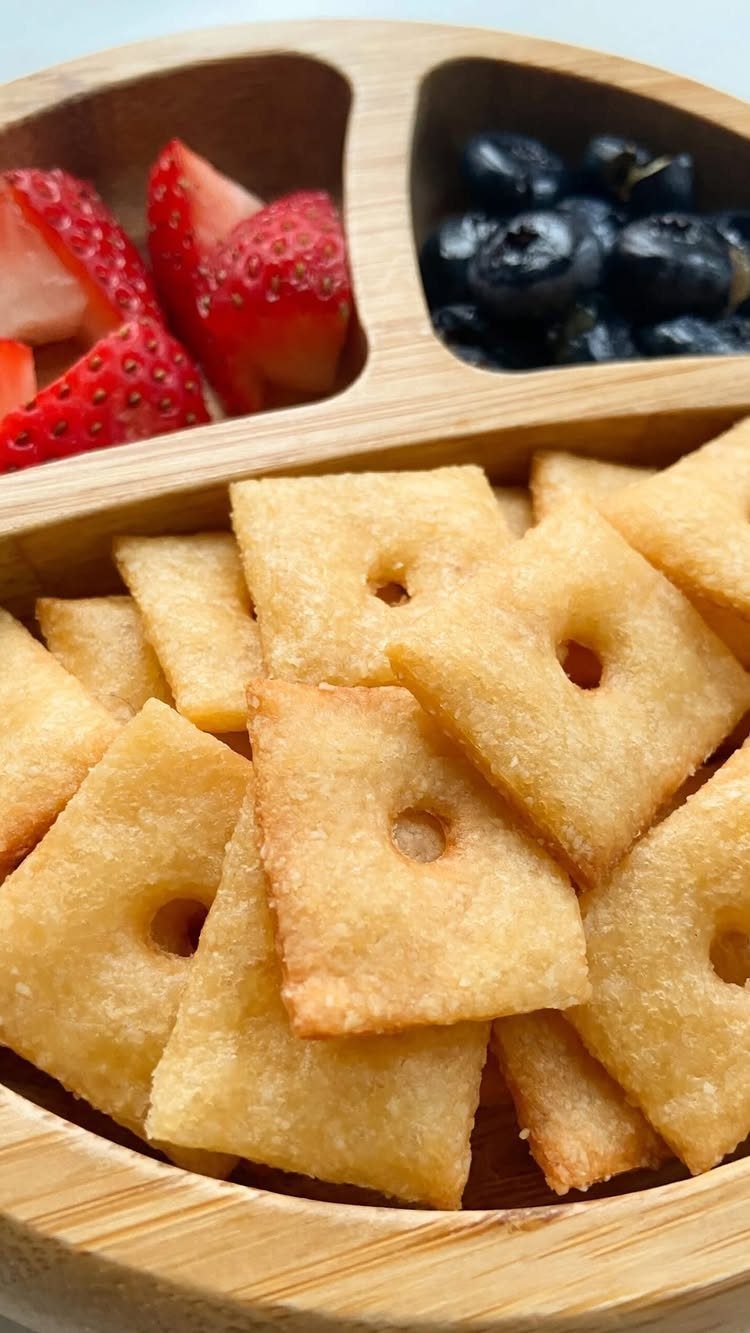
A divided box does half the work in this snack: crackers in one section, sliced strawberries and whole blueberries in another, so nothing turns soggy.
Crackers with a hole in the center are a small touch that kids enjoy. Slice the strawberries the morning of, and keep the berries in their own compartment so the juice stays off the crackers.
Nothing here needs a stove, so the box comes together on the counter while the lunch bags are still open.
Importance of Nutritious Snacks
Refined sugar hits fast and fades faster, and the dip afterward often looks like a cranky, sleepy kid who can’t concentrate in class. Whole foods release glucose more slowly, and steady glucose is what memory and attention run on.
Look for snacks that pair fiber with protein or healthy fat. An apple alone fades faster than an apple with a protein partner, and crackers alone fade faster than crackers with cheese.
Habits matter too. Kids who see fruit, vegetables and whole grains early are more likely to choose them as adults, and they do better when those foods are presented as tasty rather than "mandatory."
Skip the lecture and let them pick between 2 good options.
According to recent studies, students who eat breakfast show improved cognitive function, attention, and memory.
Portion Control
Kids need far fewer calories than adults.
Calorie needs differ a lot by age: most adults land between 2,000 and 2,400 calories daily, while kids under 13 usually need only 1,000–1,600. A snack that looks small to you can be a real share of their day.
A small container sets the limit without a conversation.
Keep the contents balanced: something with fiber, something with protein, and ingredients you can name. The same thinking applies to lunch and to dinner at home, so a snack doesn’t have to carry the whole load.
Navigating Allergies
Read your school’s policy before you shop.
Check the label on every packaged item. Sunflower seed butter or a soy-based spread spreads just as creamy, and it keeps nuts out of the lunchbox.
Some schools also cap added sugar and sodium, so read those lines on the label too.
My quick test for any packaged snack is the ingredient list: if the first item is a whole grain, a fruit or a vegetable, it passes.
For birthdays and holidays, skip the food. Stickers, decorative pencils or extra recess time let you celebrate without working around a long list of dietary restrictions.
Frequently Asked Questions
What are good snacks to pack for school?
Yogurt parfaits, veggie sticks with hummus and fruit kabobs travel well. Keep the granola sealed in a separate bag until lunch, since moisture ruins the crunch, and spoon the hummus into a small lidded cup so it can’t leak.
A divided box keeps wet and dry items apart, which matters more than the snack itself.
What are healthy snacks?
A snack holds a kid longer when fiber travels with protein or fat, like apple slices with peanut or sunflower seed butter, cheese on whole grain crackers, or a trail mix built mostly on cereal, pretzels and nuts.
Refined sugar fades fast and can leave a kid tired and unfocused.
What are some easy snack recipes I can make?
Energy balls and mini egg muffins are easy to make ahead.
Energy balls are rolled oats and nut butter shaped by hand, and a batch covers a week of snacks. Egg muffins keep well in the fridge, so one batch baked on a quiet evening covers several mornings of grab-and-pack.