The ideas run from a quiet Goal Setting Worksheet to a Marshmallow Challenge that leaves sticky tables behind, and the effort climbs with the mess.
What decides your pick is the kind of student in front of you: shy kids and early English learners tend to do best with quiet paper tasks like the Find Someone Who Bingo Card or Desk Compliment Sticky Notes, while a confident group can handle the Marshmallow Challenge.
Under a dollar covers the Chain of Kindness display, so budget rarely settles it.
1. Two Truths and a Lie
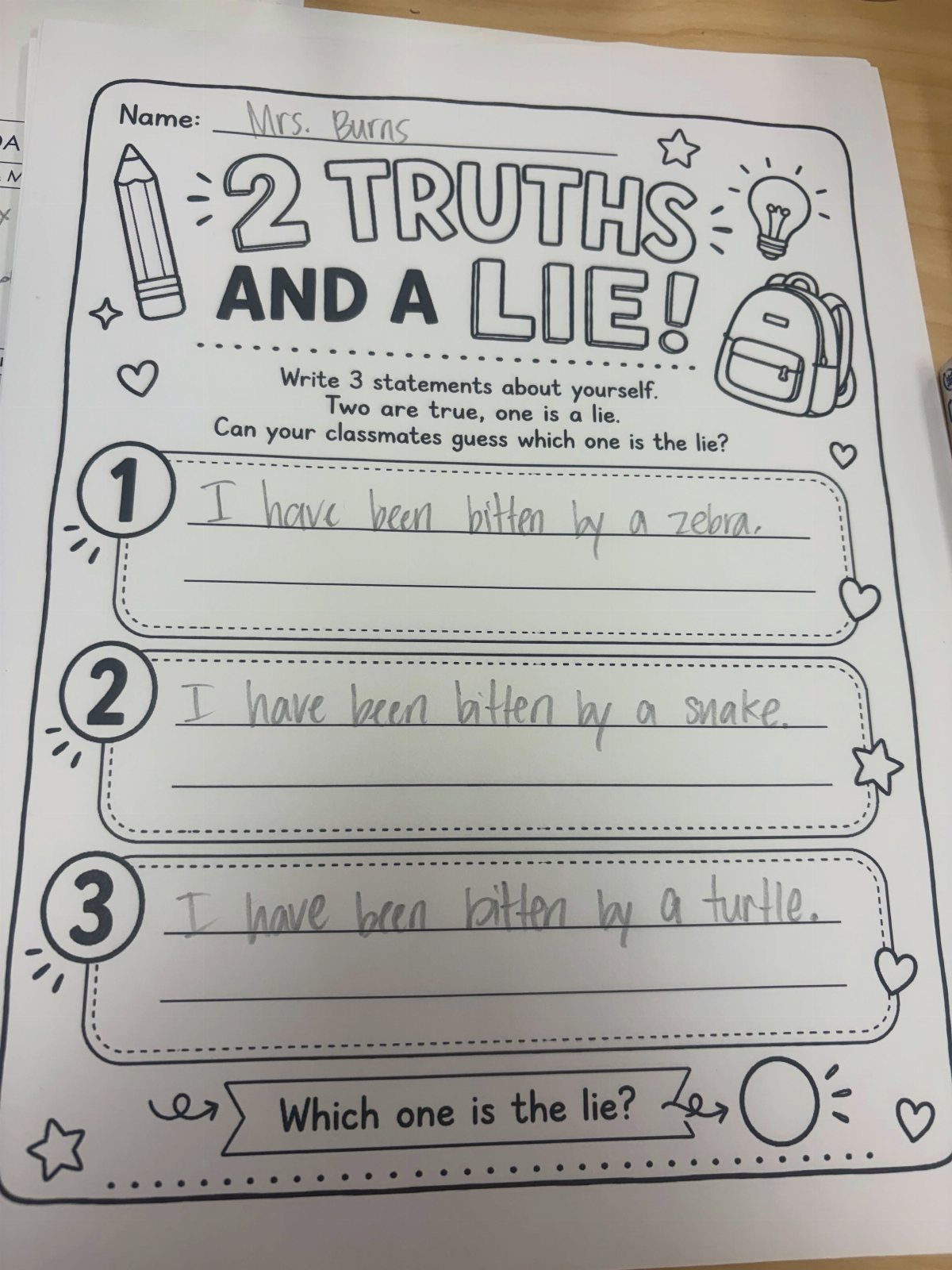
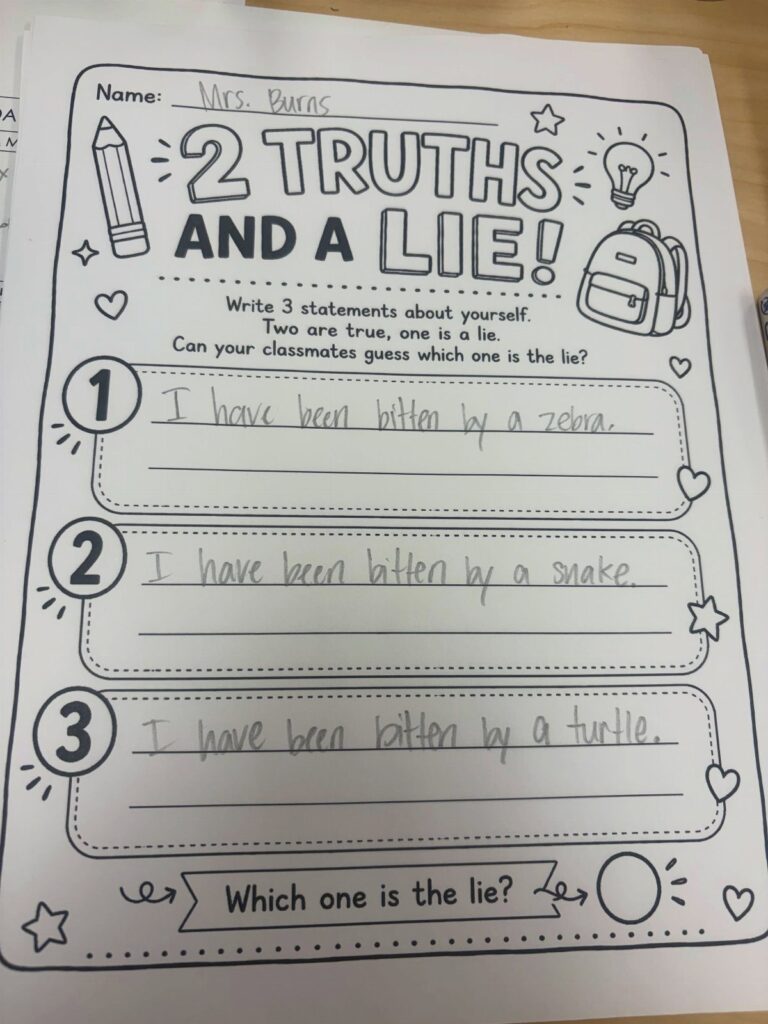
Animal bites make a sharp pair of lies and truths, and a worksheet that gives each student 3 numbered lines keeps the game moving.
Have kids write all 3 statements before anyone shares, so nobody rewrites their lie after hearing a neighbor’s.
The best lie sounds a little boring, and the best truth sounds absurd. Tell students that up front, then model it with your own 3 statements.
Collect the sheets afterward. They double as a quick read on who writes confidently and who needs a nudge.
2. Goal Setting Worksheet
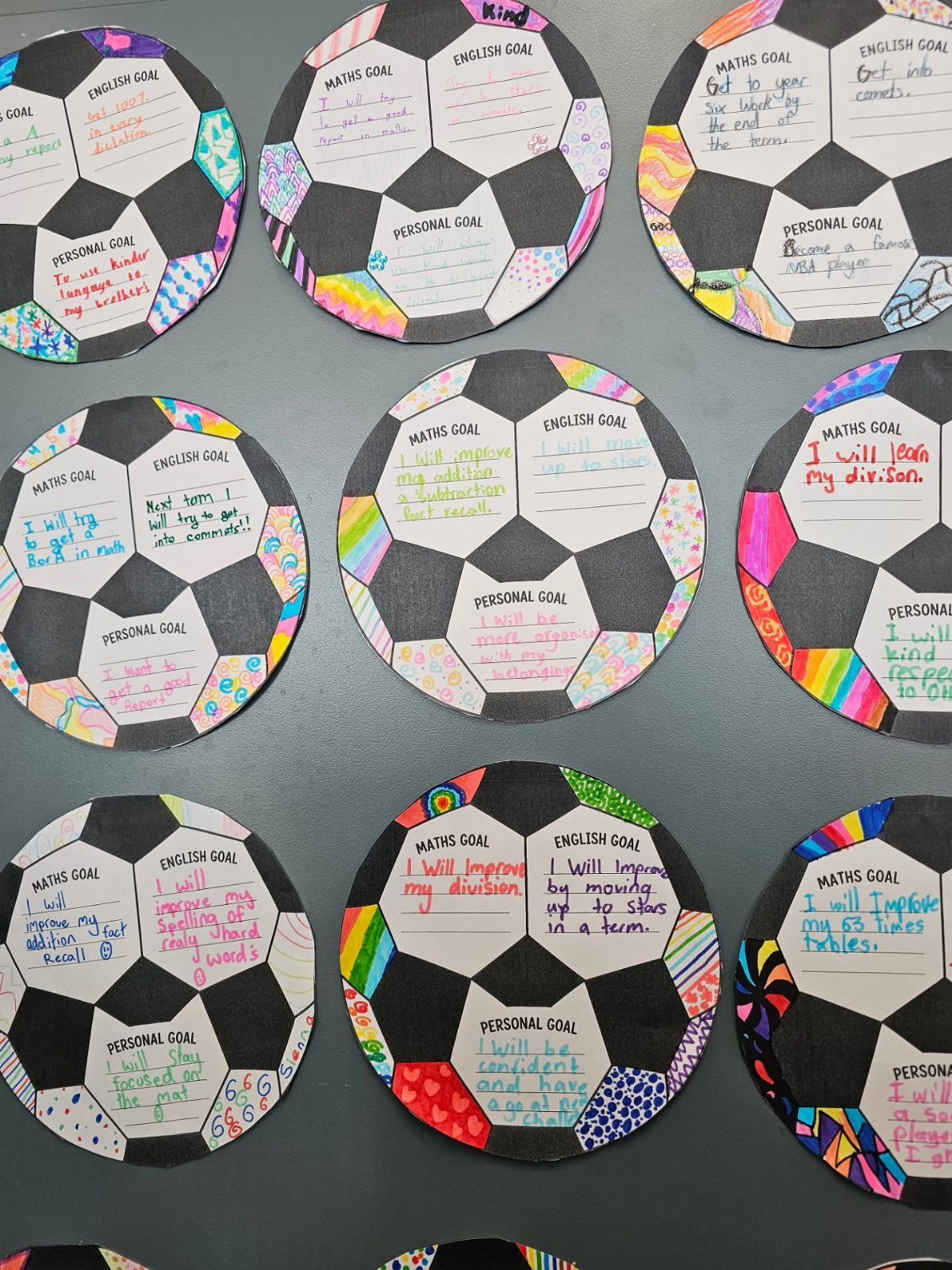
Three boxes, three goals: math, English and one personal. That split is what makes this worksheet work, because a student who freezes on academic goals can still write something about themselves.
Cutting the sheet into a soccer ball shape turns a chore into a craft, and the handwritten goals look good on a wall. Let students color the patterns after writing, so the goal comes first.
I would keep each goal to one sentence. Short goals are easier to revisit in January.
3. Classroom Constitution
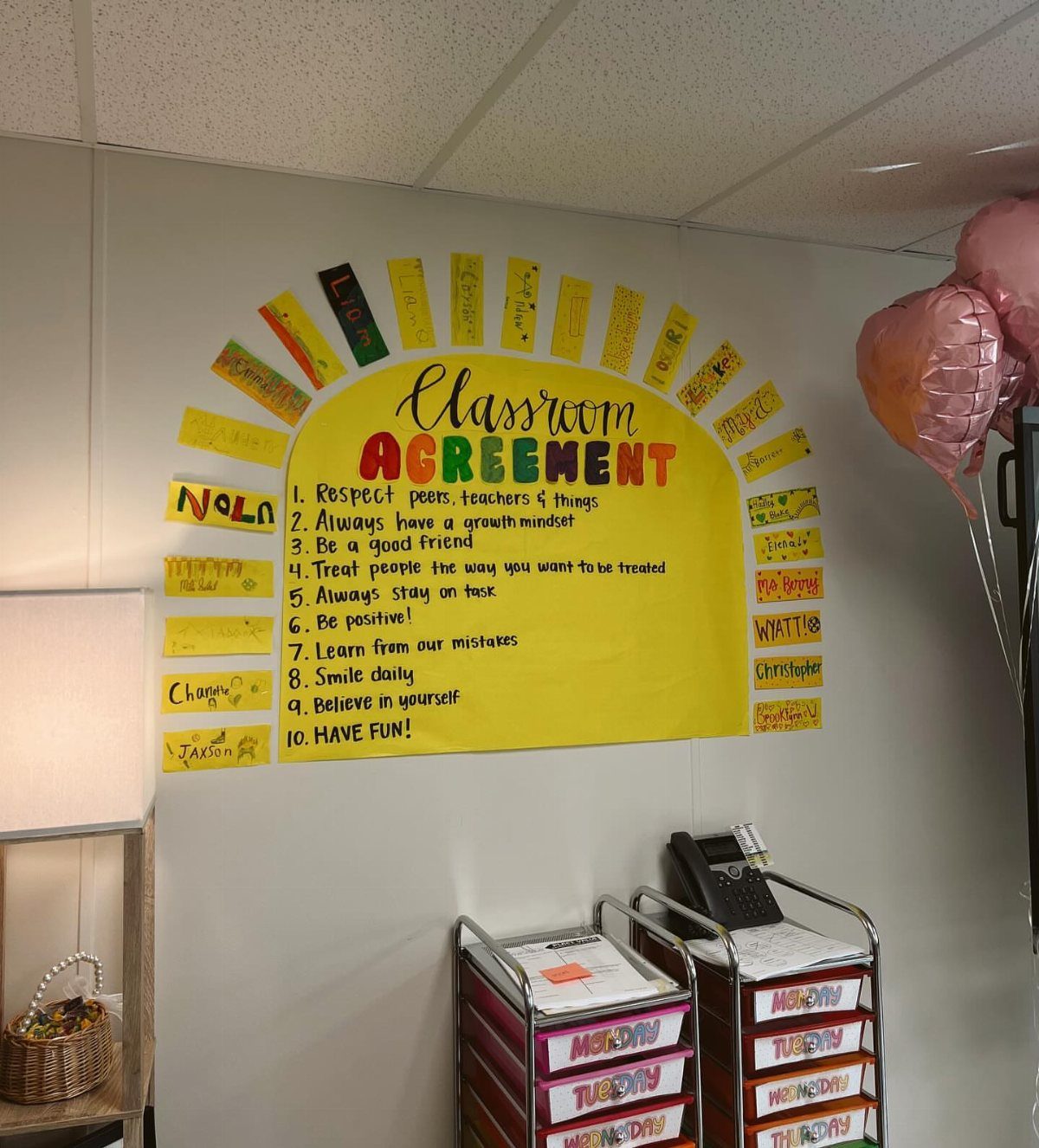
10 rules is plenty, and a poster headed "Classroom Agreement" feels less like a list of orders than a deal. Students sign by adding their names, which is the part that makes them care about it.
Ask the class what they need to learn well, then group their answers into rules. Phrase each one as something to do, not something to avoid.
Hang the poster where everyone can reach it with a marker, so you can point back to it when problems come up.
4. Marshmallow Challenge
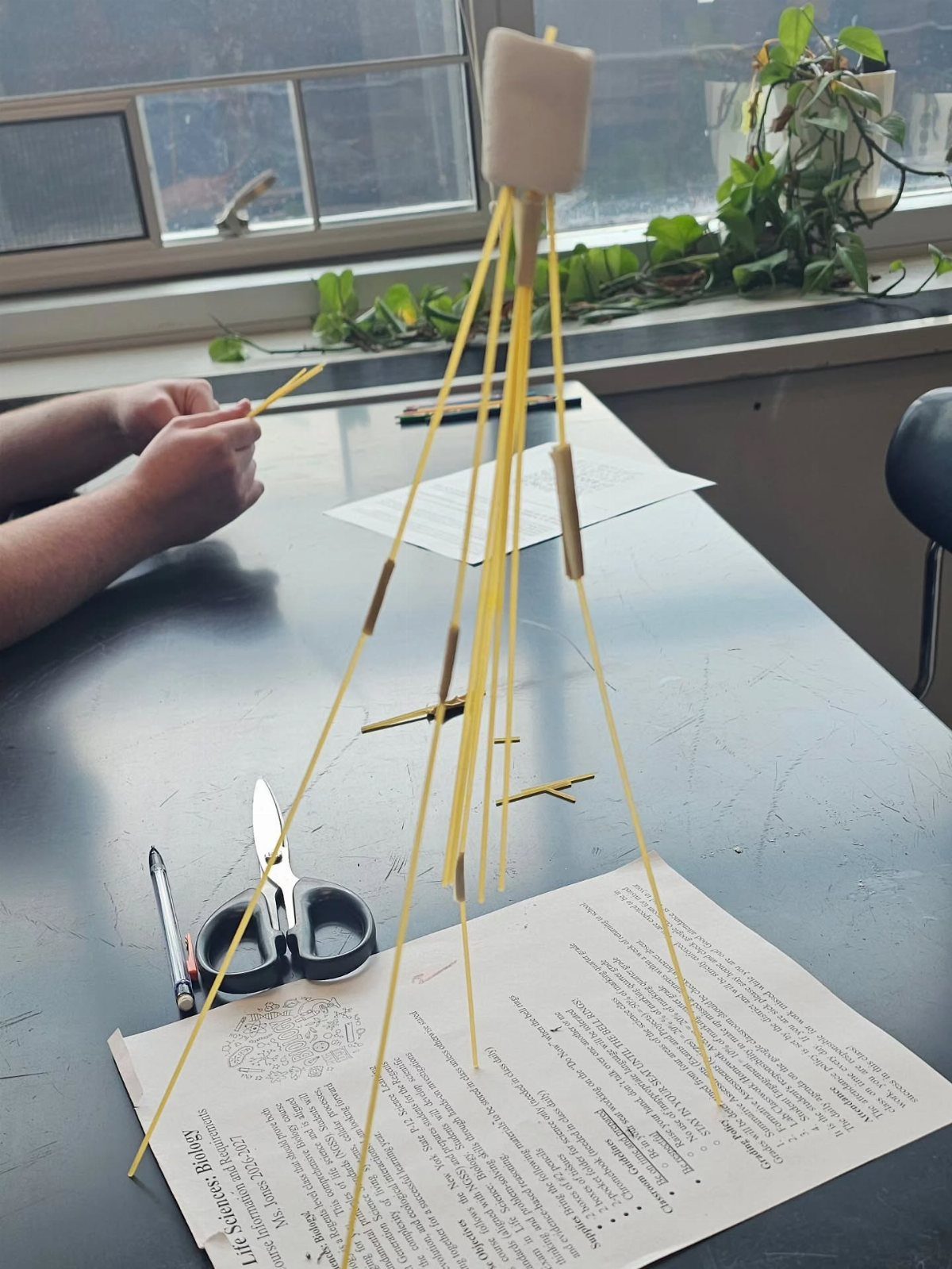
Spaghetti, a marshmallow and a table full of teams: that is the whole setup, and the marshmallow has to sit on top. Because the tower is fragile, kids learn quickly that the first plan rarely holds.
Give each team the same materials, plus scissors if you want them cutting spaghetti, and set a short timer. Print the rules ahead of time so students can refer back to them during the activity.
Plan for crumbs and sticky hands. Wipes at the ready save cleanup time.
5. Find Someone Who Bingo Card
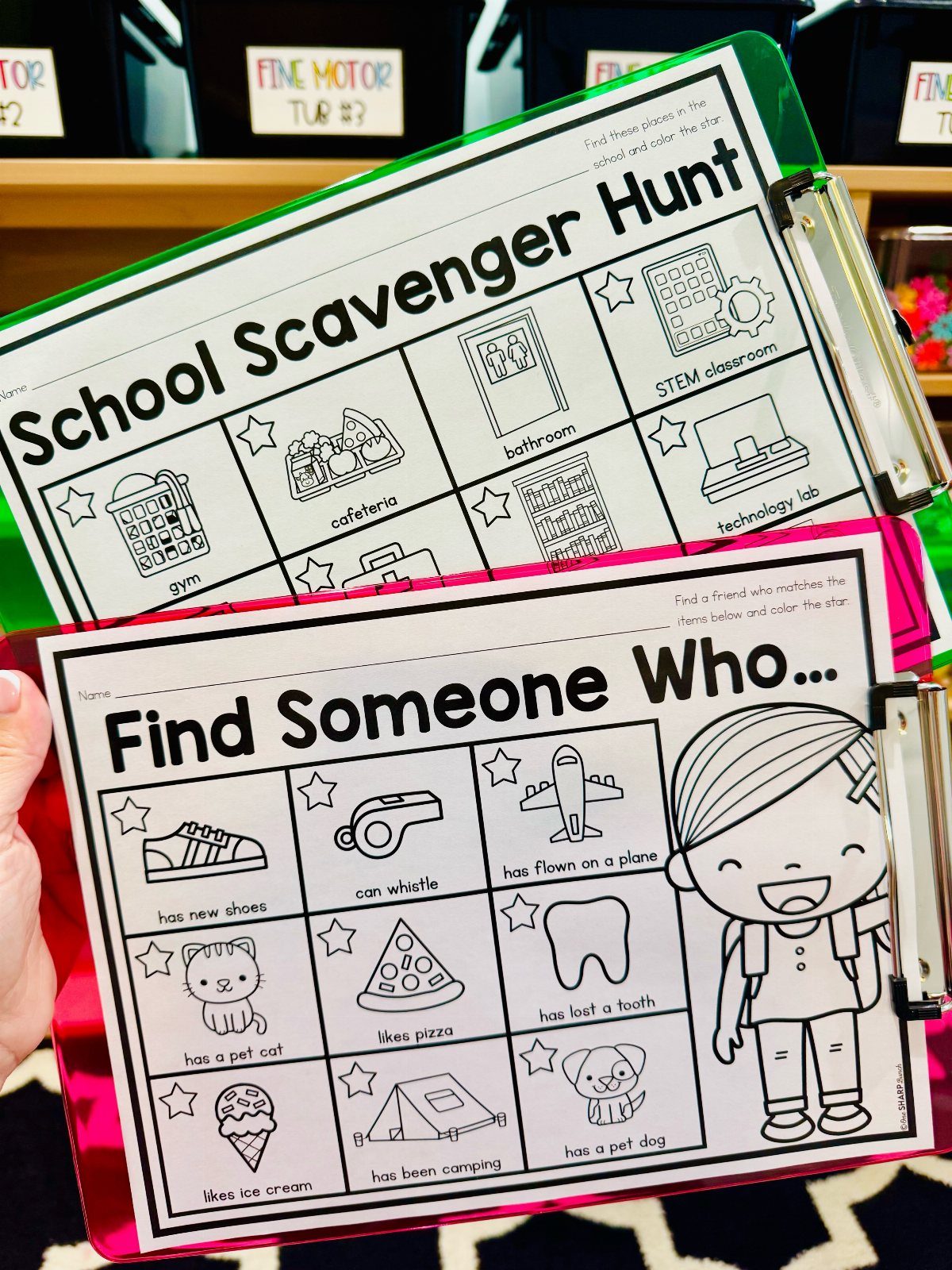
Find Someone Who works best when the squares are things students can answer in a second, like a pet, a favorite food or a summer trip. Icons beside the text help younger readers and kids still learning English.
Put the card on a clipboard so students can walk around and write. I like pairing it with a school scavenger hunt on the back, which gives early finishers something to do.
Require a different name in each square. That forces kids to talk to more than their friends.
6. Chain of Kindness
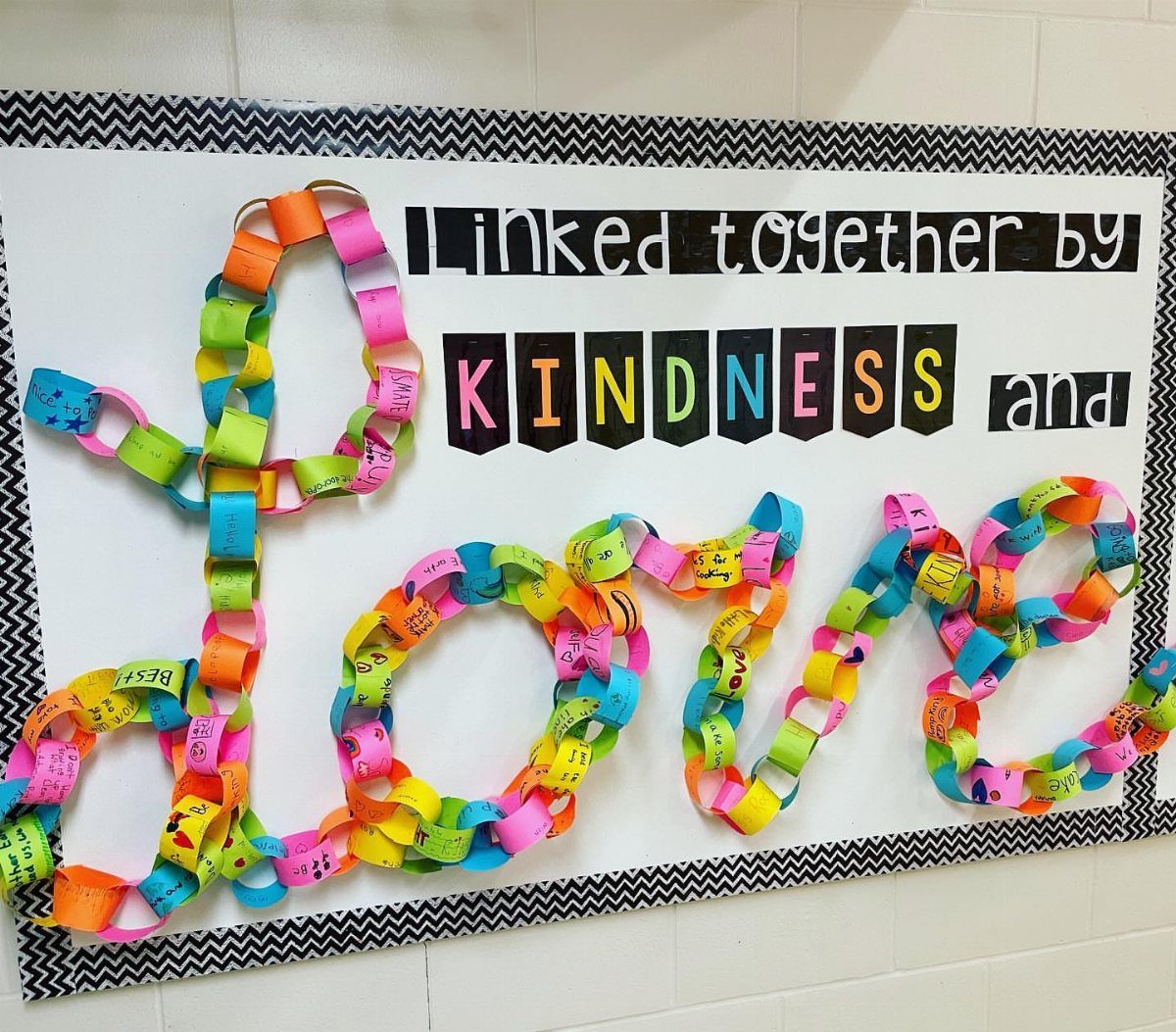
One paper link per kind act turns a bulletin board into a running tally. Students write what they did or saw on a strip, then loop it onto the chain.
Pick one color for each type of kindness, or let the colors be random. A paper border and a short title phrase at the top pull the whole display together for under a dollar.
Start with a few links of your own on day one so the chain is never empty.
7. Meet the Teacher Trivia Game
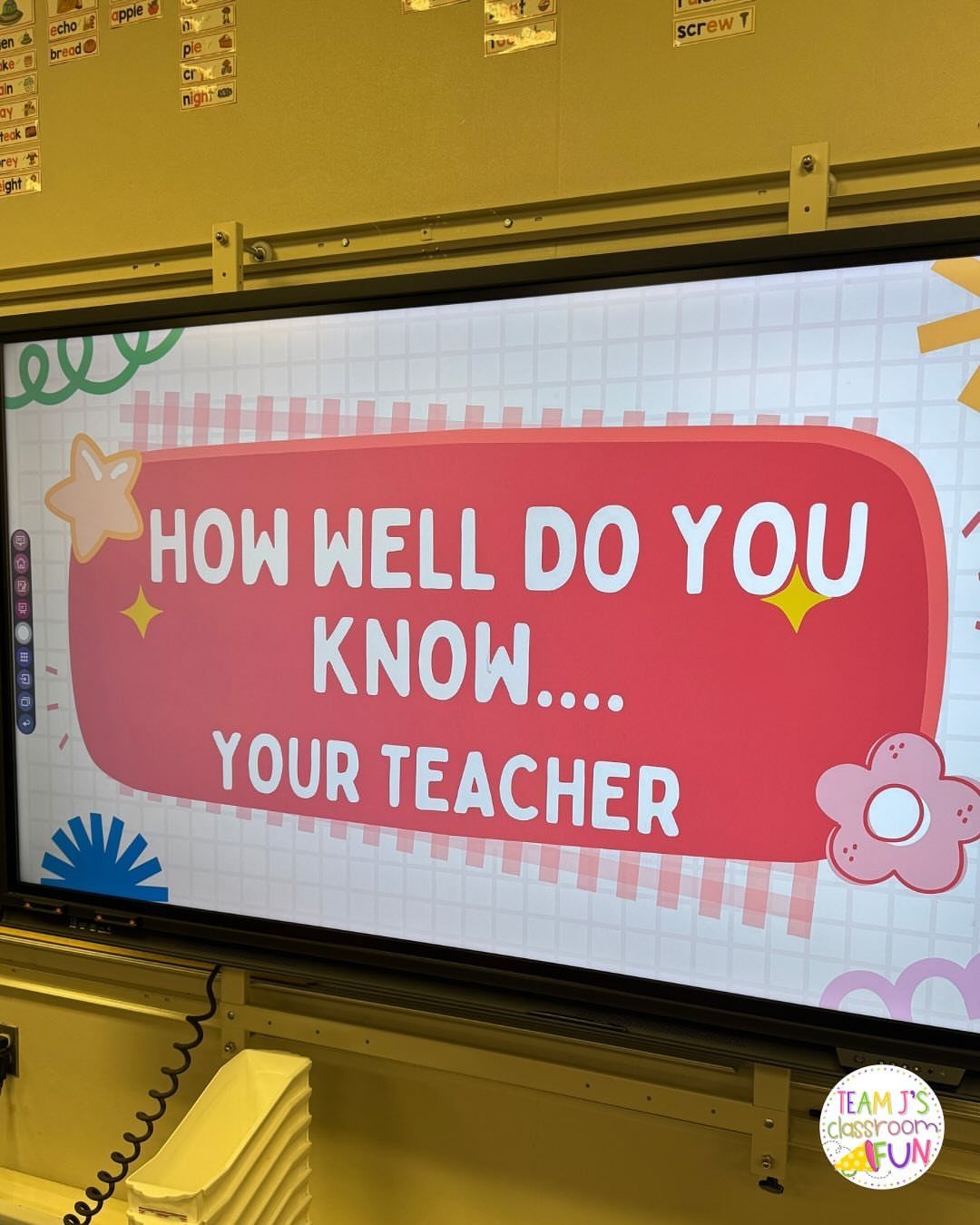
A slide deck that asks "How well do you know your teacher?" lets you introduce yourself without a speech.
Build a slide deck where each slide asks one question about you and offers a few answer choices, and students vote by raising hands or writing a letter on a whiteboard.
Make the answers a mix of silly and real. Kids lean in when one choice is outrageous, and they remember the true answer afterward.
Put the title slide up as students walk in, so the screen is working before the bell. Keep your own quirks in the questions; those are what students ask about later.
8. Desk Compliment Sticky Notes
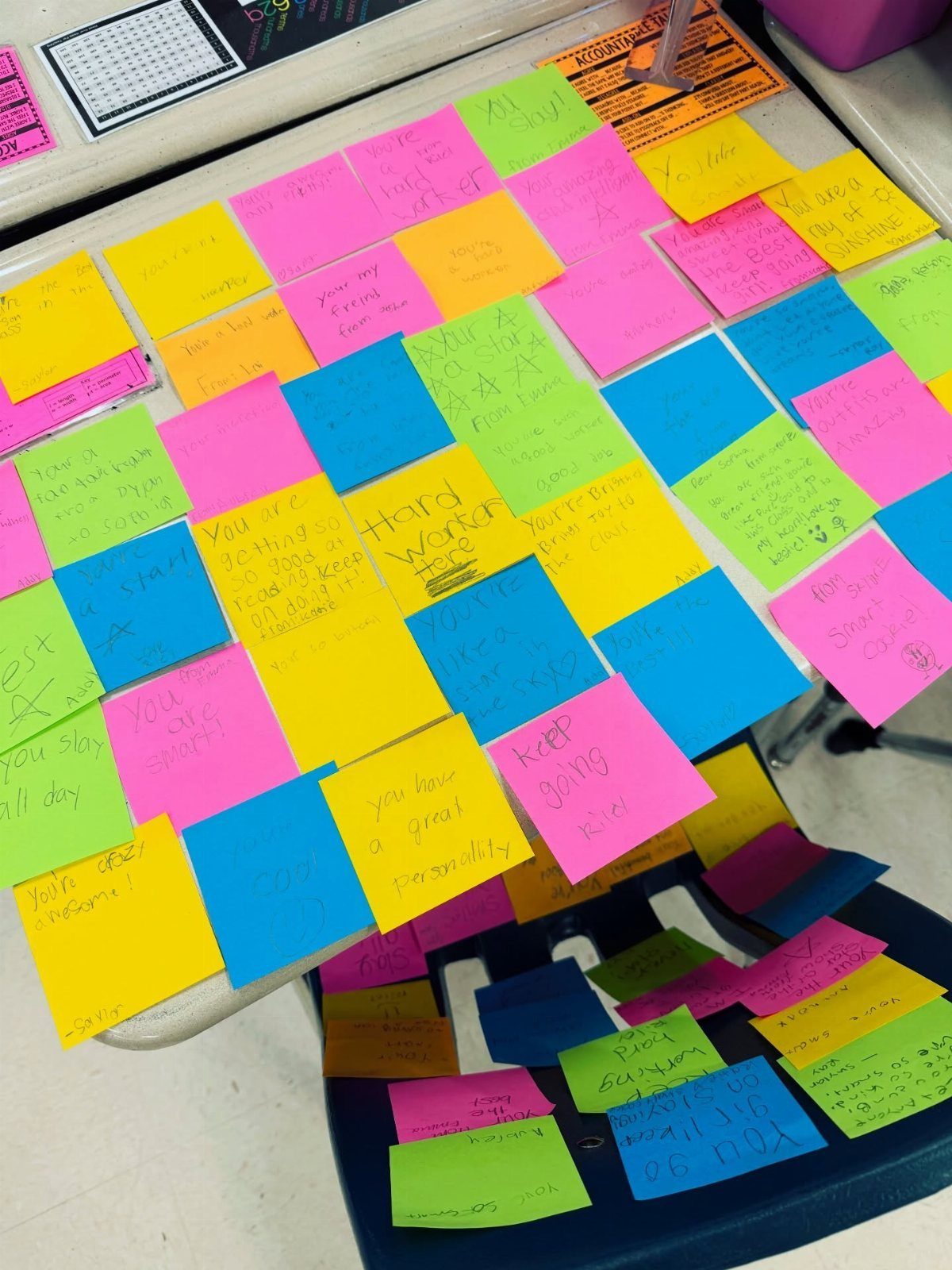
Sticky notes make a compliment visible, and a desk covered in them is hard to ignore. Each note carries one short, handwritten line, such as "You are a good listener" or "Glad you’re here."
Write them yourself before the first bell, or hand each student a pad and let classmates add notes during the day. I prefer the second route, since praise from a peer lands differently than praise from an adult.
Check the stack for the shy kid. Make sure every desk and chair gets at least a few notes, so no one sits down to a bare seat.
9. First Day Feelings Chart
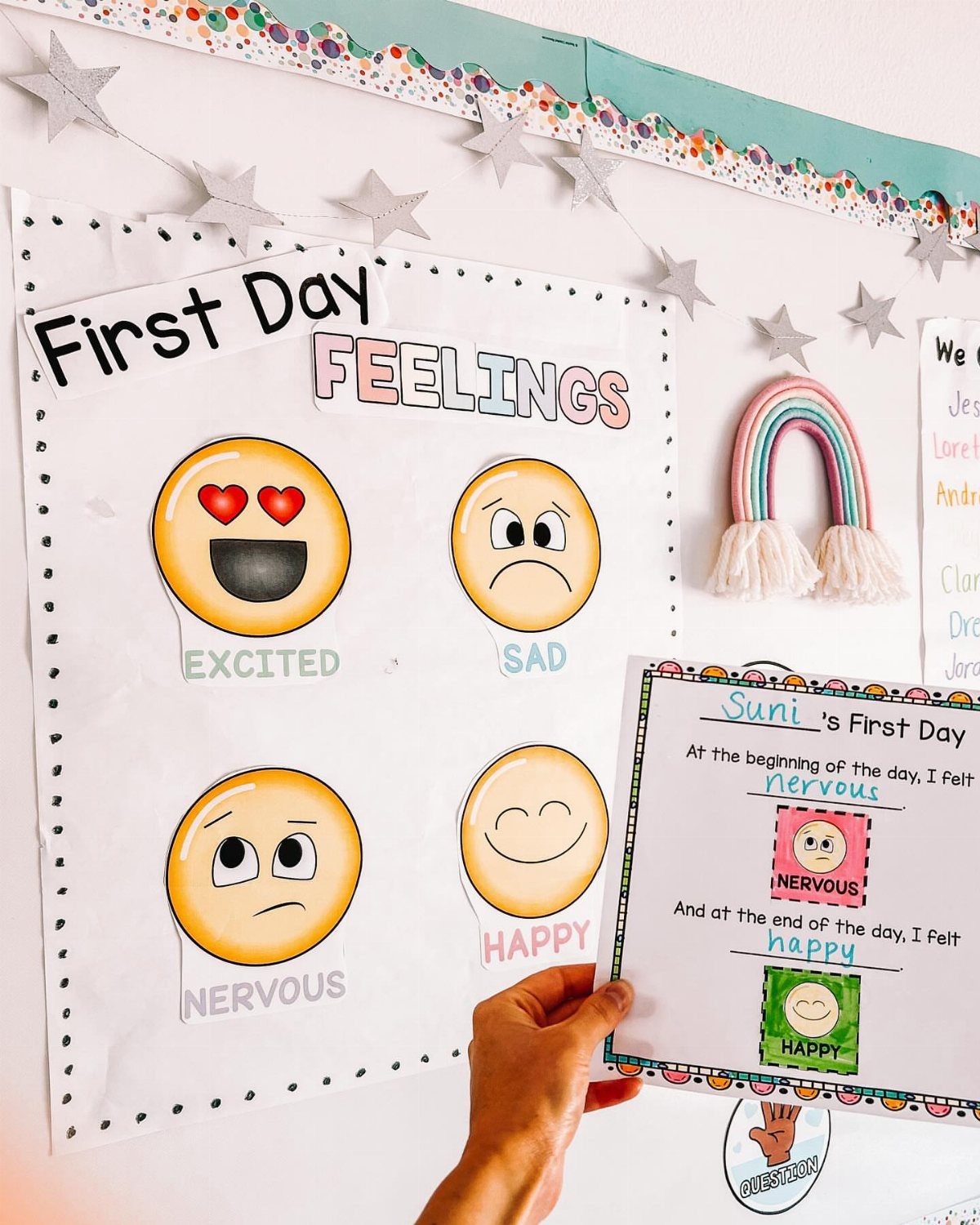
An emoji chart lets students say how the first day feels without finding words for it. Post a wall chart of faces, from happy to nervous to tired, and give each child a matching worksheet with their name on it.
Students circle or place a marker on the face that fits, then add one sentence about why. Nervous answers are normal on day one, so say so out loud before anyone chooses.
Keep the chart up all week and let kids move their markers. Seeing the faces change by Friday tells you something a quiz never will.
Importance of First Impressions
Students walk in on day one reading the room for signals: is this teacher calm, is anyone here I know, will I look foolish?
Students walk in wondering who you are, whether they belong and what the year will ask of them, and your opening activity answers all of it before any lesson starts.
Greet kids at the door by name if you have a roster. A short, low-stakes task waiting at each desk gives nervous students something to do with their hands and eases the anxiety that builds in a silent room.
Pick activities where every child can succeed in under a minute. Early wins make connecting with classmates feel safe, and that sets the tone better than any speech about expectations.
Building Classroom Community
Belonging starts with students seeing that their voices count. Look for moments where they help shape the room instead of just receiving it.
Sharing works best when it is tied to something real in the room.
When you show the classroom library, let each child name the kinds of books they like. That builds connections between students and sparks interest in reading at the same time.
Let students make some choices out loud on day one, even small ones. Ownership of the space is what turns a group of strangers into a class.
Establishing Routines
Resist the urge to sit students down for a long talk on procedures. Spread them across the day, and teach each one right before it is needed.
Teach each routine at the moment it applies, so the packing-up steps and lunch procedure come right before lunch, when students can actually use them.
Info delivered at the moment of use sticks far better than a hour-long list in the first hour.
Two routines I would practice on day one: how you get the class’s attention, and how the whole class sets its rules.
Printable attention-grabbing cards can make the first one fun. Keep the mood positive, and students will treat routines as part of the room instead of a threat.