Which idea fits depends on how your child handles nerves: a kid who needs something to hold wants a stuffed animal that rides in the backpack, while a kid who needs a job wants the picture-clue treasure hunt.
Handprints on black paper bunting sit in between, and the talk-it-through advice applies to every child, whichever one you pick.
1. Stuffed Animals
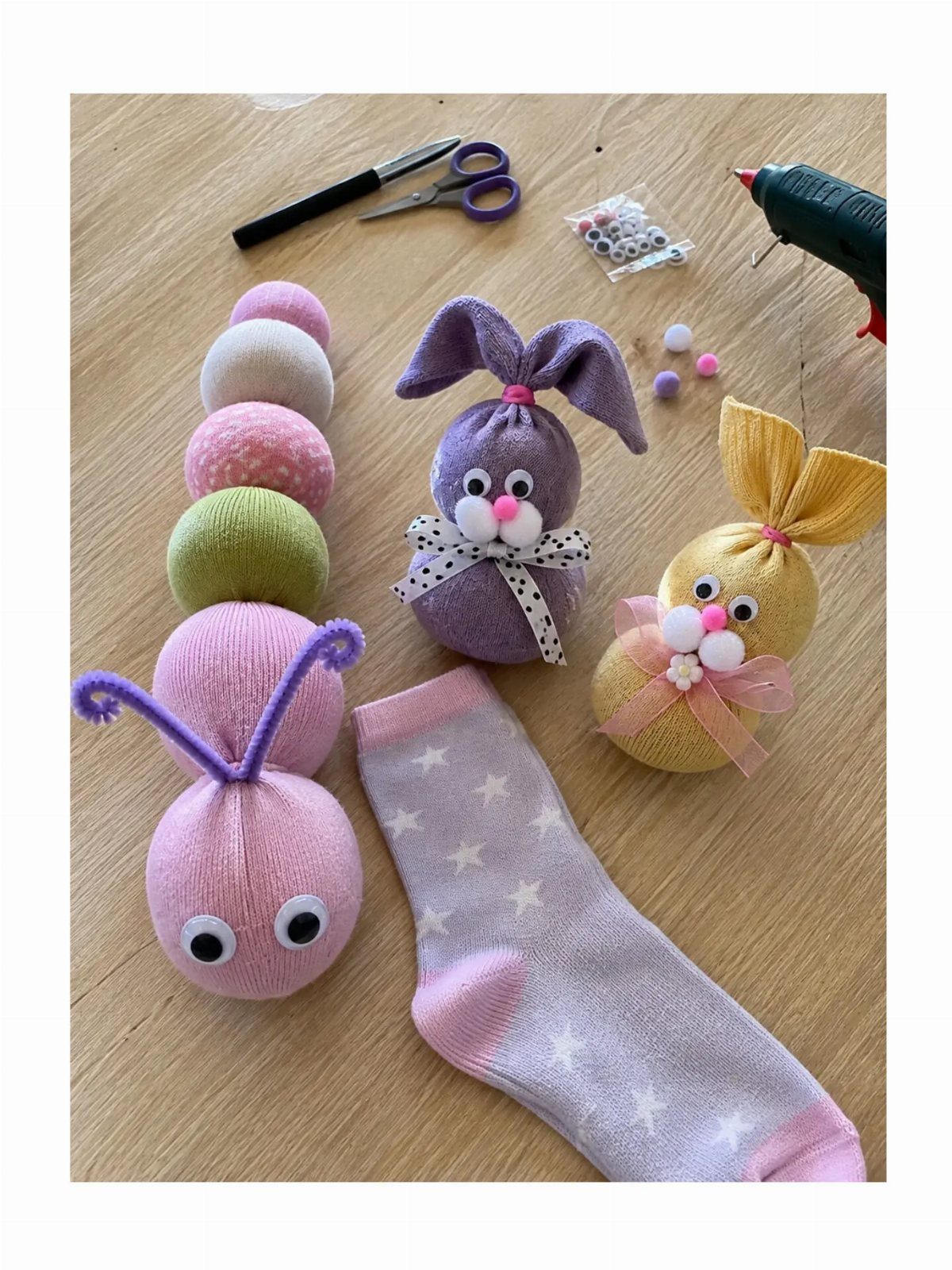
A sock, a glue gun and a pair of googly eyes make a caterpillar, a bunny or a chick in about the time it takes to read a bedtime story.
Let your child pick which animal goes with them on day one.
A homemade friend can ride in a backpack and come out at drop-off for comfort.
I would make it together at the kitchen table a few days ahead, so the child already thinks of it as theirs. Handle the glue gun yourself and let your child choose the eyes and where they go.
2. Classroom Treasure Hunt Using Picture Clues
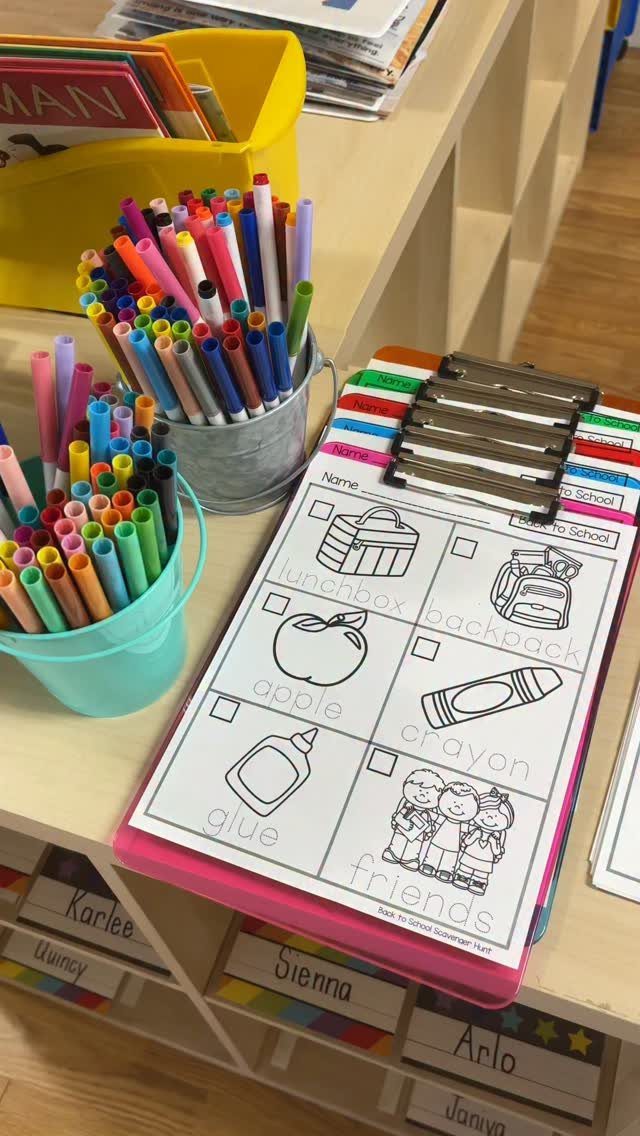
Picture clues turn a classroom into a game that needs no reading. A lunchbox, backpack, apple, crayon, glue and a group of friends make picture clues simple enough for preschoolers to follow from one spot to the next.
I like this one because anxious kids stop watching the door once they have a job to do.
Ask the teacher whether a worksheet like this can be used during the first visit or open house, and hold the clipboard yourself so your child can focus on pointing and finding.
3. Name Circle Time
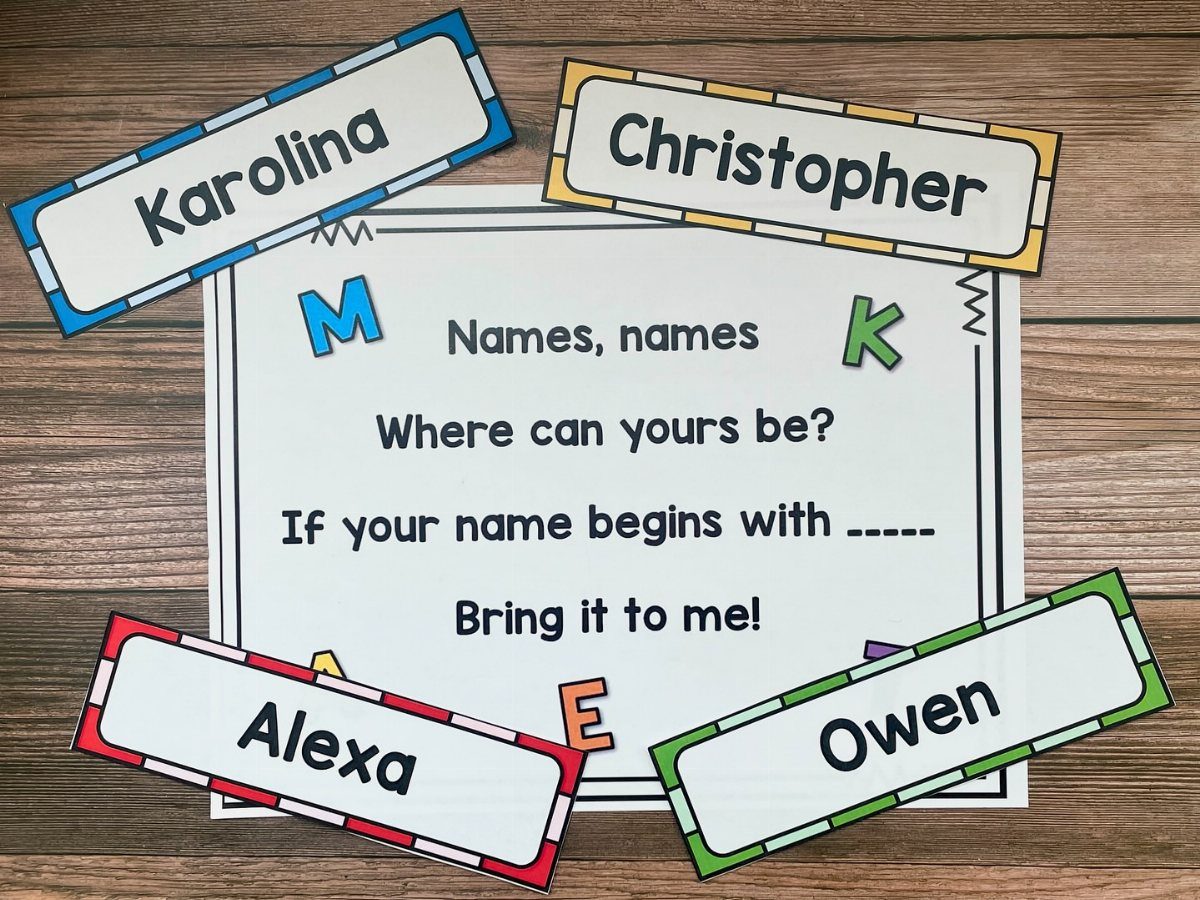
Names are the first thing a new group of kids needs, and a rhyming chant makes them stick: "Names, names, where can yours be?
Call out a letter and ask children whose names start with that letter to bring their tags forward.
Write each child’s name on a tag, then call out a letter and let the matching names step forward.
Large tags with bold letters let a child pick out their own name from across the circle. Practice the chant at home first; hearing a familiar rhyme in a strange room calms a nervous kid fast.
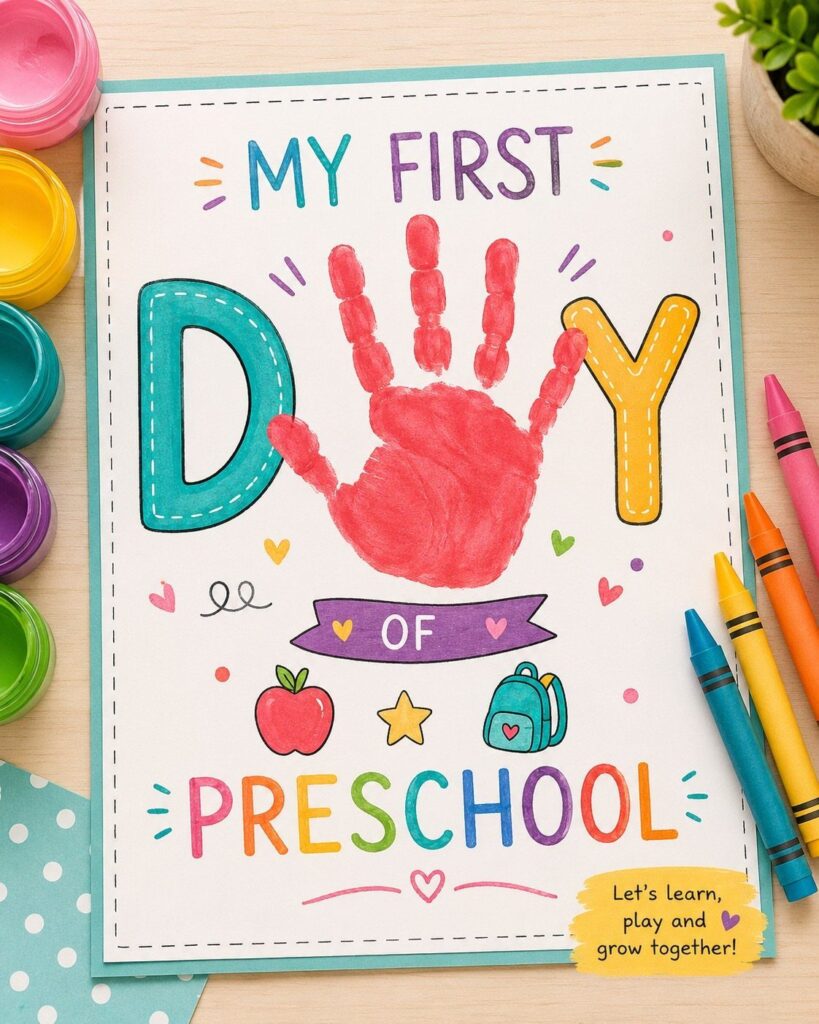
4. Handprint Welcome Banner
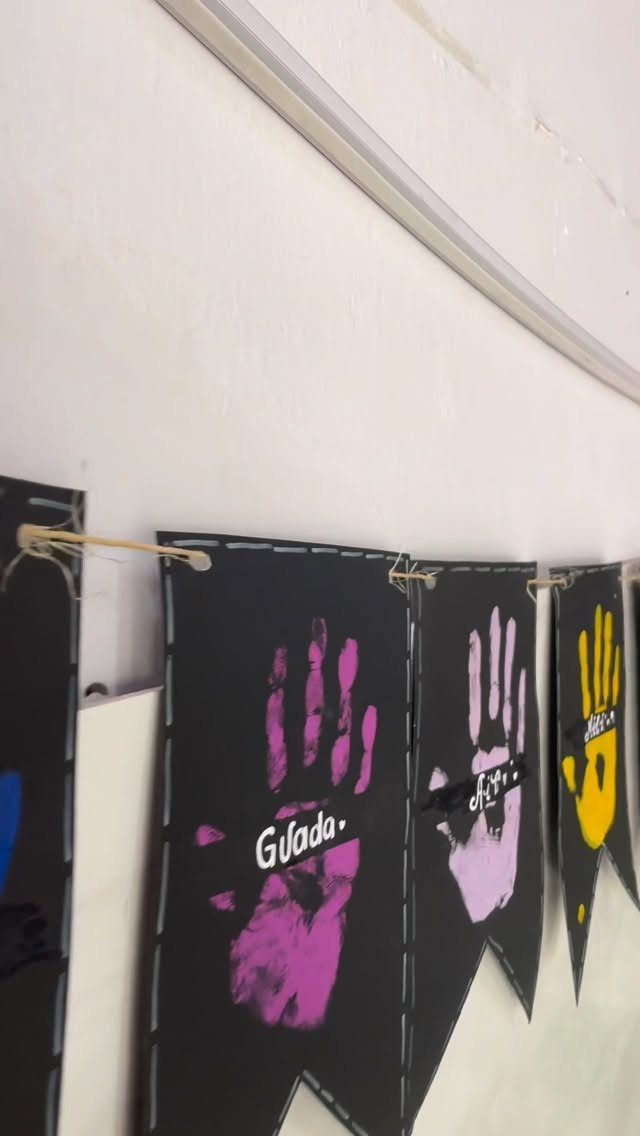
Painted handprints on paper bunting give every child a visible place in the room. Black paper makes bright paint pop, and each flag gets a name written beside the hand.
Cut the flags in advance, then let each child press a hand in whatever color they choose.
Lay the flags flat to dry before stringing them across a wall. Painting is messy, so keep wipes and a bucket of water nearby, and bring the finished banner to the teacher a day early if you can.
Managing Separation Anxiety
Build a short goodbye routine and use it every single morning. A hug, a quick joke, or choosing together which activity to try first all work, as long as the steps stay the same.
If they are upset, say you understand; missing family is normal, and the feeling passes after a while.
If you walk your child into the room, never slip out unannounced, even when you know tears are coming.
Say goodbye to your child first, then tell a staff member you are leaving. The teacher can comfort your child and steer them toward an activity, which is much easier than a child discovering you are gone.
Post-first Day Check-in
Stop at pickup for a quick word with the teacher about the day. Questions or worries can go to the staff too, since a smooth start is what they want as well.
Expect a more tired child than usual. First days wear kids out, so give them some grace through the first week while the new routine settles in.
Leave room for extra closeness after school, especially if this was their first long stretch away from you. Ask about something they did or played with, then follow where they want to talk.
A child’s first day at child care or preschool can be challenging-for both child and parents.
Emotional Readiness
If words are hard, play hide-and-seek or send toy cars through tunnels, which introduces leaving and coming back without any pressure.
Skip reassurances like "You’ll make friends." I say something like, "A new school can feel scary."
How can we make it easier?" That tells them the feeling counts.
Tell them about a time you felt nervous around new people, so scared feels normal.
Keep routines at home the same during this stretch, and leave space to rest after school. A visit ahead of time to see the room, meet the teacher and play on the equipment makes the first day less strange.
Frequently Asked Questions
What do children feel on the first day of preschool?
Expect a blend: some eagerness, some curiosity, and a little worry tucked in alongside. A strange room, unfamiliar faces and hours away from home are a lot for a small child, and fear of what they can’t predict is normal.
How do I handle separation anxiety on the first day of preschool?
A short, identical goodbye each morning works best: a hug, a silly joke, or a quick choice about what to play with first.
How can I make the first day of preschool feel special?
A few days before school, I’d make a sock animal together with a glue gun and googly eyes, letting your child choose the creature and stick on the eyes. Because your child helped build it, it already feels like theirs.