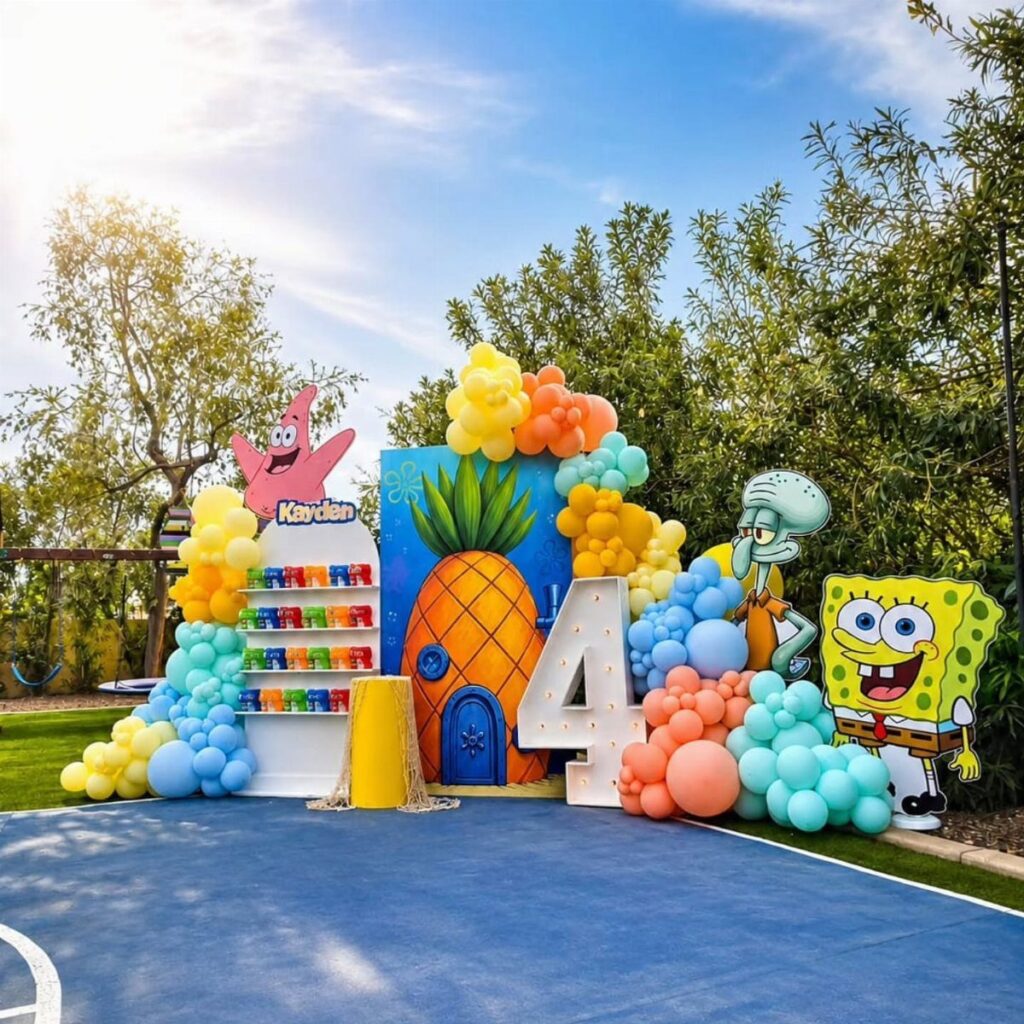
These ideas run from a bubble party and a table of paper plate masks to an art gallery and a VR headset, and the one fact that sorts them is your guest count.
A small group suits a cooking party or a friendship bracelet station where an adult can stand close; a big, mixed-age crowd suits an obstacle course or an indoor playground that runs itself.
The post’s own formula starts at your child’s age plus 1 or 2 guests, so pick that number first and the right party tends to follow.
1. Face Painting
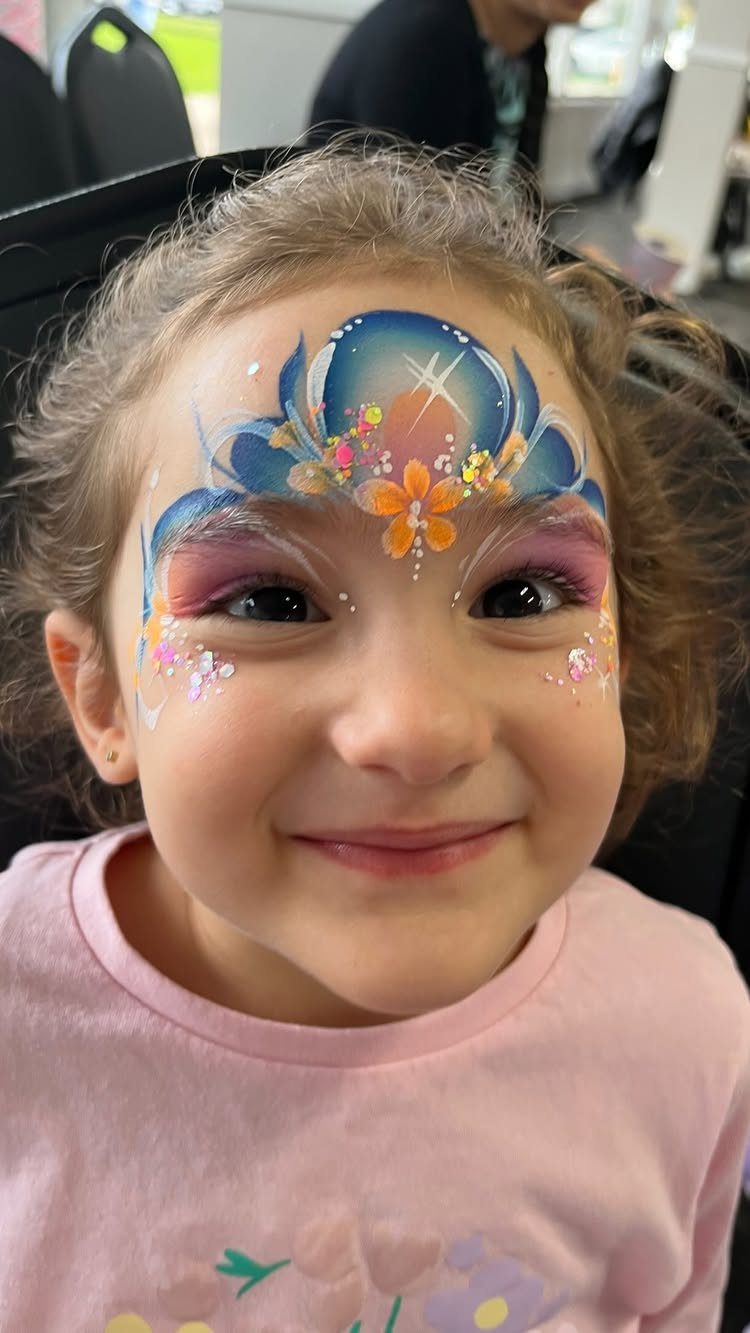
Face painting works because every kid leaves wearing the party. Skip the stencil-and-repeat approach and paint each guest something different, which is how the host of this one did it, with no two designs alike.
Give each child 2 or 3 choices before they sit down so the line keeps moving.
Cheek and forehead designs, like the flower and swirls here, finish faster than full-face looks. Glitter is the part kids ask for first, so plan for it.
Have a mirror ready; the reveal is half the fun.
2. Indoor Playground Birthday Party
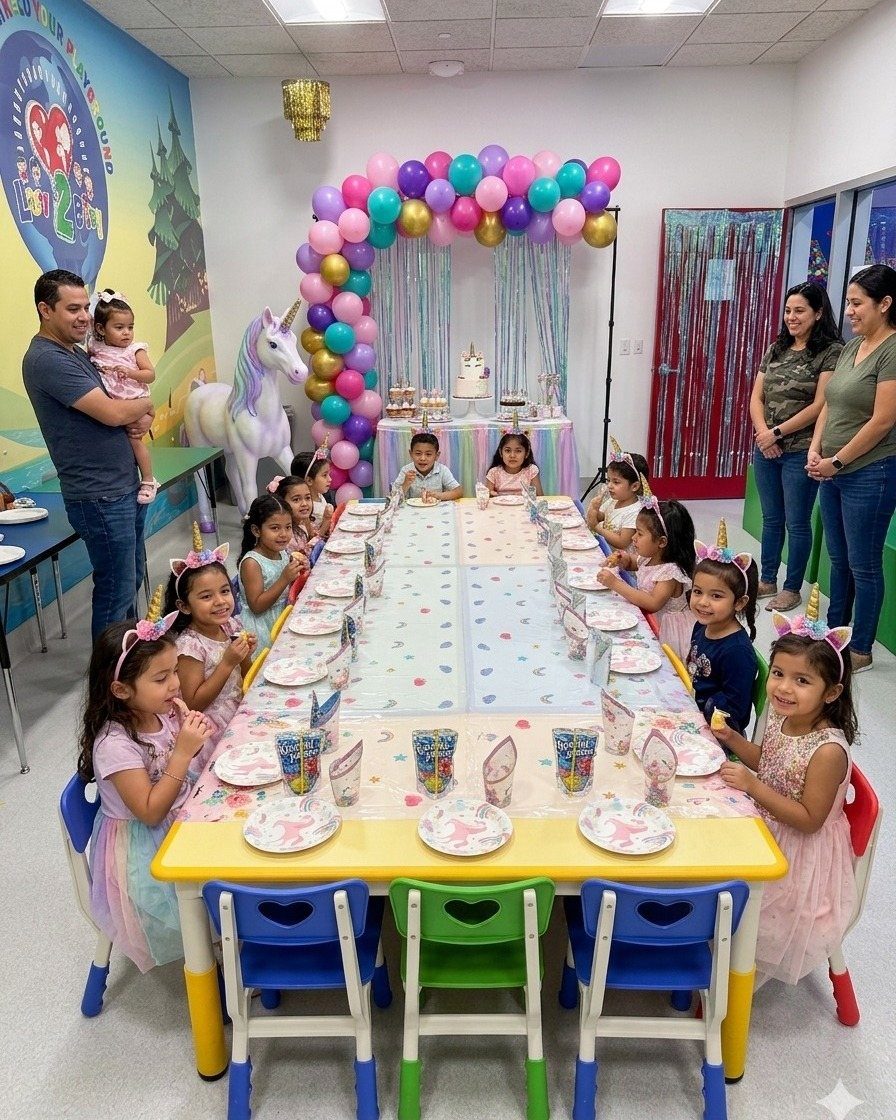
A party at an indoor playground hands the entertainment to the building. The kids climb and run, and you handle the cake and the table.
I would book it for a big group of mixed ages, since nobody needs to be directed.
Check the cost per child before you commit, because that is where venues differ most.
Cost: Kids admissions for birthday parties start at $25 per kid, room rentals start at $299, and there is a “Parent Party Package” with amenities for kids and adults for $799.
3. Art Gallery Party
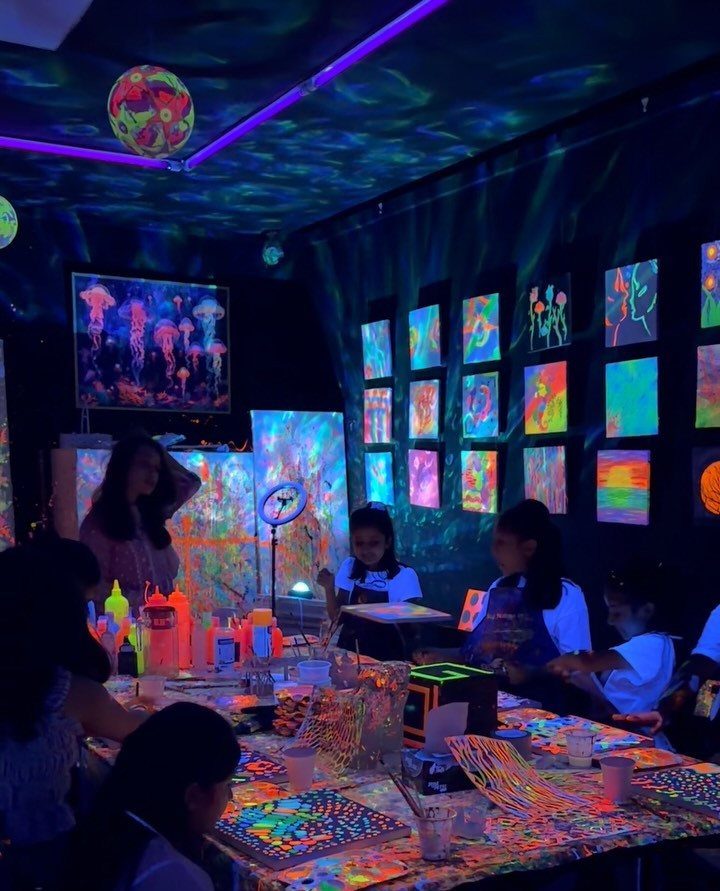
Neon paint under UV light turns a dark room into a studio where the work glows the moment it is finished. Kids paint, then hang their pieces on the wall, and the party doubles as a gallery opening.
I like this for kids who would rather make something than race around. Keep the group small so everyone gets elbow room and an adult can supervise the paint.
Send each child home with their own glowing piece.
4. Animal Shows
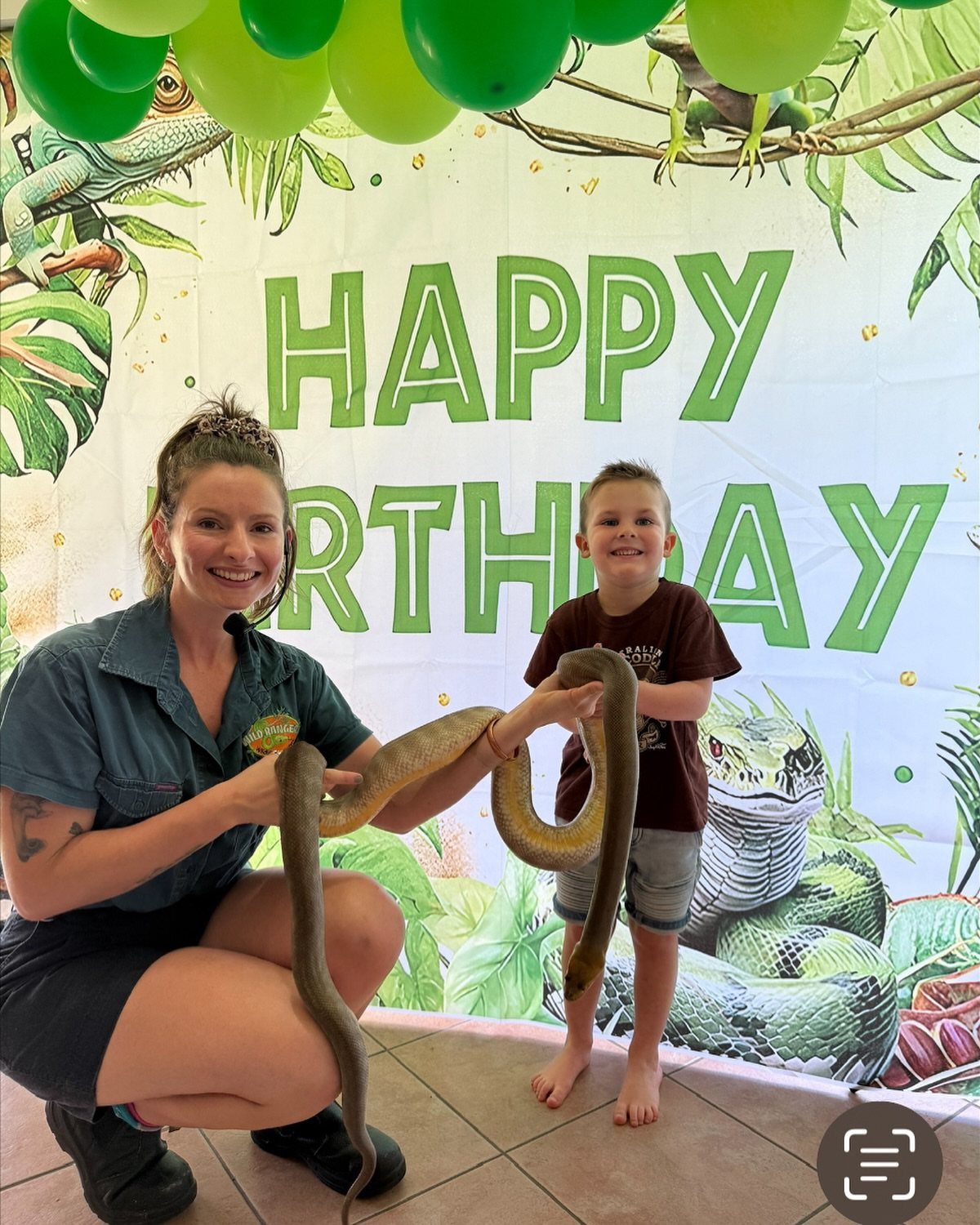
Handing a child a large snake in front of the birthday backdrop gives the party a story the guests will repeat for weeks. A live animal visit is an educational show and a photo moment in one.
Bring in a handler who runs the encounter rather than managing the animals yourself. Ask what species will come, since some kids will be nervous, and let anyone who wants to simply watch.
Seat the audience before the animals arrive.
5. Puppet Show
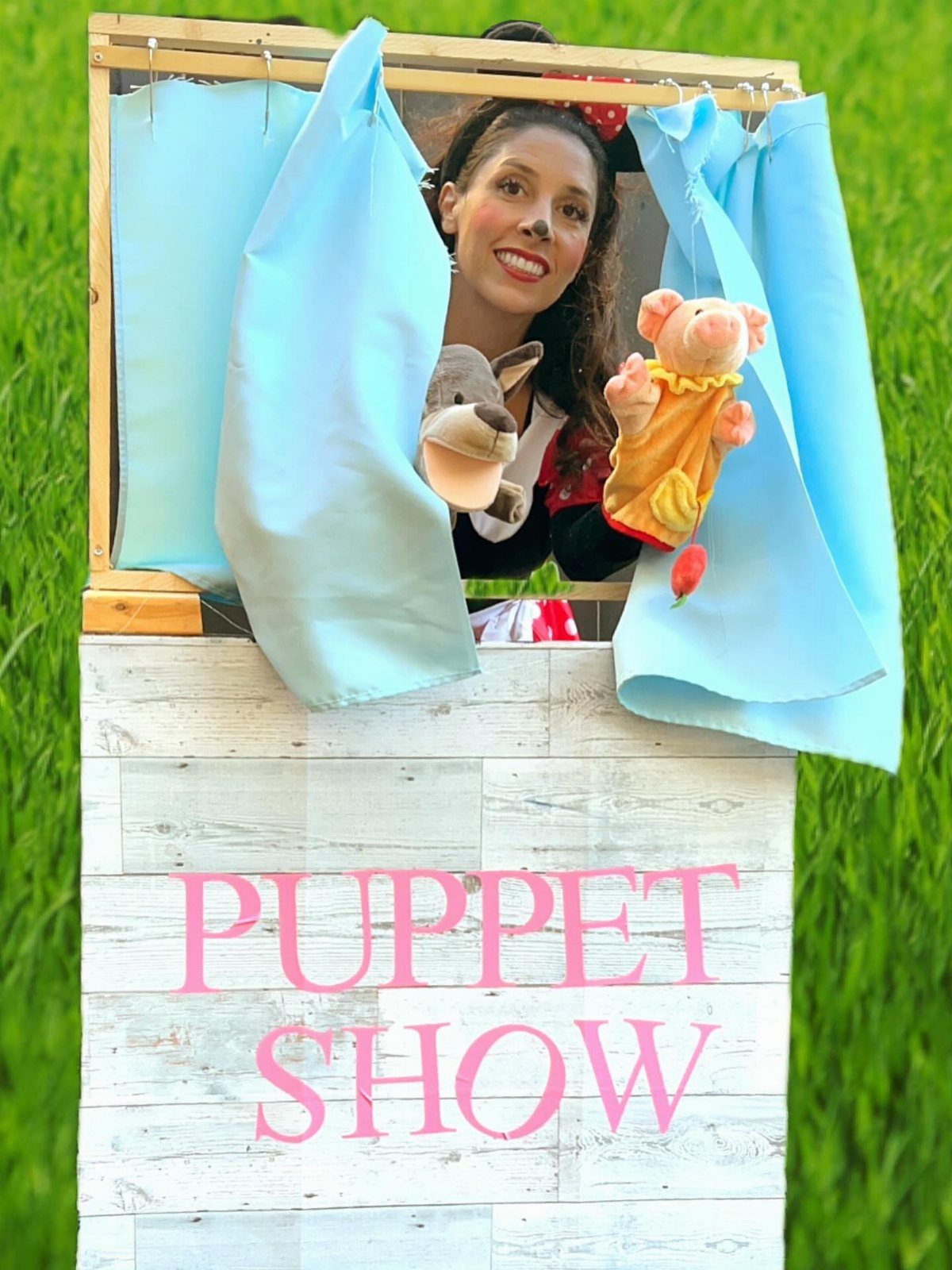
A wooden puppet theater with curtains and a painted sign gives a small performance a real stage.
Outdoors on grass, it works for a seated crowd of little kids who will happily watch for as long as the puppets keep talking.
You can hire a performer, or build a simple frame and run the show yourself with a couple of puppets.
I would keep the story short and invite the kids to shout answers back, since that holds attention better than polish.
Plan for a short show, not a long one.
6. Sports Party
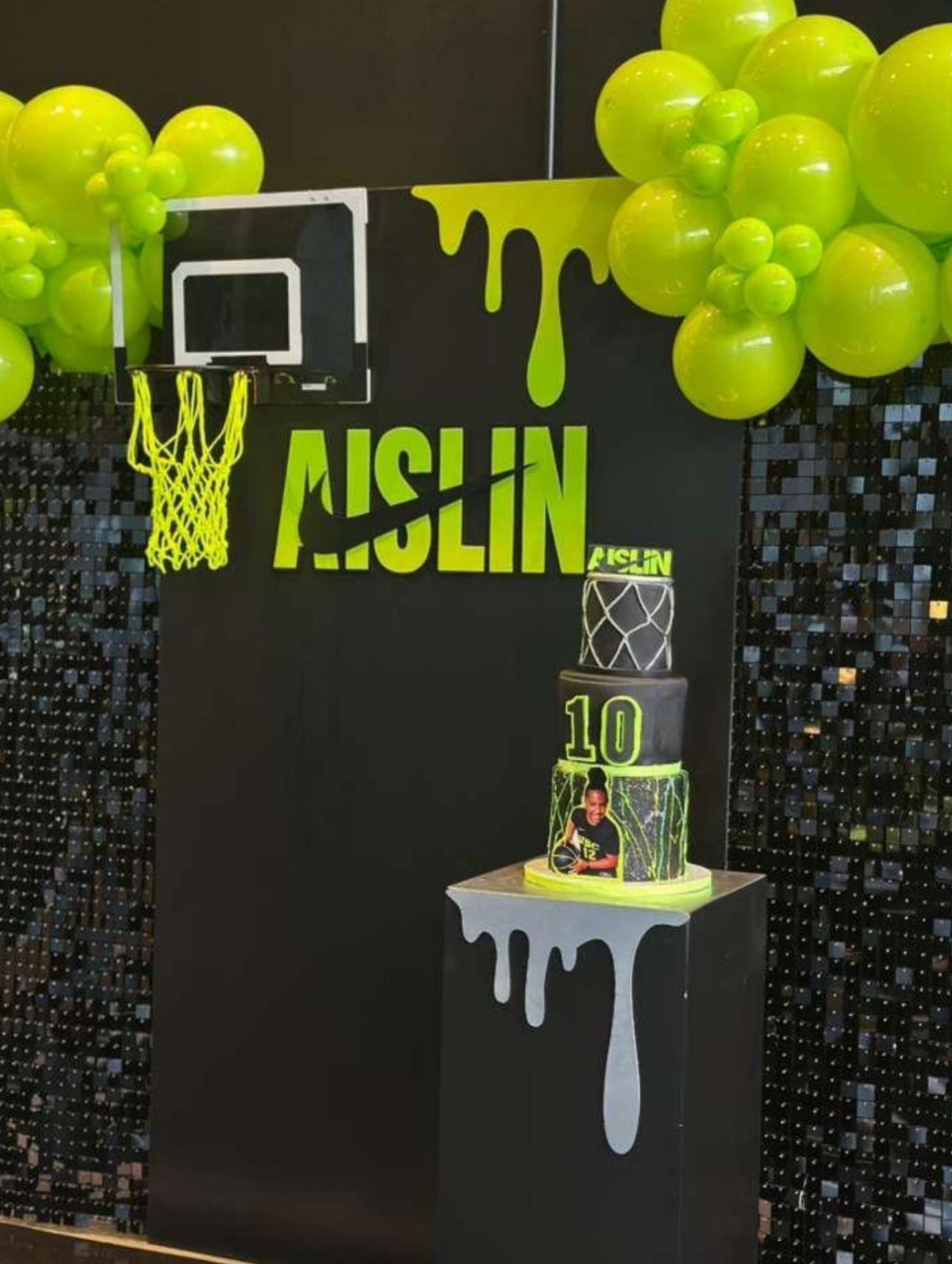
Pick one sport and commit to it.
For the activity, the hoop does the work: set up a shooting contest and let guests take turns.
A tiered cake with a photo on top is a splurge, so a single-tier cake with the same number keeps the theme and trims the cost.
Match the colors to the team the child loves.
7. Bubble Party
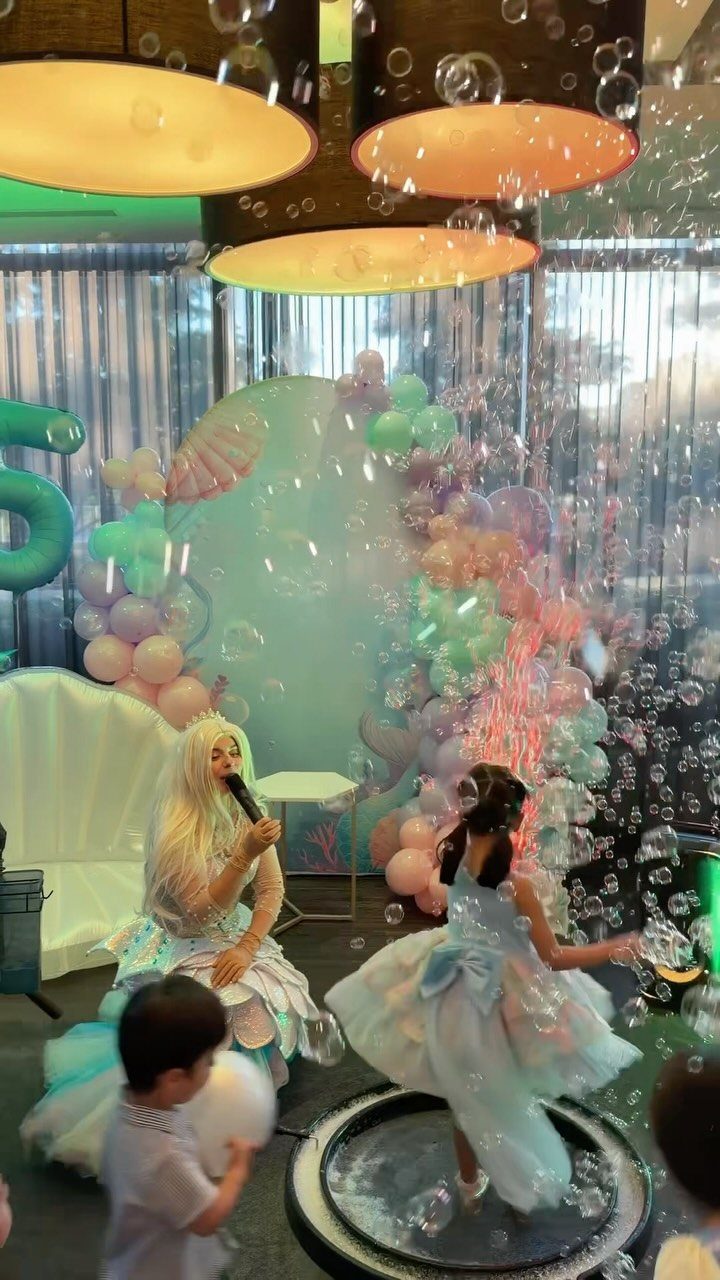
Bubbles give a party its own weather. Floating clusters around a child in a costume or a favorite dress make the photos for you, so the decor can stay simple.
One bubble moment works better than constant refills: a mermaid or character host blows them as guests arrive, then the kids chase what’s left.
Set it in a room you do not mind getting a little slick underfoot.
8. DIY Friendship Bracelet Station
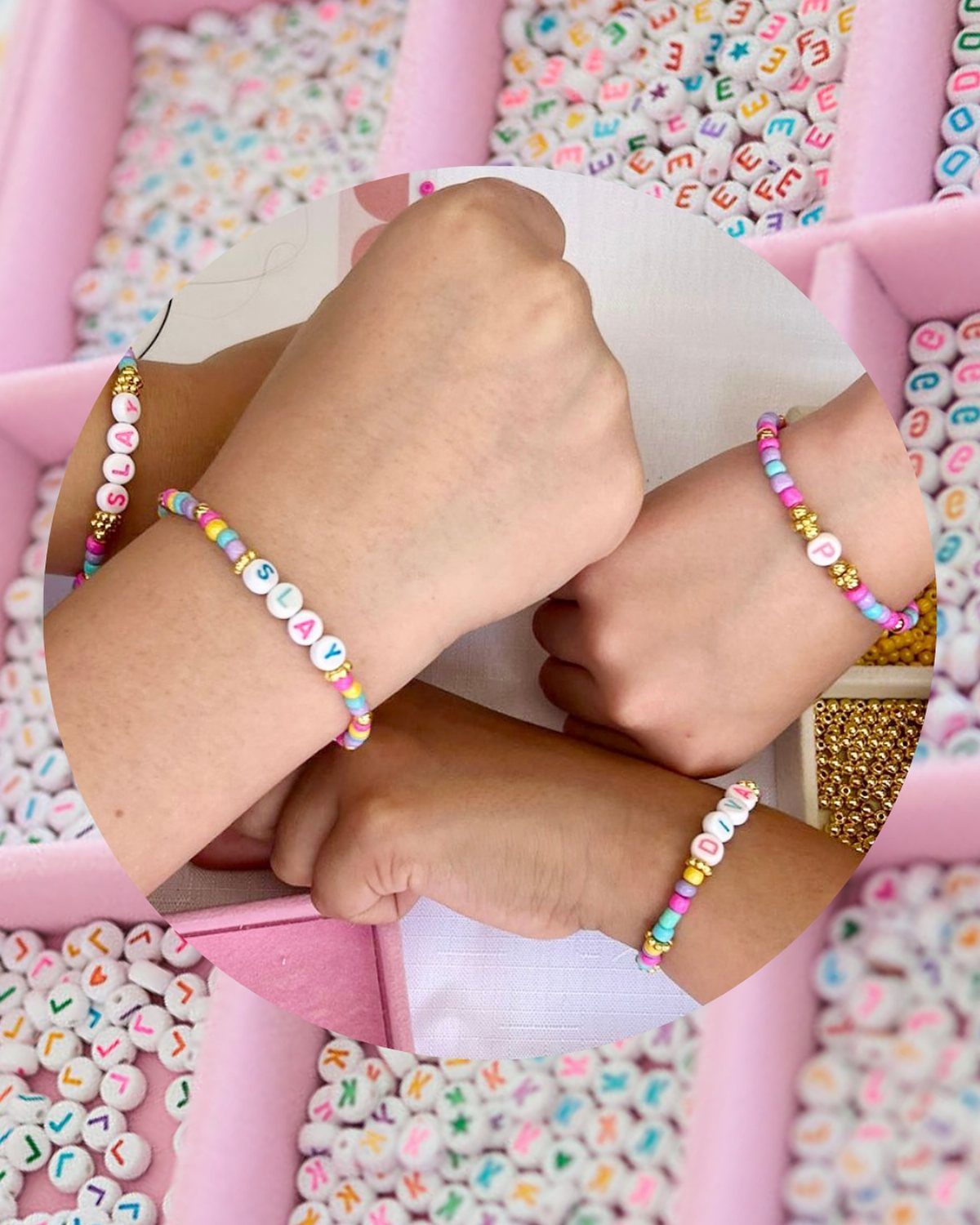
Letter beads sorted into bins turn a bracelet into a message, and kids care more about spelling a word than about the pattern. Short words and nicknames fit best on a wrist.
I would put each letter in its own bin so no one digs for an E, and set out colored beads as filler. Let guests make one for themselves and one to trade.
Wear-it-home is the favor, so skip the goodie bag trinket.
9. Paper Plate Mask-making Station
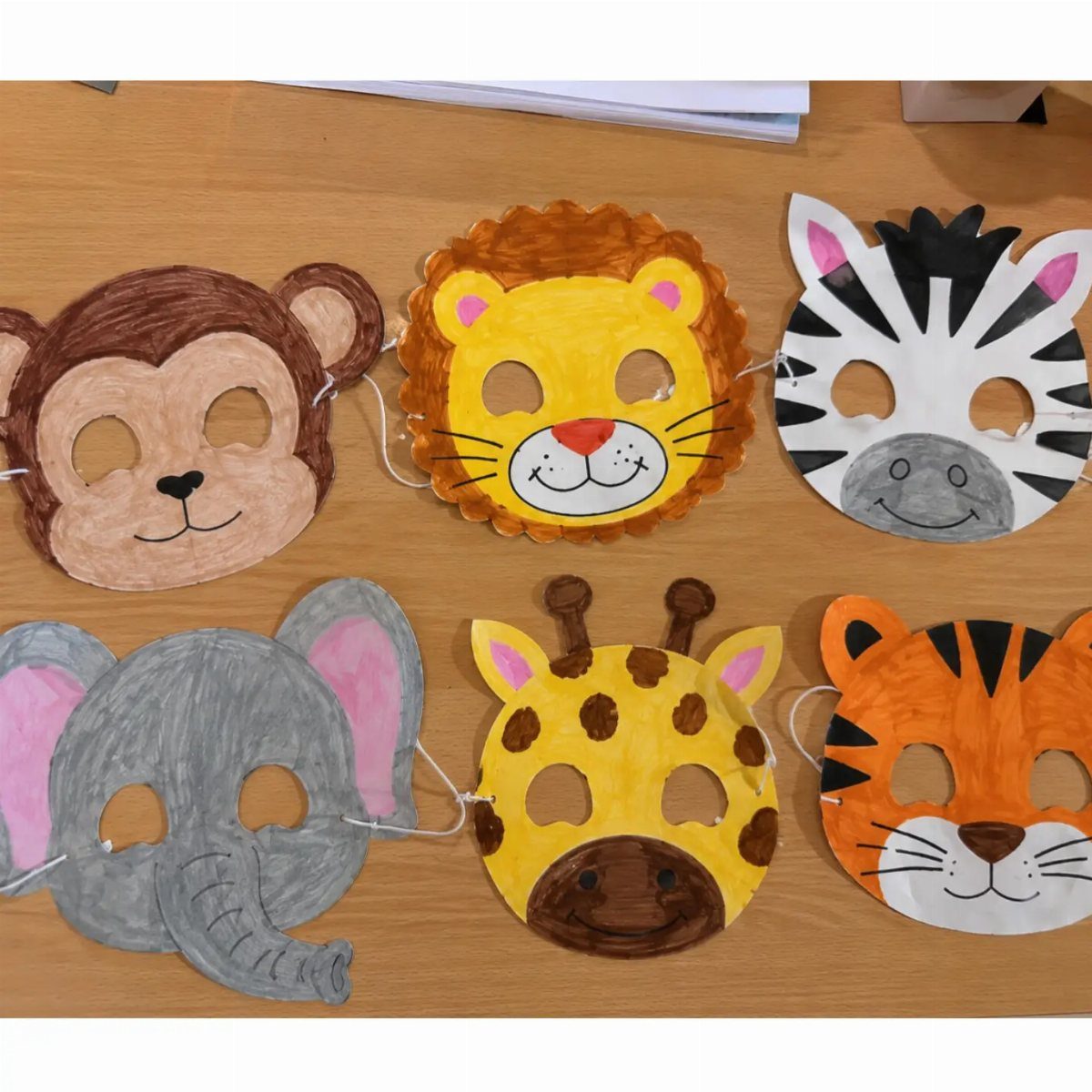
A paper plate is already the right shape for a face, which makes animal masks the easiest craft here.
Pre-cut the eyeholes yourself so the kids spend their time decorating. Put out markers, paint and scraps, and show one finished example as a guide.
Add a stick or elastic at the end so the masks can be worn in a parade.
10. Obstacle Course
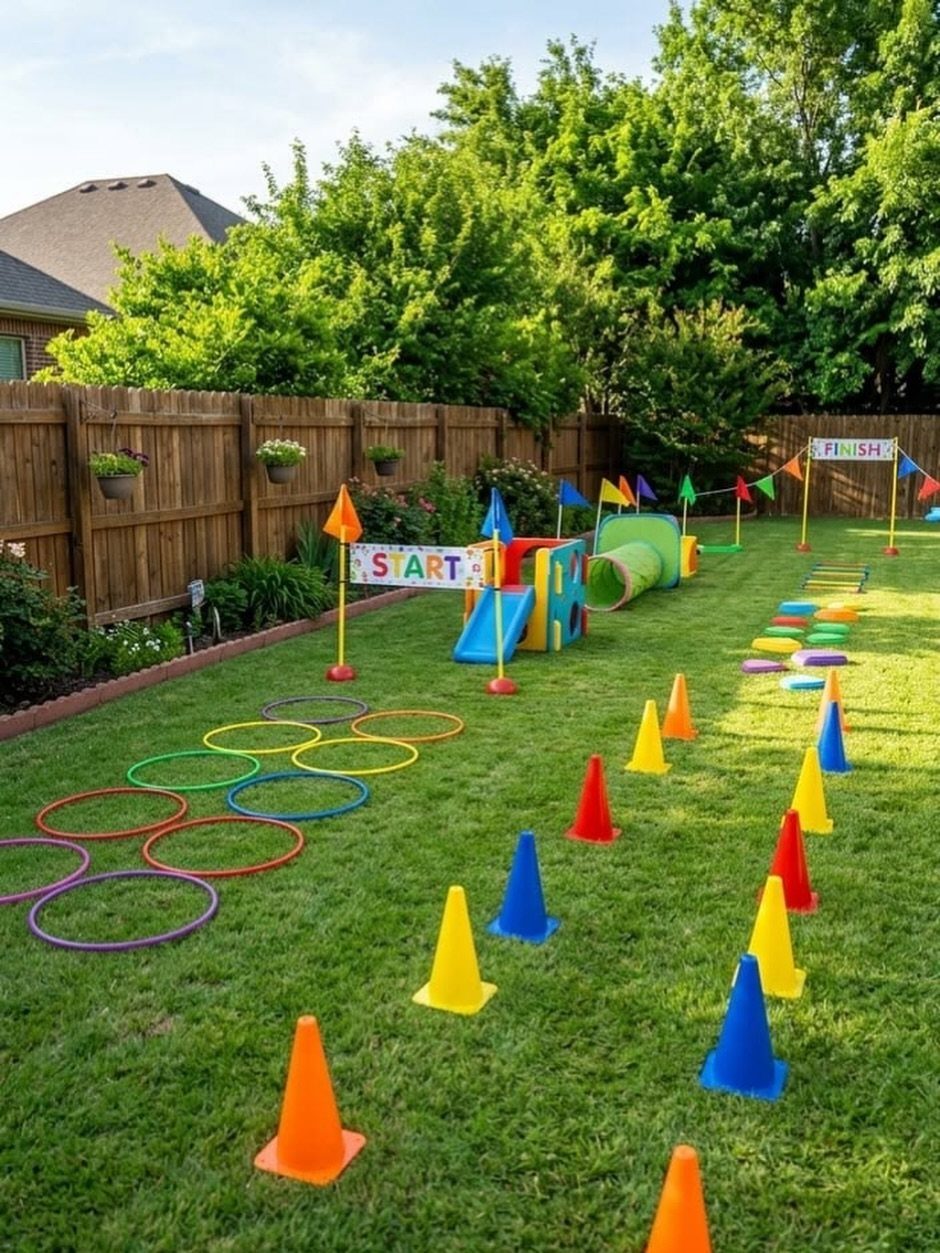
Cones to weave through, hoops to step in, a tunnel and a slide give each child different moves.
I would keep the order simple and let kids go one at a time, then run it again for a better time. Space the pieces so the route is obvious without an adult pointing.
Cheap gear works fine here; the signs do the staging.
11. Escape Room Birthday Party
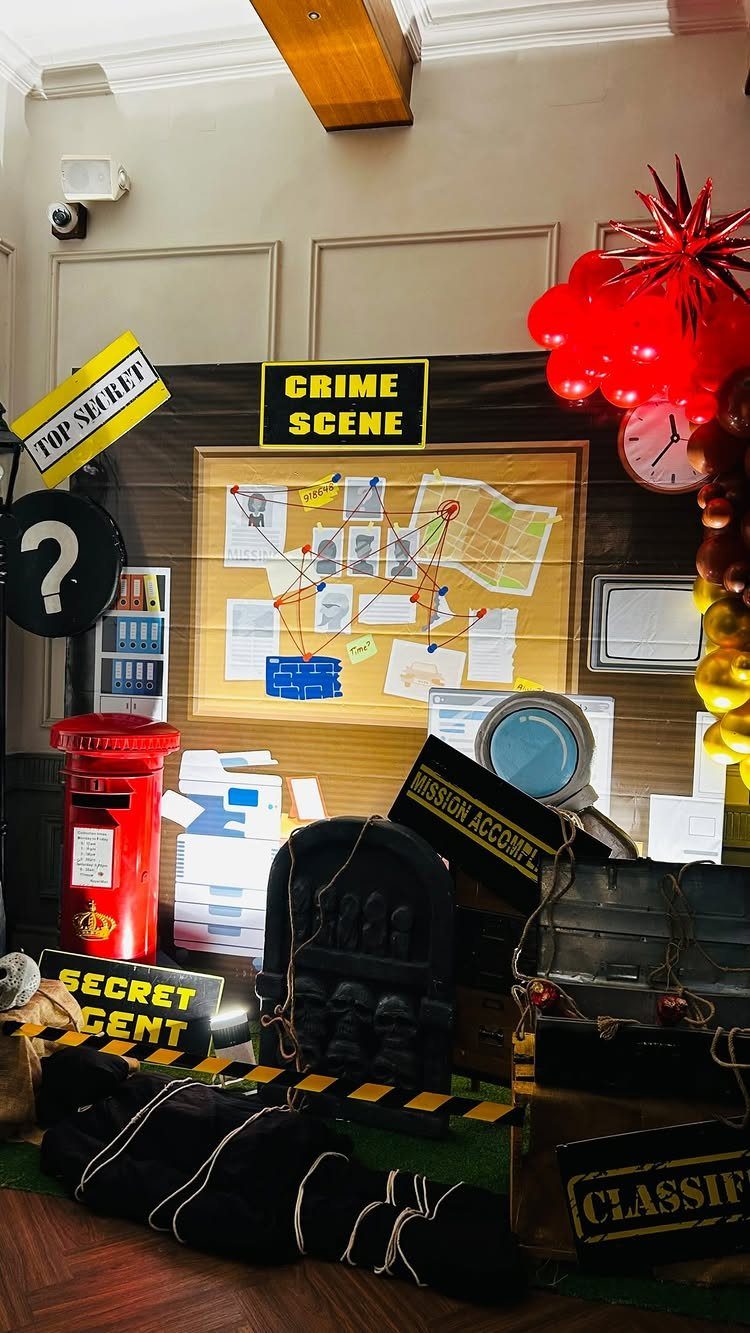
The MISSION ACCOMPLISHED sign marks the ending.
I would aim it at older kids, who like the puzzle more than the running around. Write the clues yourself and hide them so each one points to the next.
Finish with a reveal at the board so the solving feels earned.
12. Outdoor Picnic Party
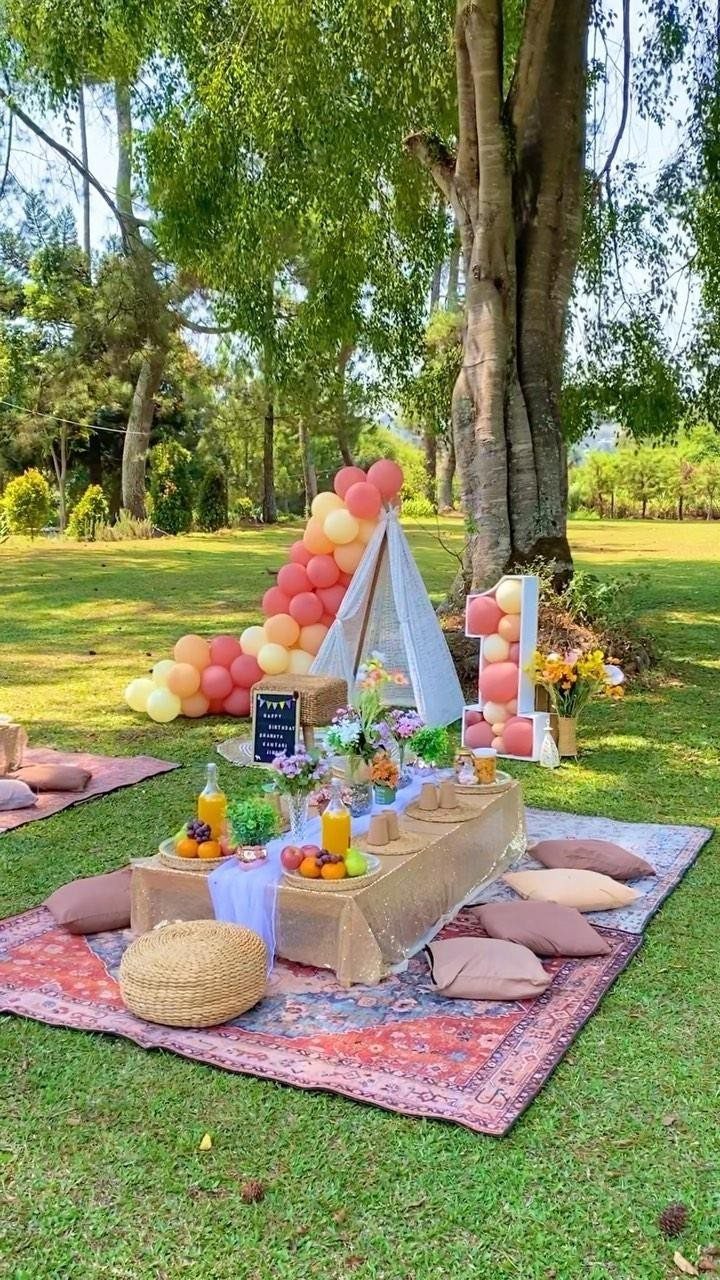
A low table with floor cushions and rugs on the grass sets a park party up as a picnic, and a teepee gives the little ones a spot to retreat to.
A balloon arch and a HAPPY sign mark the place.
I like a tree for the backdrop because it frames the setup without extra decor. Keep the food finger-friendly so kids can eat sitting down.
Bring a few extra rugs; people always need more room than expected.
13. Virtual Reality Party
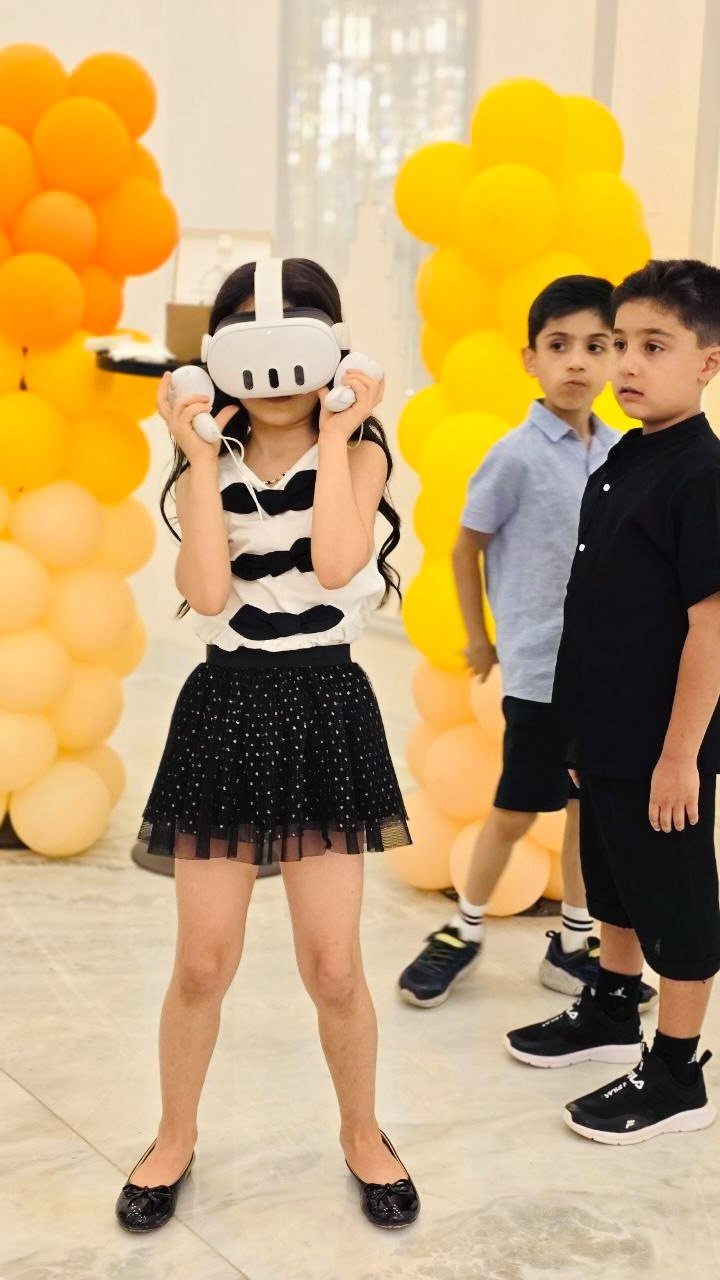
A VR party gives each guest a turn inside a game, so the real planning is the line.
With a headset and a pair of controllers, one child plays while the others watch, which is how the boys behind her here are spending it.
I would set a short turn for each child and say the rule before anyone picks up the headset.
Move anything breakable out of the play area, and set the balloon columns well back from where kids will be swinging their arms.
Give the waiting kids something else to do.
14. Bowling Party
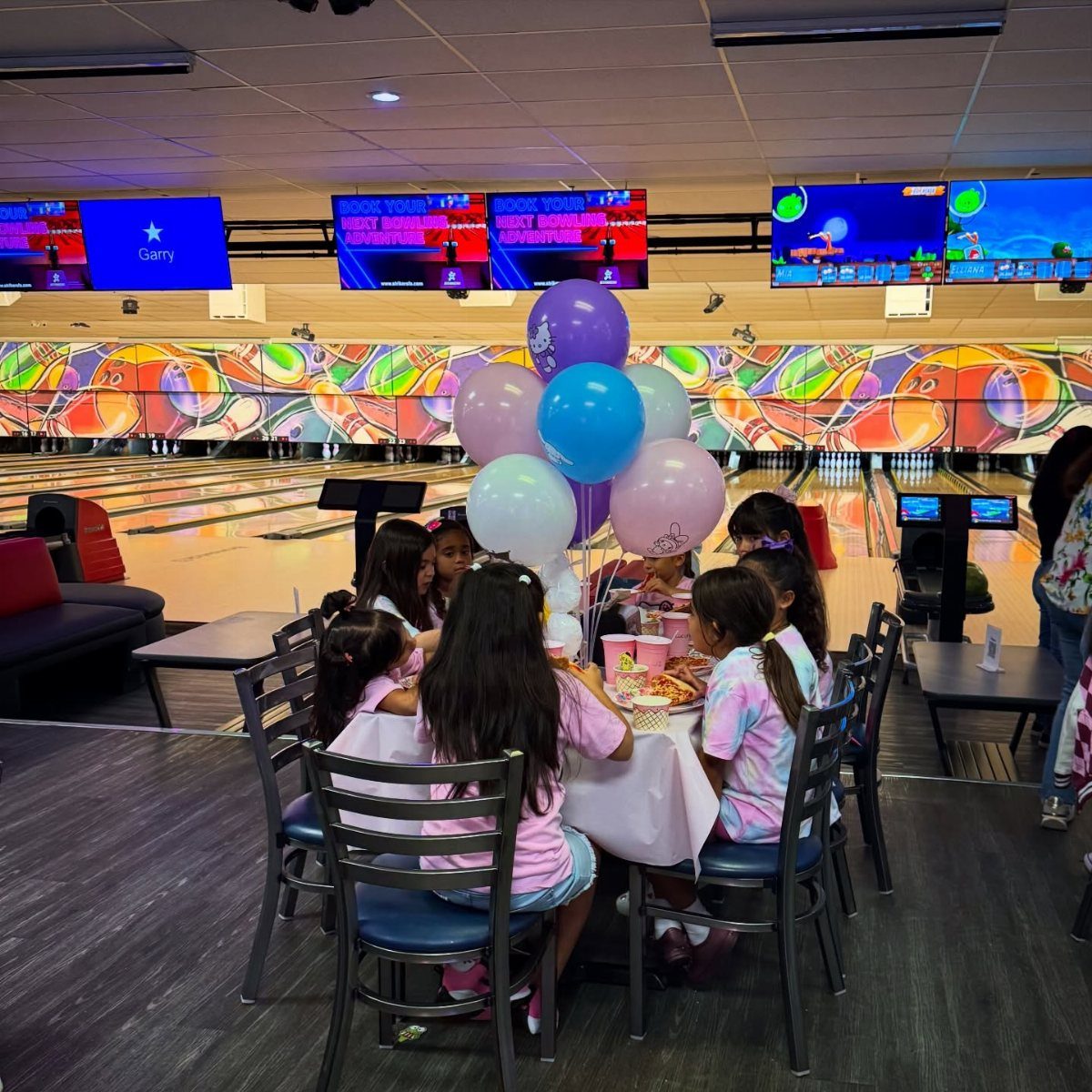
At a bowling alley, the lanes are the whole program, so your job is the table. Reserve one with balloons and snacks set out before the guests arrive, and the party runs itself.
I like this for a mixed group of friends who just want to play. Ask about lane time and food packages when you book, since those two decide the per-guest cost.
Bring your own balloons and a cake only if the alley allows it.
15. Science-themed Party
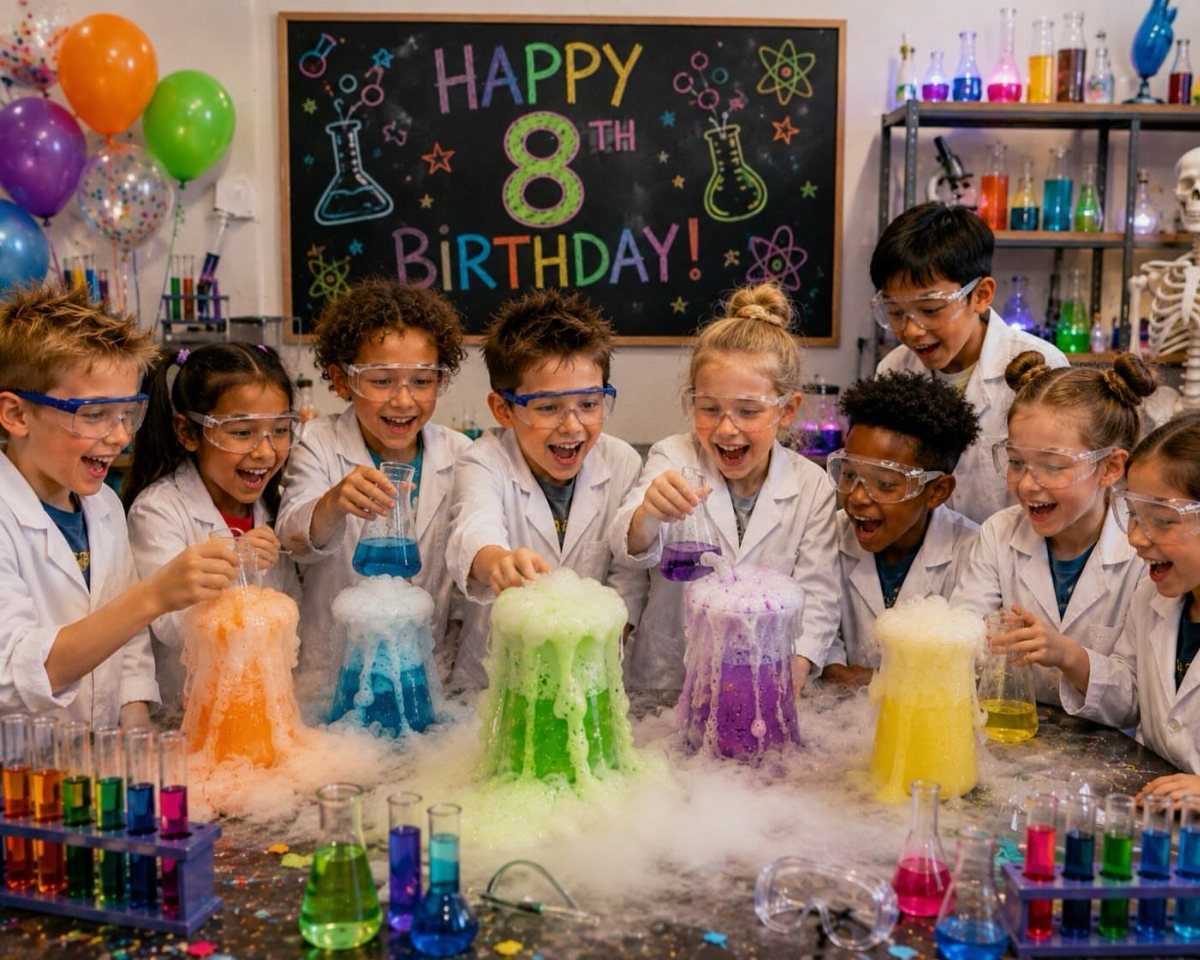
Foam is the experiment to build a science party around, because the result is colorful, messy and instant. Lab coats make kids act like scientists, which means they will follow directions for the one step that matters.
I would run each experiment in small groups with one adult nearby, and cover the table with something wipeable. A chalkboard with the child’s age and name keeps the decor simple.
Plan on cleanup time, and let the kids help.
16. Cooking Party
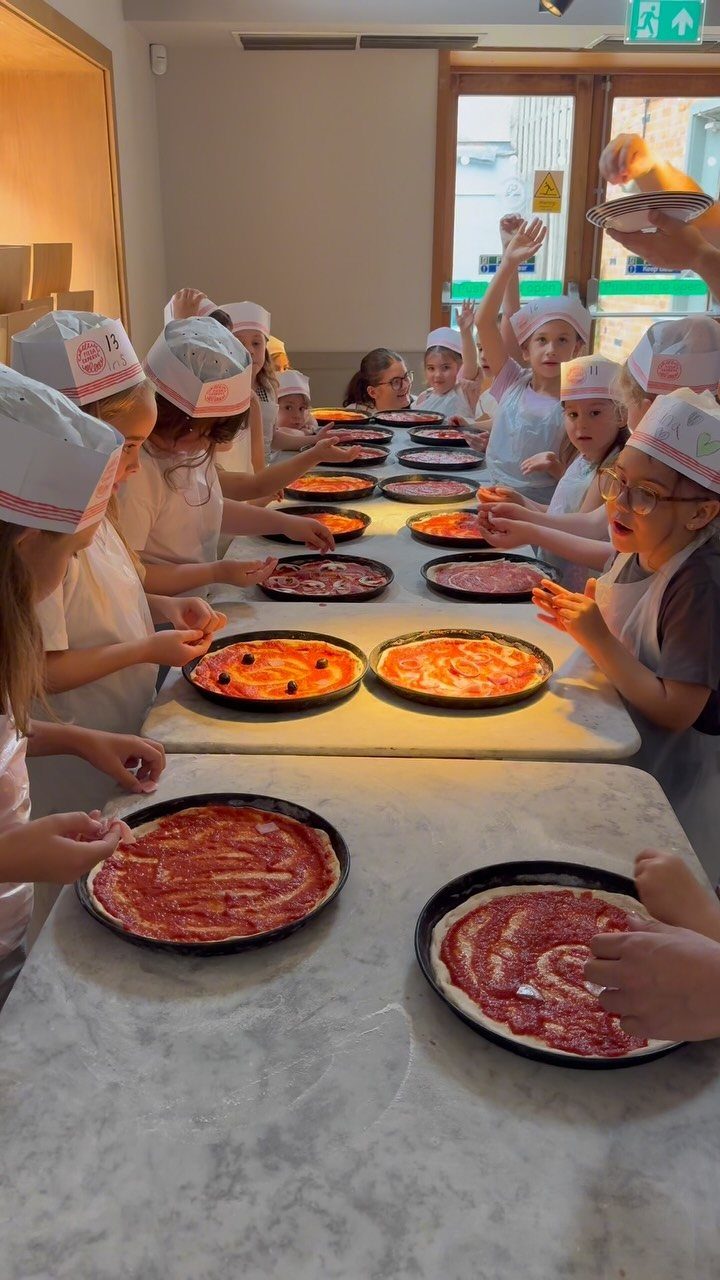
Pizza is the right dish for a kids’ cooking party: every child gets their own base and chooses the toppings.
Sauce, shredded cheese and sliced olives cover the basics, and a chef hat and apron for each kid turn a kitchen table into a pizza station.
I would prep the dough and lay out toppings in small bowls ahead of time, so the kids only assemble. Label each pizza with a name before it goes in the oven.
Have an adult handle the oven, always.
17. Movie Night Party
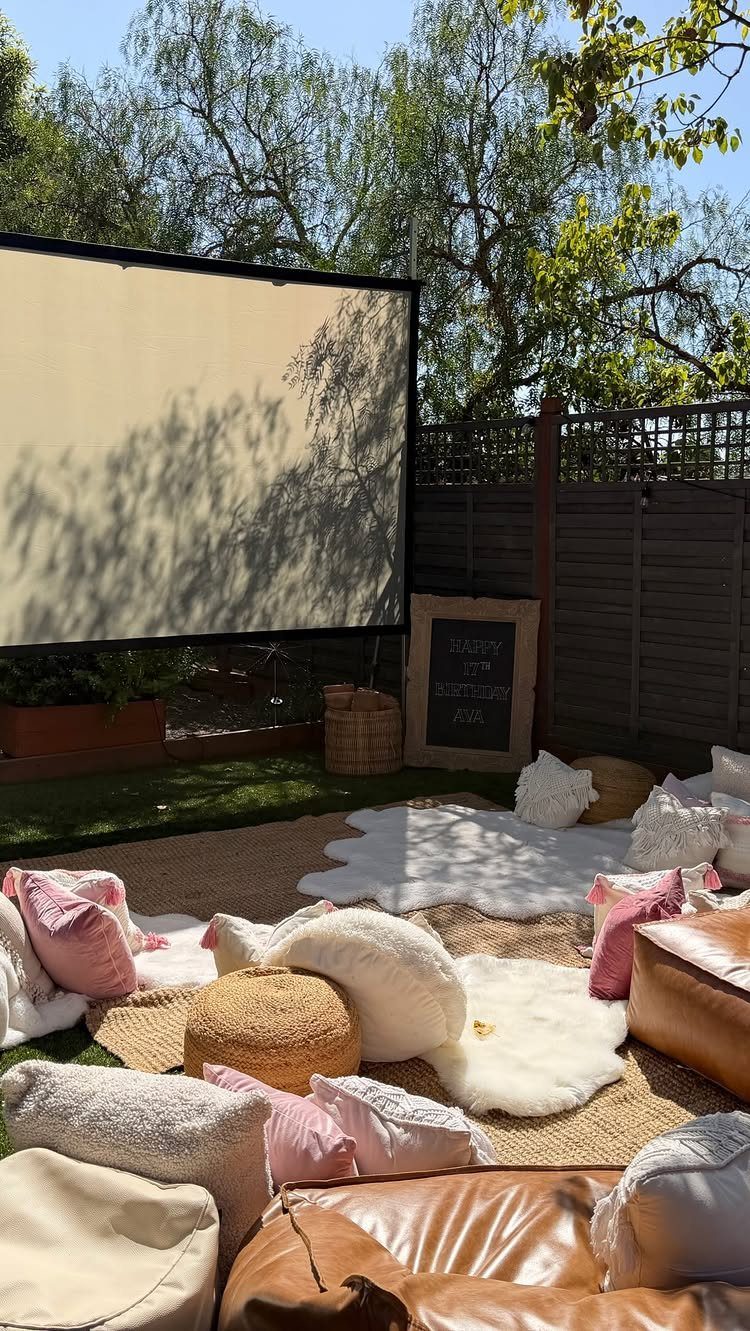
Older kids and teens like this best, since the main activity is sitting together.
Pick the film with the birthday guest, then lay out plenty of rugs and pillows so everyone gets a spot. Wait for dusk to start.
Set up the screen and test the sound before the guests walk in.
18. Backyard Tents Camping Party
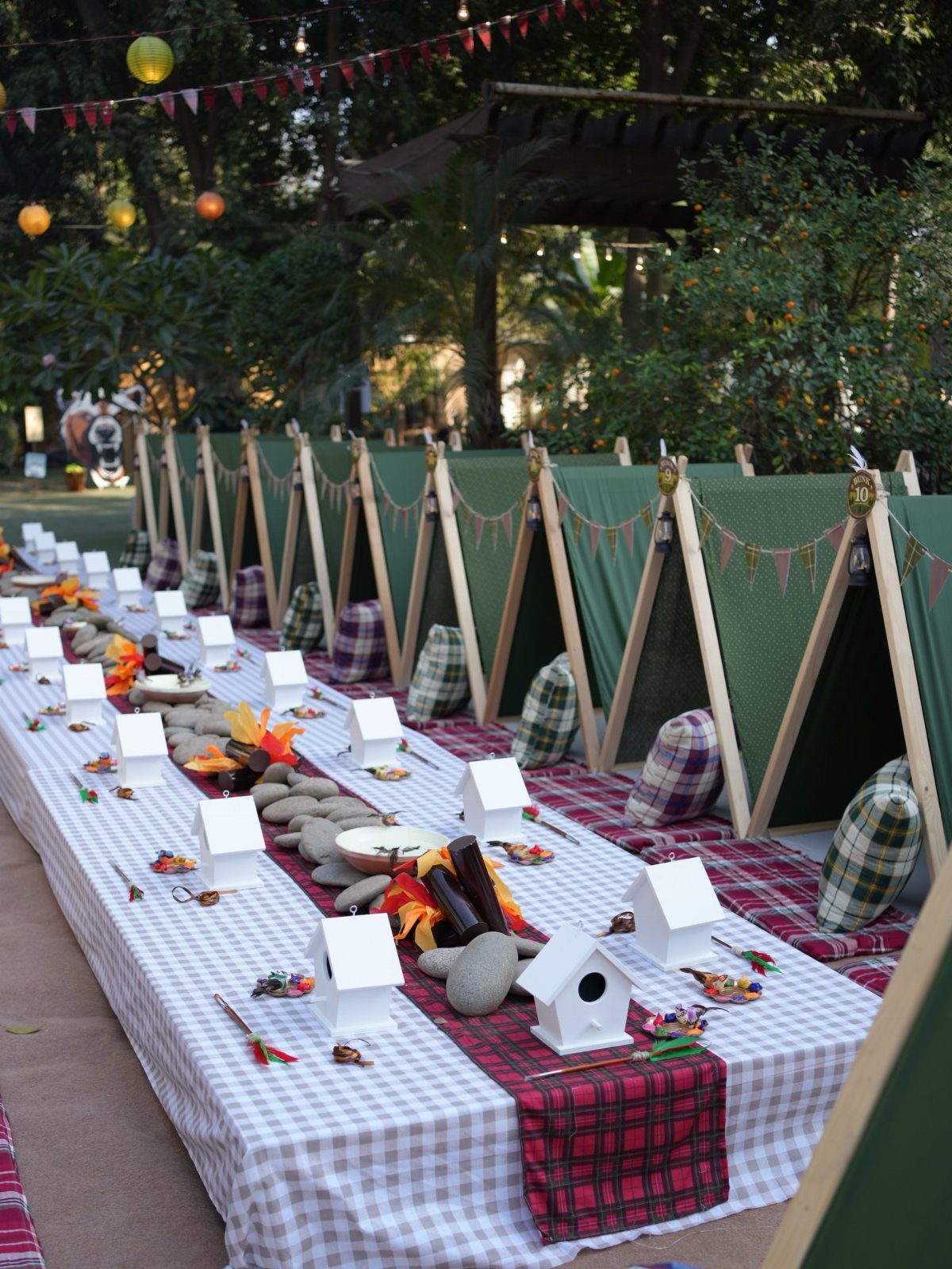
Small A-frame tents on a long table make a camping party that fits any yard. Checkered cloths and pillows give the table a campsite look, and each guest gets a tent to claim.
I would use the table as the centerpiece and seat kids around it for the cake. Add camping accessories to the table in the same colors, so the look stays tidy.
Finish the table before the first guest walks in.
19. Dance Party
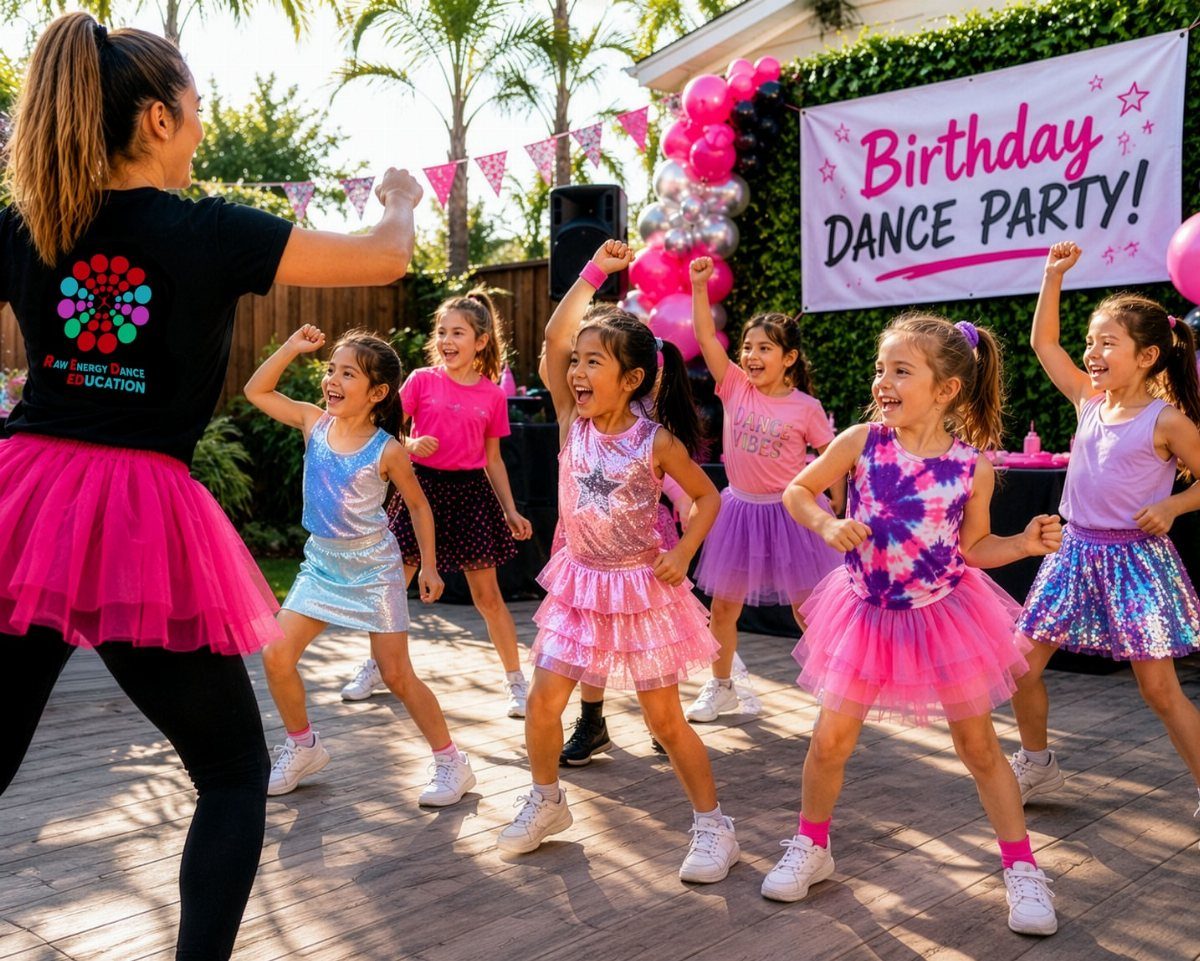
Tutus turn a patch of lawn into a dance floor, and an instructor leading the group means no child has to guess what to do.
I would hire or recruit one person to call out moves, so shy kids can copy instead of invent. Keep the songs short and the games simple: freeze dance and follow-the-leader work well.
Test the speaker beforehand so you catch dead batteries or connection problems while there’s still time to fix them.
20. Magic Show
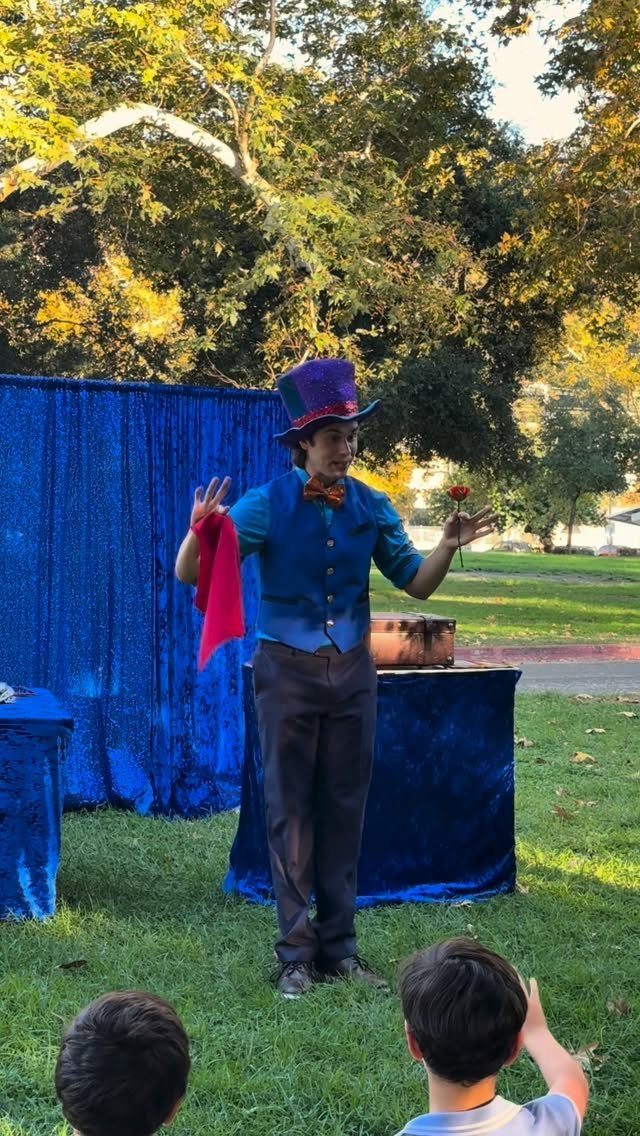
A top hat and a table of props do most of the work in a magic show, and a sequin backdrop gives the performer a stage that photographs well.
Hire a magician who works with small groups, or learn two or three easy tricks and run it yourself. A trick that pulls a child up to help keeps the rest of the audience watching.
Seat the kids close, on the ground, so nobody misses the reveal.
21. Themed Decorations Party Decor
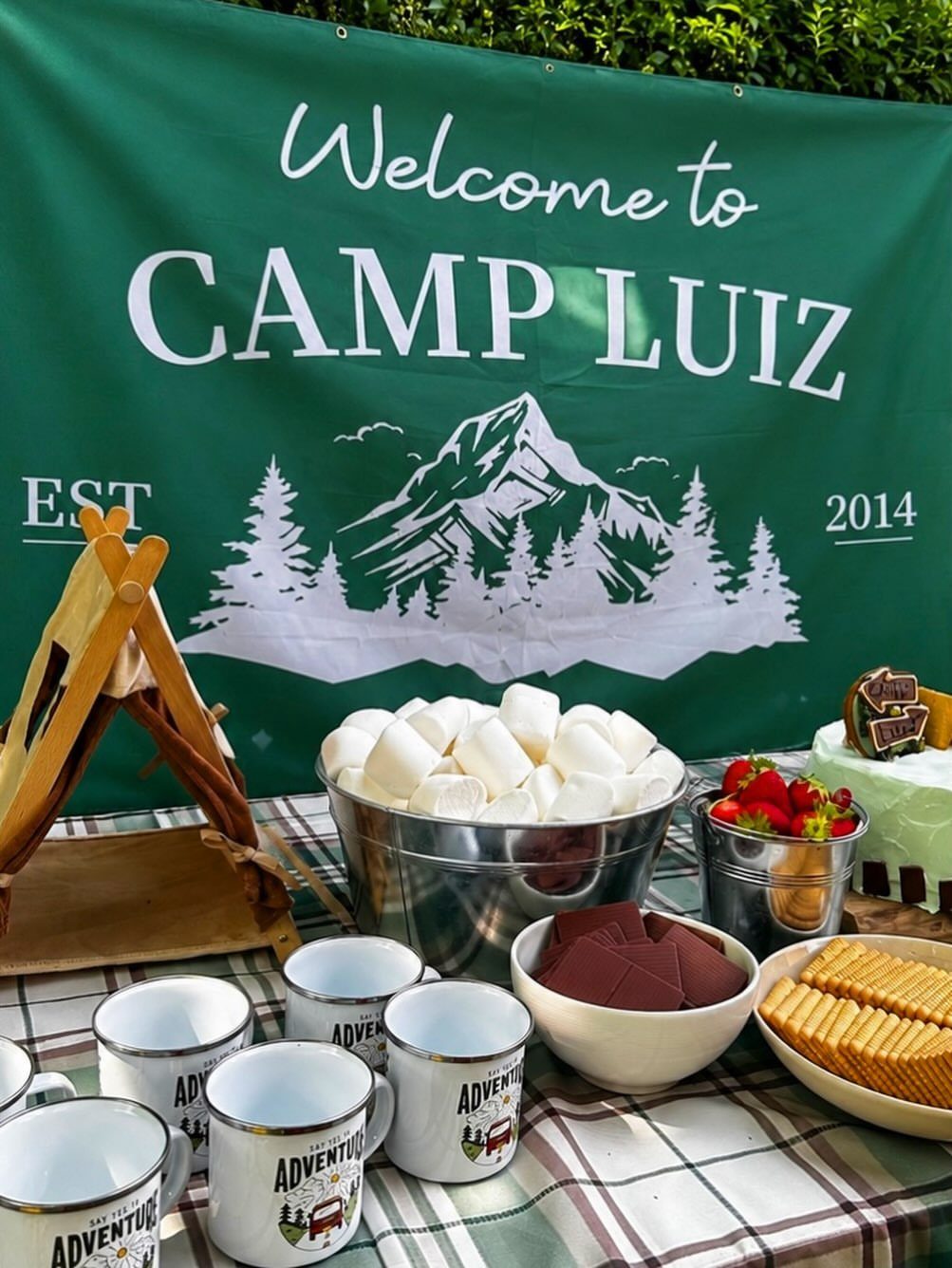
A theme is easiest to sell with one personal detail, like a banner naming the camp and the birthday year. Everything else can be simple: a plaid cloth, a mini teepee, and mugs that match the mood.
I would build the table around a snack that doubles as decor. Marshmallows, chocolate, crackers and strawberries sit out in rows, so the food and the theme are the same shopping trip.
Order the banner early, since custom names take the longest.
22. Goodie Bags
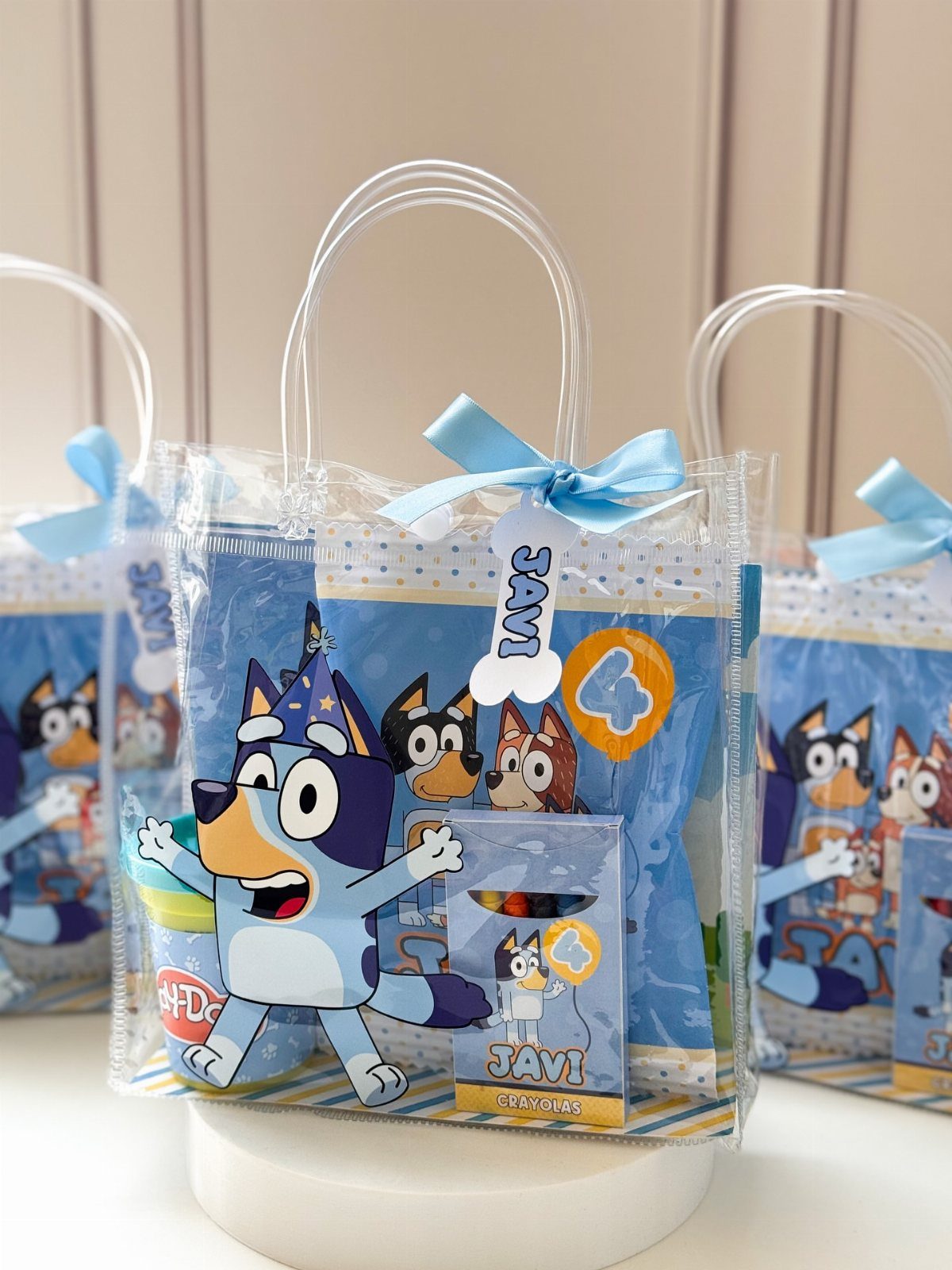
Clear bags with a blue bow and a name tag let each child see what they got before they open it.
Crayons are an inexpensive filler, and a tag with the child’s name and age makes the bag feel like a gift.
I would match the bag to the party’s character, as in these Bluey ones, then stop at 2 or 3 small items per bag. Overstuffing raises the per-guest cost without adding much.
Tie the bows last, after you count the bags against the guest list.
Budgeting for Birthday Parties
Set the total before you pick a theme, because the theme can quietly set the budget for you. Write down 4 lines: venue, food, decorations and entertainment, then add favors as a fifth.
Decide which one line matters most to your child and let the others shrink around it. If the entertainment is the draw, keep the cake simple and the decor to a banner and a tablecloth.
Divide the final total by your guest count to get a per-guest cost. That one number makes it easy to compare a home party against a venue package.
Planning Timeline
Build the day backward from the end time. For a 2-hour party, a workable order runs like this:
- 0:15 First organized game
- 0:35 Second activity
- 0:55 Craft or creative station
- At 1:15, bring out the cake and candles.
- 1:30 Final game or free play
- 1:50 Favors and goodbyes
- 2:00 Cleanup begins
Build the activity kits the night before, and set up the drink station and food table before the first guest shows up. Hang decorations and tape down signs an hour before the party starts.
Line up 2 or 3 cleanup helpers ahead of time. I would ask for them when you send invitations, not when the party ends.
Guest Count Considerations
Take your child’s age and add 1 or 2.
Fewer kids means actual playtime instead of crowd control. I would pick the lower number if your space is tight or your child is easily overwhelmed.
A heads-up 2 to 3 weeks out gives other families time to hold the date. Count the guest list before you buy anything, since food, favors and the per-guest cost all follow from it.
Frequently Asked Questions
What can I do for my 7 year old’s birthday?
Choose a single activity built around something your kid already loves to do, and let the rest of the party stay simple.
A hands-on option like a foam science party or a pizza cooking party suits this age, and so does an obstacle course or a friendship bracelet station.
What are some fun activities for a party?
Mix one main activity with a couple of simple games and a craft. A craft station such as paper plate masks or letter-bead bracelets fills the middle of the party and doubles as a favor to wear home.