Student age and minutes on the clock decide the pick: Bingo or Charades can fill 5 minutes for a tired class, while Jigsaw Puzzle Stations can carry a full period.
Supplies stay cheap, usually paper, a marker or something pulled from the recycling bin, so the real choice is which activity fits your learning goal and how many kids you can watch at once.
1. Bingo
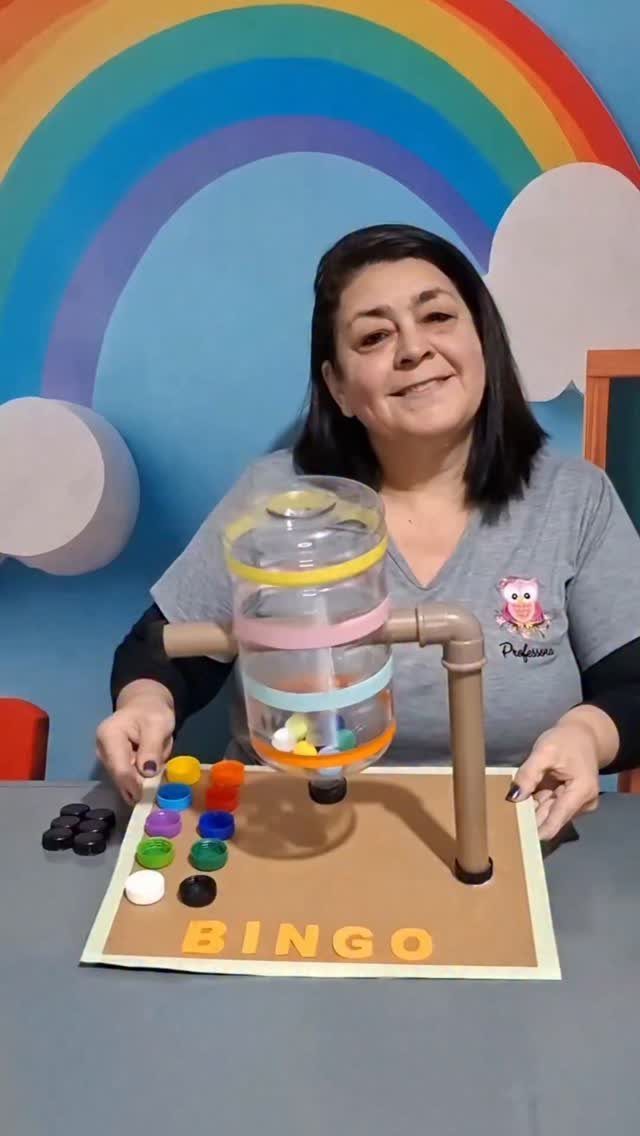
A bingo game you build yourself beats a printed card because you choose what goes in the squares.
Fill them with vocabulary words, math facts or the unit you finished last week, and the game becomes a review session students ask to repeat.
A homemade version works with a plastic jar and PVC pipes, with the letter cards printed on the base.
A jar of pulled numbers or words works for any grade. Cost is mostly what you already have in the recycling bin.
2. Charades
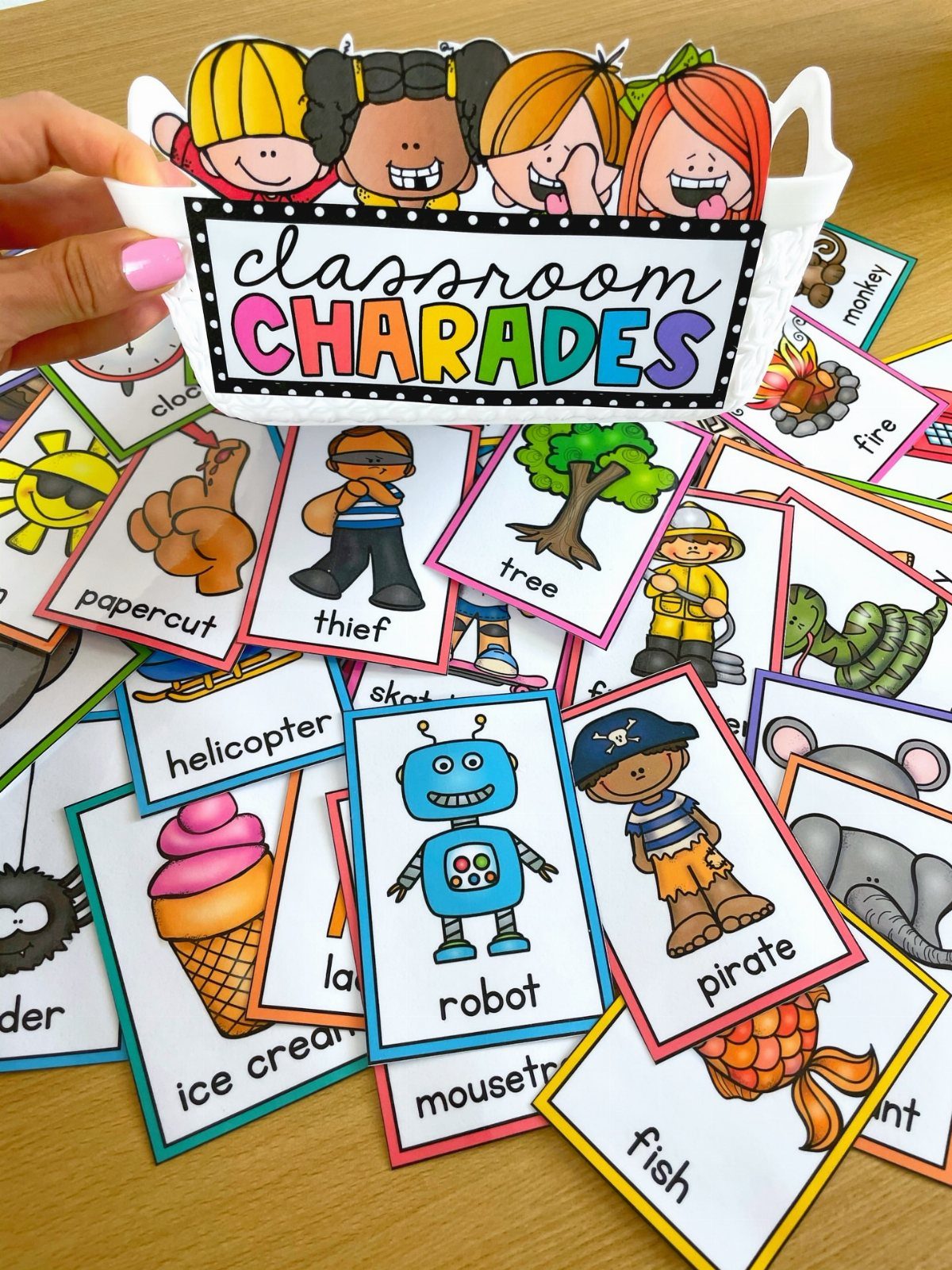
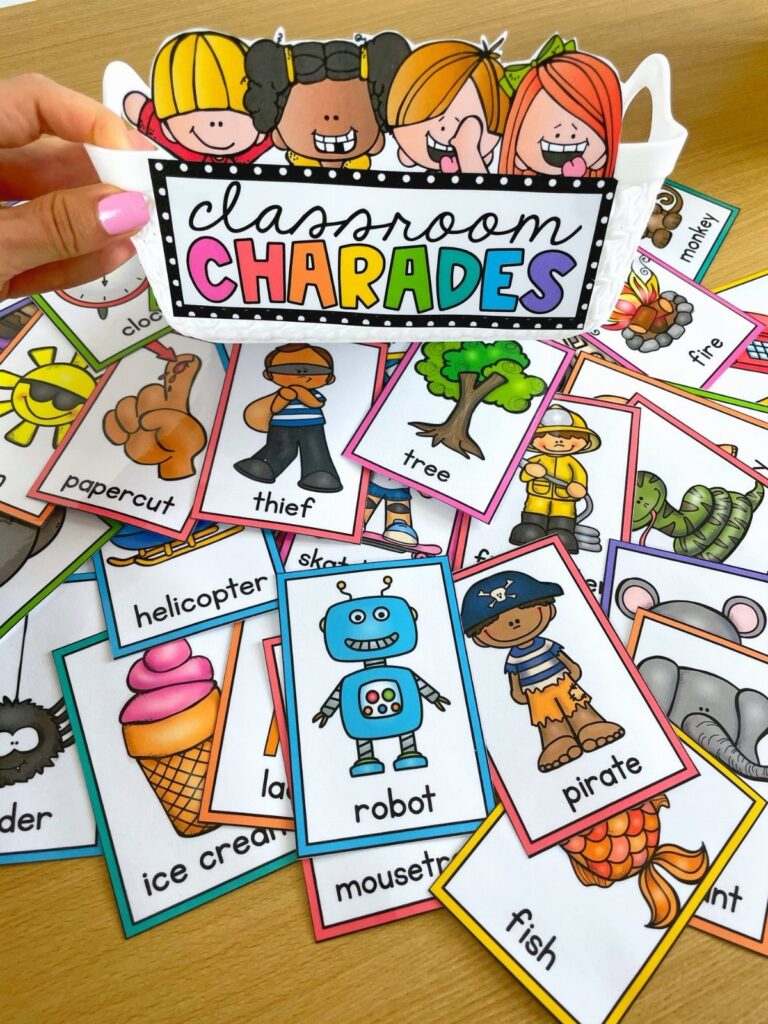
Prompt cards do the heavy lifting in classroom charades, so spend your prep time there. Draw or print simple pictures, like the robot, pirate and fish on these, and a student who can’t read yet can still play.
Split the room into teams so everyone acts or guesses.
Keep the cards in a basket and the game is ready whenever spare minutes appear. I’d swap in vocabulary words or book characters for older groups.
3. Art and Craft Activities
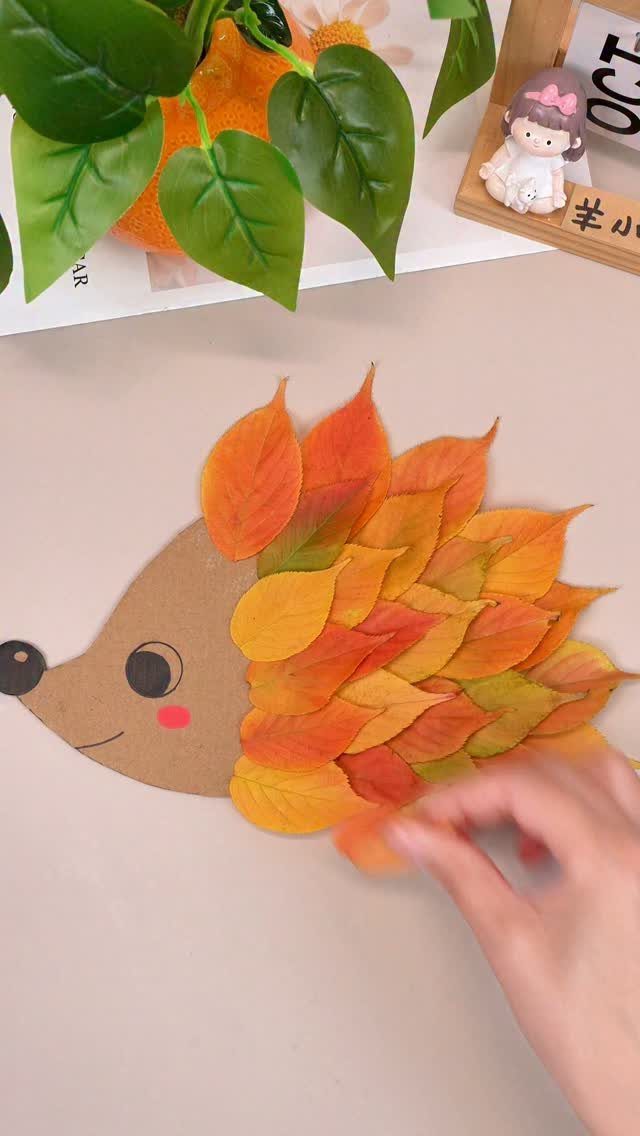
Students glue each leaf by hand, which keeps small fingers busy and gives the project a clear finish line.
Cardboard costs next to nothing, and the leaves can come from a walk outside. Pair the craft with a science lesson on seasons or a writing prompt about the animal.
4. Jigsaw Puzzle Stations
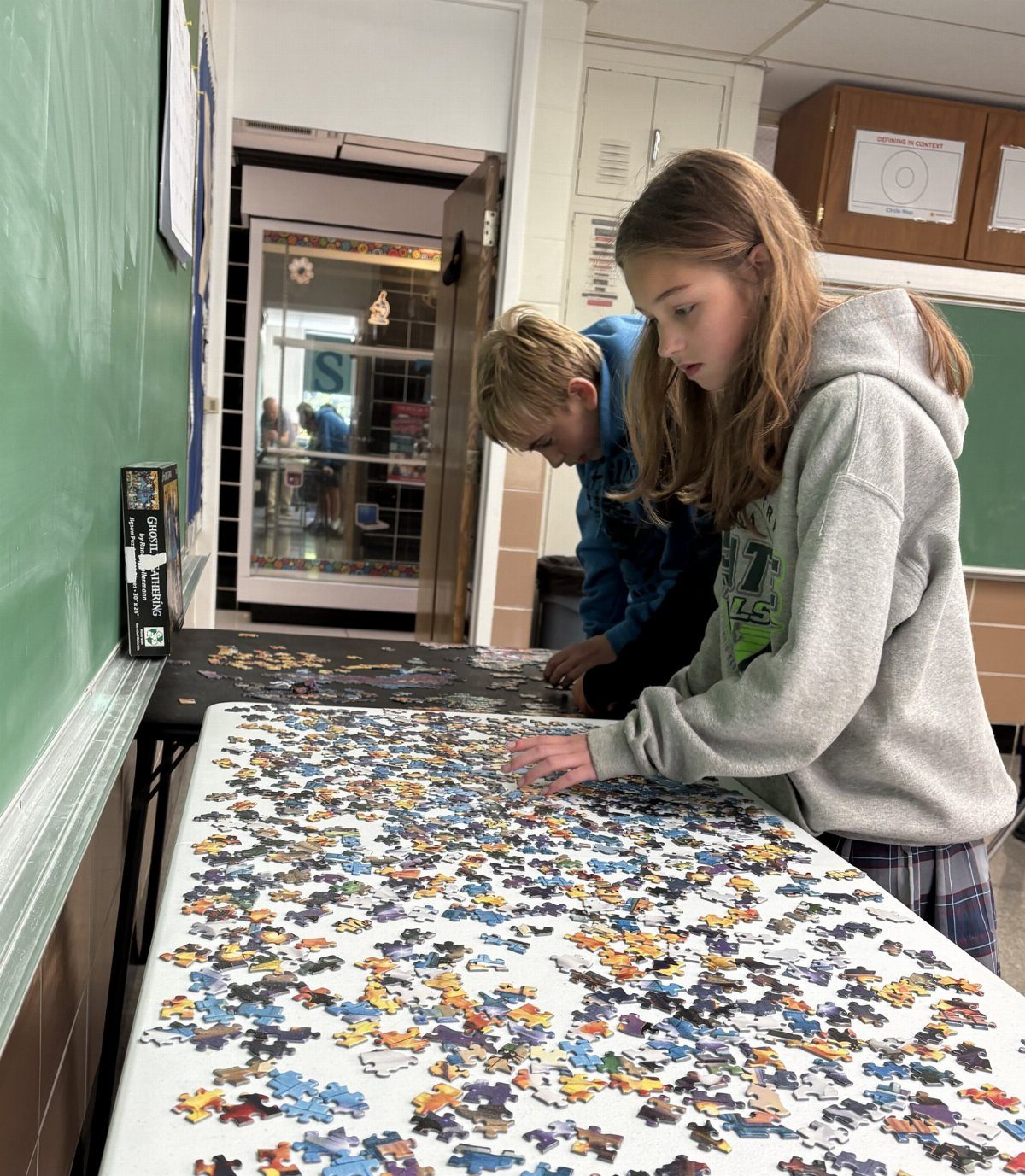
Two students bent over one large jigsaw puzzle on a white table make a quiet, cooperative station. Set a puzzle out in a corner and let pairs drop in during free time or when they finish work early.
Pick a big-piece puzzle for younger kids, since it goes together faster and holds up to handling.
Keep the box lid propped nearby so students can check the picture. Buy one puzzle and it serves the whole class all year.
5. Interactive Sticky Note Polling Wall
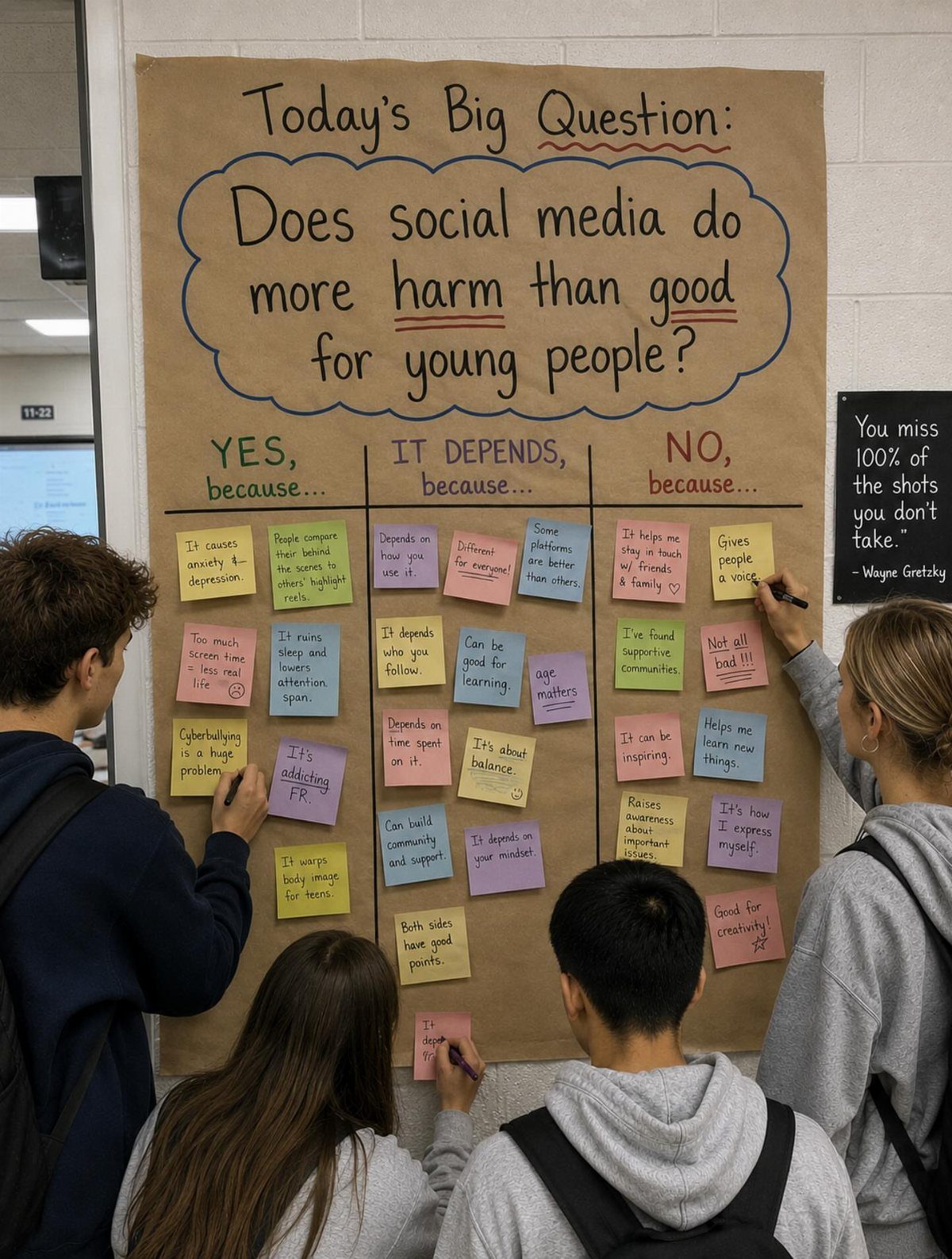
Pose a debatable question on a big sheet of paper, draw 3 columns, and hand out sticky notes.
Label them "YES," "IT DEPENDS" and "NO," as this social media poster does, and students stick a note under the column that matches their view.
I like the middle column most, since it pushes teens to explain their reasoning.
Brown butcher paper and a pad of notes cost very little. Read a few notes aloud afterward to start discussion.
6. Tabletop Card Buzzer Game
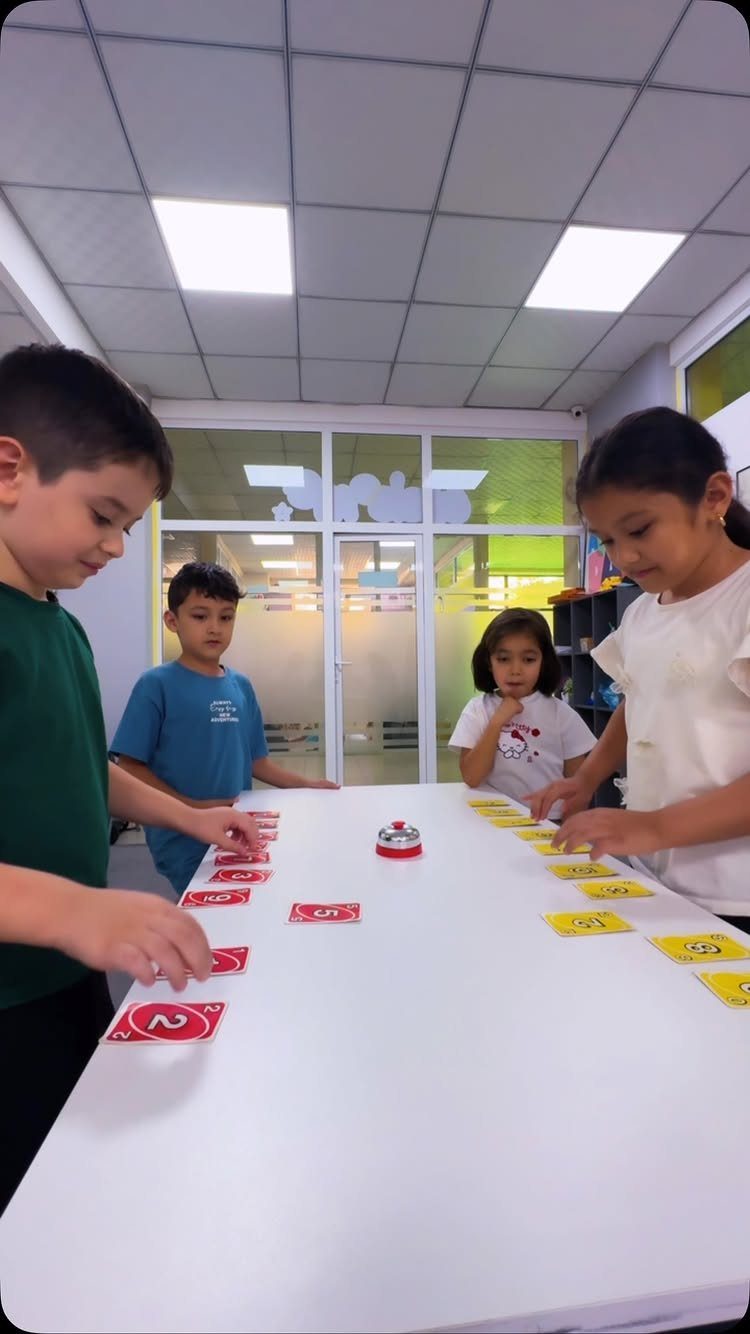
Fast rounds are what make a buzzer card game work with young elementary students. Number the cards, deal them out, and let kids slap the red buzzer when they spot a match or know the answer.
A call buzzer in the middle of the table keeps everyone leaning in.
I’d cap each group at 4 players, so no one waits long for a turn. Use number cards for math practice, or write sight words on them instead.
7. Counting Cookie Jar Activity
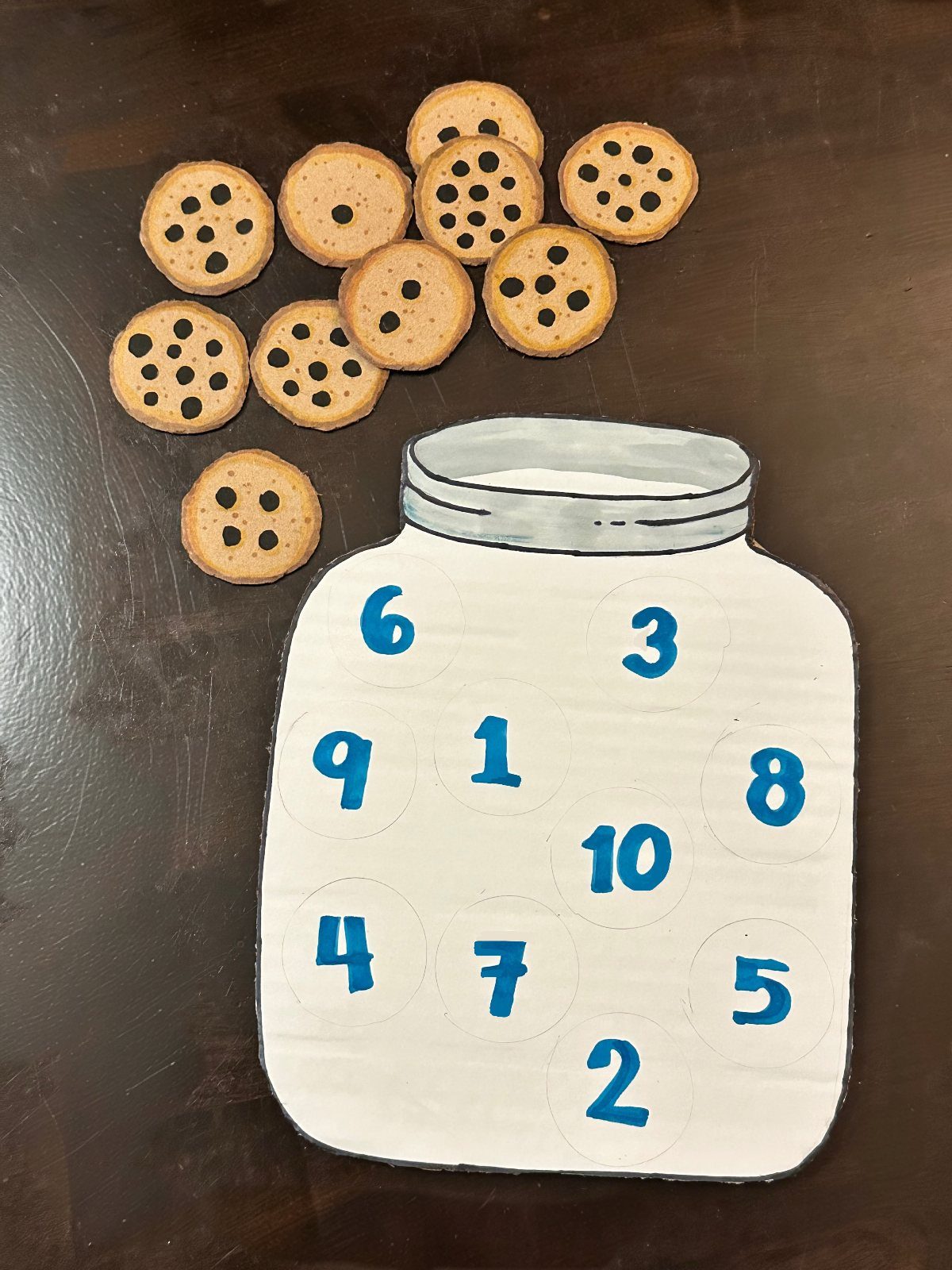
Real cookies make a counting game something kids want to finish. Cut a jar from paper, write numbers inside, and set out chocolate chip cookies for children to count onto each number.
Younger students handle one-to-one counting best when they touch each cookie as they go. I’d keep a few spares for the end, since small hands will eat the evidence.
Check for food allergies first. Paper circles or brown pom-poms work as a stand-in cookie for any child who can’t join in.
8. Paper Plate Alphabet Matching
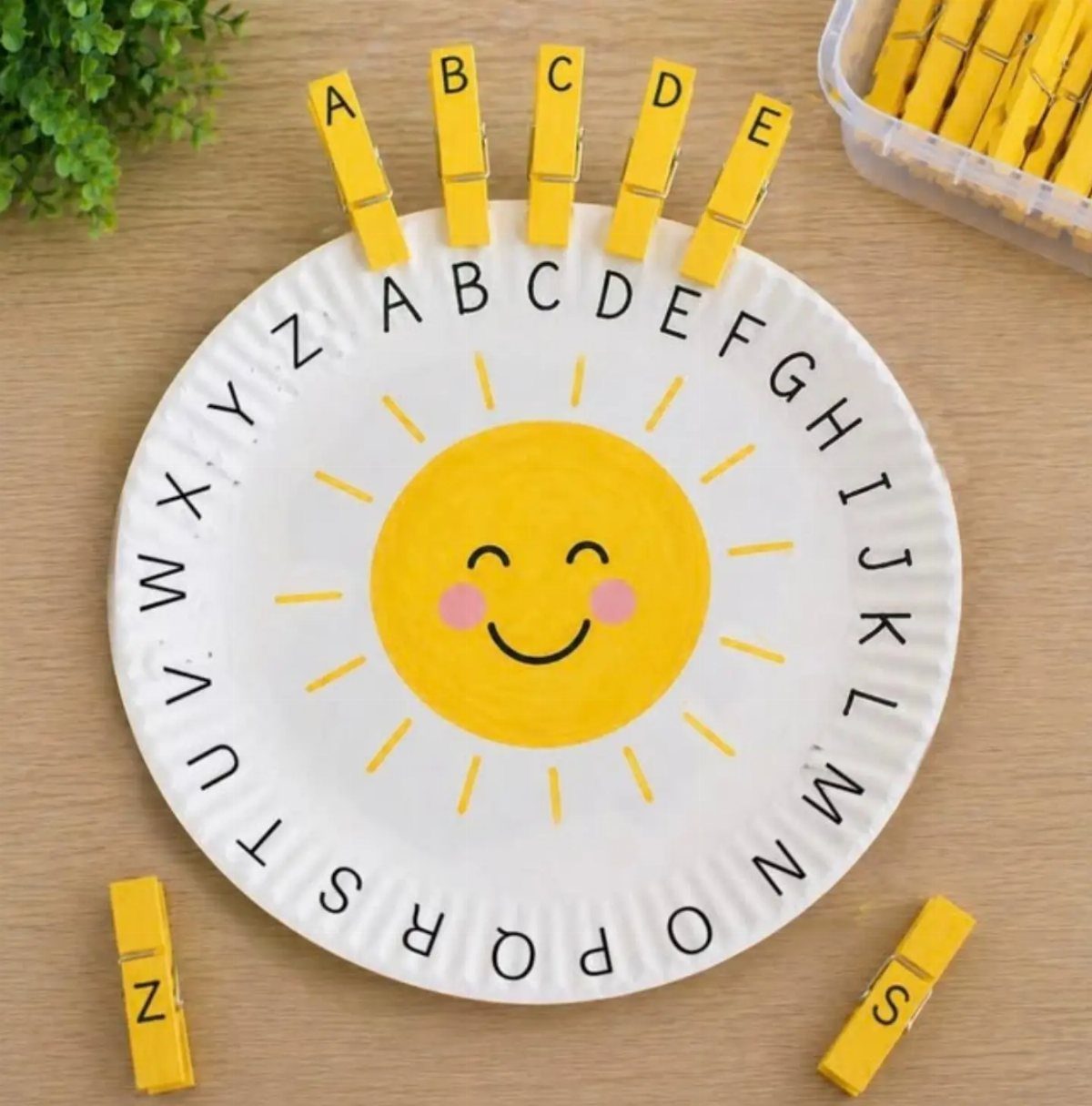
Matching lettered clothespins to a letter on a plate rim is a small, quiet game that teaches letter recognition.
Write A–Z around a paper plate, add a simple sun face in the middle, and mark clothespins with the same letters.
A child reads the clothespin, finds its twin on the rim, and clips it on. Squeezing the pins also builds finger strength for early writing.
Use a permanent marker so the letters survive repeated play.
Start with 7 or so pins, then add more as kids get confident. Paper plates and clothespins cost very little.
9. Table Talk Discussion Cards
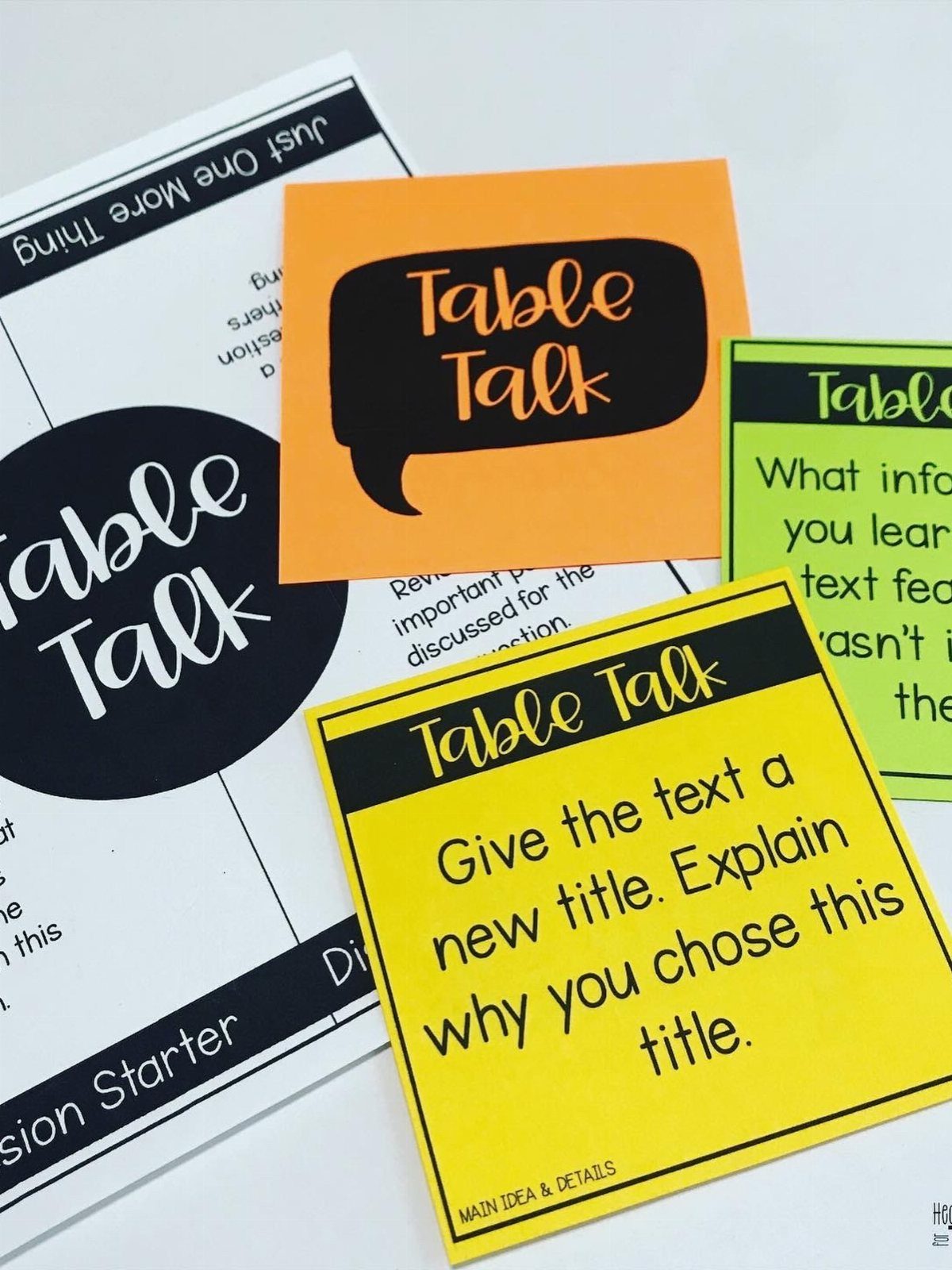
Open-ended prompts get quieter students talking. A card that asks a group to give a text a new title and explain why has no single right answer, so every voice counts.
Print prompts on colored card stock, cut them apart, and let each table draw one. I like pairing the cards with a short worksheet, so students jot their reasoning before they speak.
Reuse the same deck with any reading passage. Keep the groups small so everyone gets a turn to answer.
Benefits of Classroom Games
Games work on more than one problem at once. Students who like the room they walk into show up ready to work, and that holds for middle school and older grades too, not just the little ones.
A short game also works as a brain break. Even a few minutes lets a tired class reset before the next lesson.
Games that need critical thinking teach cooperation as a side effect, because partners have to agree on an answer. Retention improves as well, since students remember what they practiced in play.
Keep one game in your back pocket for the odd extra minutes at the end of a day. A planned filler beats scrambling for one.
Some pressure to make up lost learning pushes teachers away from play. I’d hold onto it anyway, tied to a lesson goal, because it carries real learning.
Choosing Activities
Start with the learning goal, then pick the activity that serves it. If a game doesn’t practice the skill you’re teaching, it’s a reward, which is fine, but call it that.
Next, count your players. Whole-class games and small-group stations need different setups, so match the activity to the number of students you can actually supervise at once.
Then check the clock. Decide whether you have 5 minutes or a full period, and choose something that can start and finish inside that window.
Good activities also build skills students use outside the classroom, like listening, taking turns and explaining their thinking. When two options fit your goal, I’d pick the one that does more of that.
Incorporating Technology
Technology earns its place when it takes over a chore. Automated scoring is the clearest case: no tallying on the board, and no arguments over the count.
Digital tools also let students who join remotely play along with the room, which a paper game can’t do. Instant visual feedback is another gain, because students see right away how the class answered.
Pick one familiar game and add one digital piece, rather than rebuilding everything. A classic like bingo or Pictionary keeps its rules, so students already know how to play.
Test the tool before class, and keep a paper backup in case the connection fails.
Frequently Asked Questions
What are some fun indoor games for kids at school?
Bingo, charades and a tabletop card buzzer game all work well indoors. Bingo with squares filled by vocabulary words or math facts doubles as review, while picture prompt cards let kids who can’t read yet join charades.
Buzzer games run smoothest in small groups: deal out numbered cards, let kids slap the buzzer on a match, and keep each team to 4 players so turns stay short.
What are some fun activities for students to do at the end of the day?
Pick one game you can start and stop in a few minutes, like charades with a basket of prompt cards or a bingo round using words from the week.
A quiet jigsaw puzzle corner also suits students who finish early, and one puzzle serves the class all year.
What are the best hobbies for students in school?
Hands-on, low-cost pastimes fit best: puzzles, crafts and word or number games.
A big jigsaw puzzle on a table suits pairs who want something quiet and cooperative. Simple crafts, like gluing leaves onto a cardboard animal, keep small fingers busy and end with a finished piece to show.
How can I make my class fun?
Tie a game to the lesson goal, since play that practices the skill carries real learning. Size the activity to the group and the clock, since a 5-minute game and a full-period project call for very different setups.
A sticky note polling wall with YES, IT DEPENDS and NO columns gets teens explaining their reasoning, and discussion cards give quieter students a turn to talk.