The 8 hunts below range from a detective kit with clue cards to a single plush toy tucked on a shelf, and the grade you teach decides which one fits.
Younger kids do best with picture clues they can match without reading a word; older students can take on geometry cards that ask them to solve for an unknown angle.
Pick the clue format your students can already read or solve, whether that is a picture checklist, a text features hunt or a wall of geometry problems, and the rest of the setup gets simpler.
1. Nature Scavenger Hunt
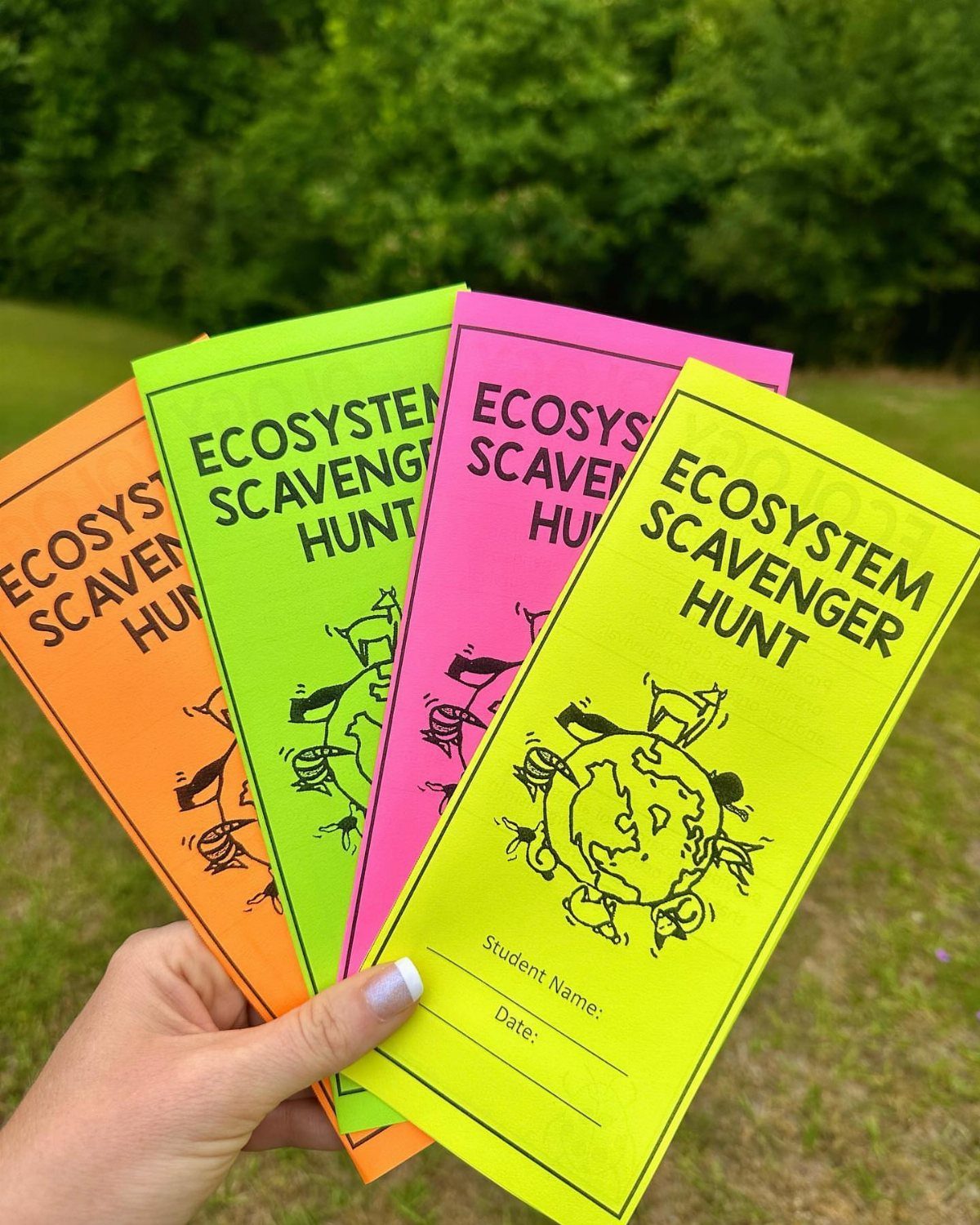
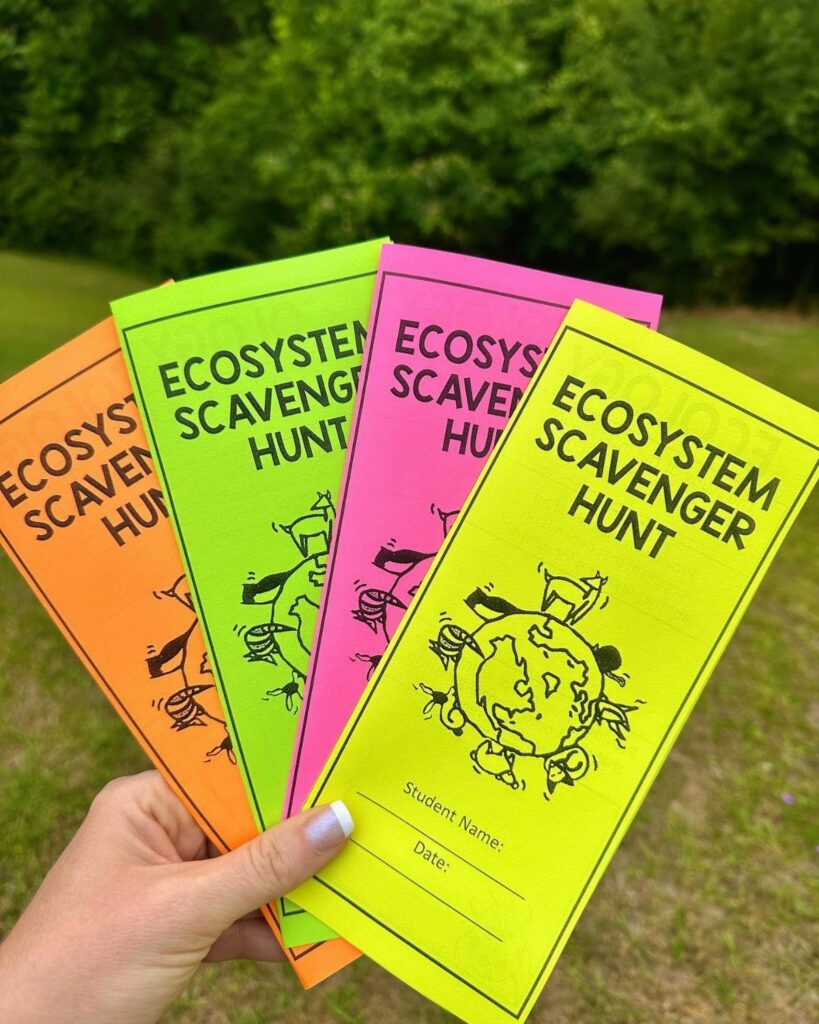
Ecosystem worksheets turn a walk around the schoolyard into a data-collection task. Printing each sheet on a different neon color makes it easy to assign groups, and nobody has to ask which sheet is theirs.
Keep the list short enough to finish in one outing. I like pairing each sheet with a clipboard so students can write standing up, and a pencil tied on with string saves you from hunting for lost ones.
Plan a few minutes back inside to compare findings.
2. Nonfiction Text Features Hunt
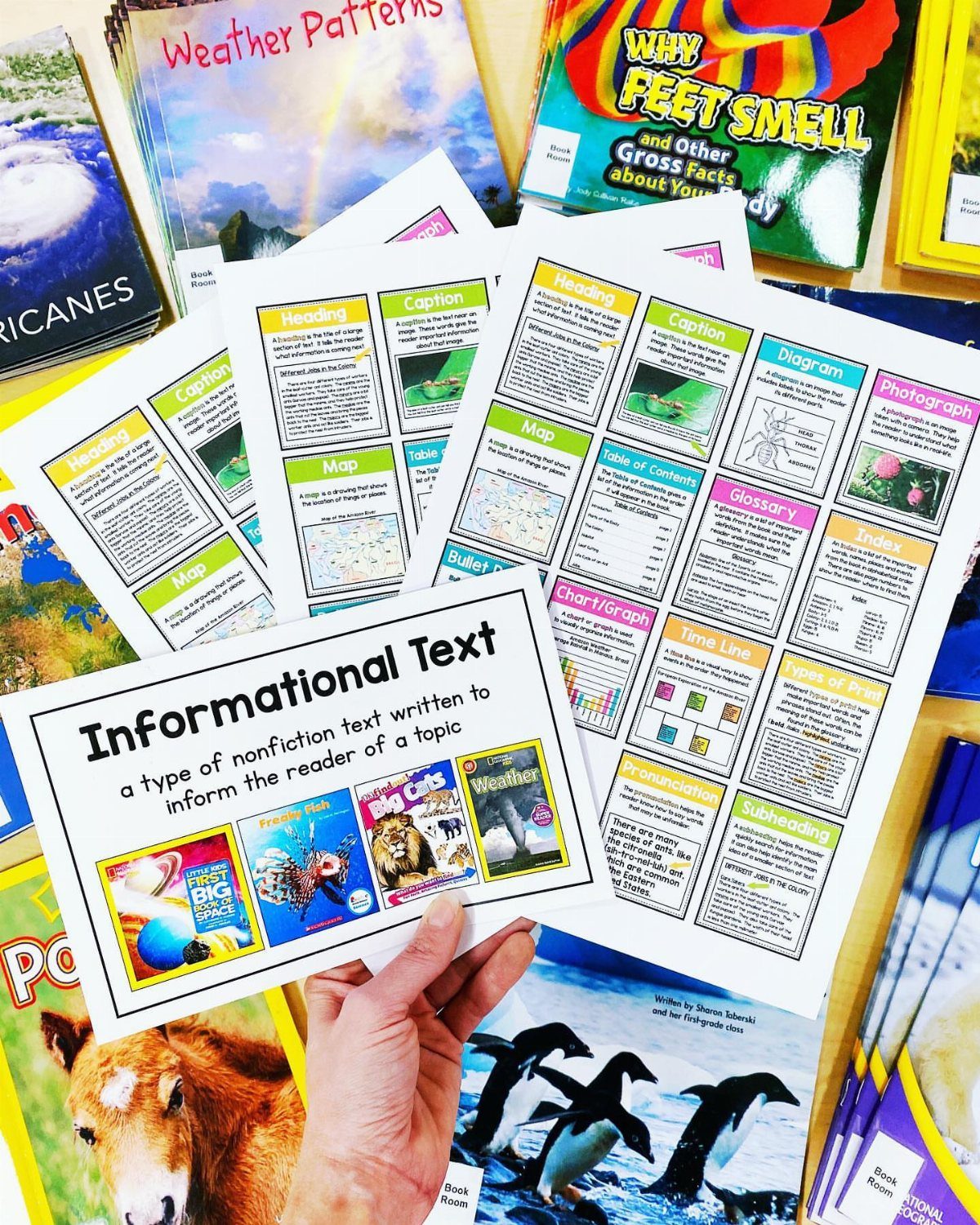
Text features stick when students have to find them in a real book, not just match definitions on a worksheet.
Ask students to locate one example of each feature and record the page number. Then have them explain what the feature told them that the paragraph did not.
That last step is where the analysis happens, so I would not skip it.
3. School Supply Picture Checklist Hunt
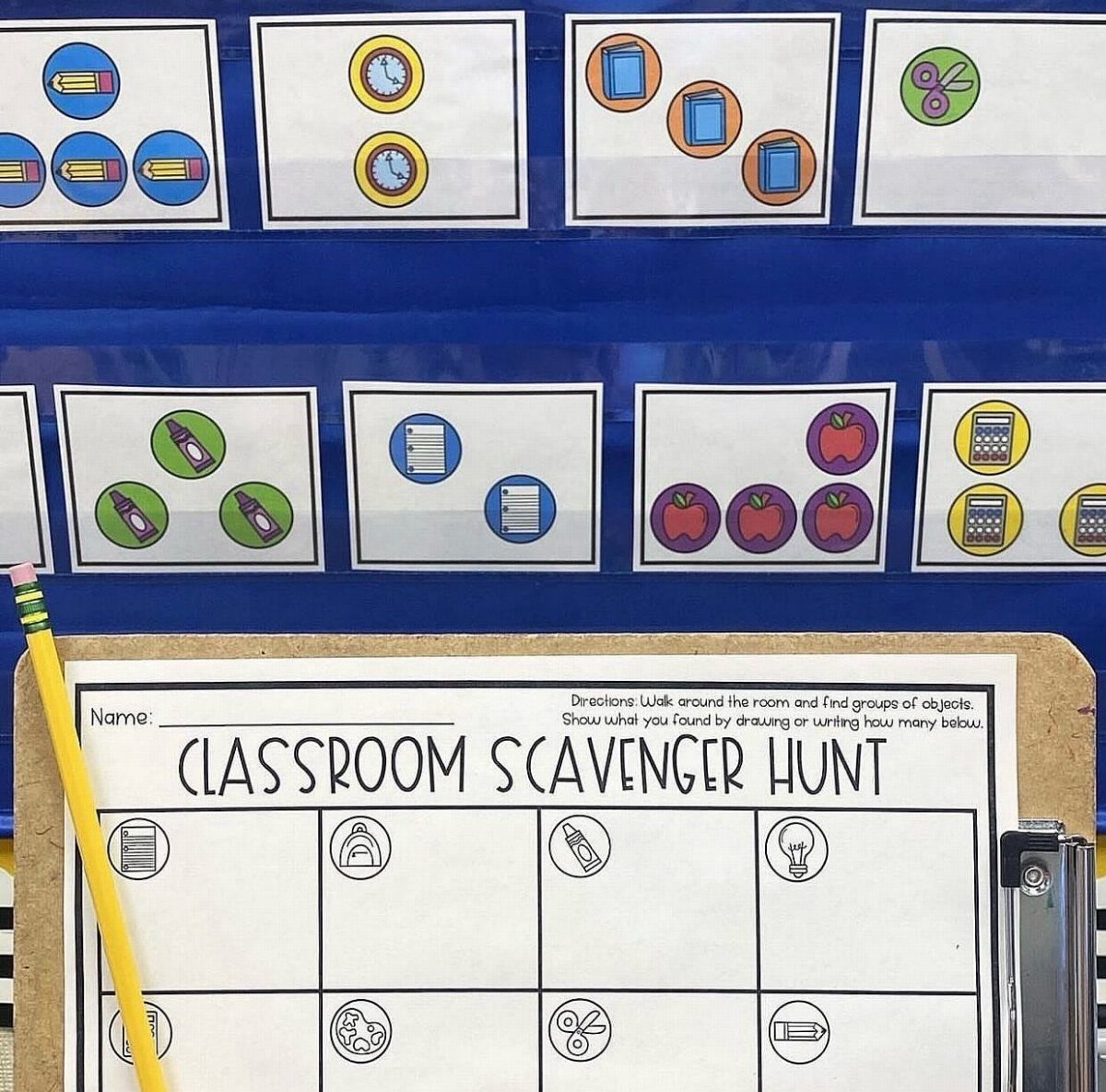
Picture icons make this the friendliest hunt for early readers, since a child can match a drawn pencil or glue stick without decoding a single word.
Print a checklist with the icons, then hang matching clue cards in a pocket chart.
Give each student a clipboard and a pencil, and have them tick off each supply once they find it.
Laminate the cards if you plan to reuse the hunt next year; it costs a few minutes now and saves reprinting.
4. Detective-themed Clue Hunt Kit
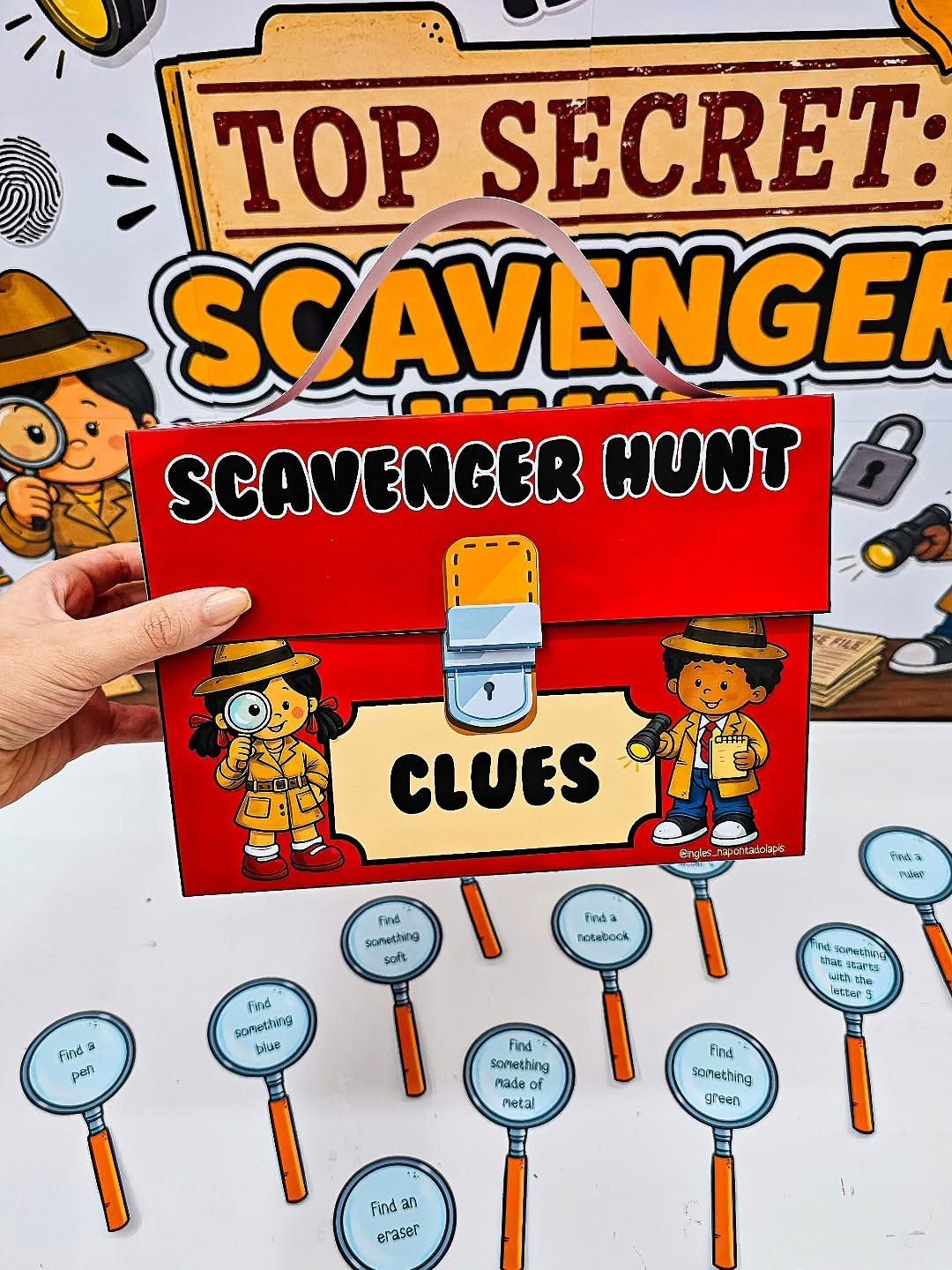
A paper briefcase stamped "TOP SECRET" does half the work of getting kids invested. Fill it with magnifying glass clue cards, each one pointing to the next hiding spot in the room.
Write the clues so they lead in a single chain, and number the backs of the cards so you can check the order before students arrive.
Decide how many clues a team can handle in the time you have; fewer, better clues beat a long trail that fizzles.
Keep the briefcase shut until the moment the hunt begins, because that one sealed object does half the work of building suspense.
5. Geometry Problem Wall Hunt
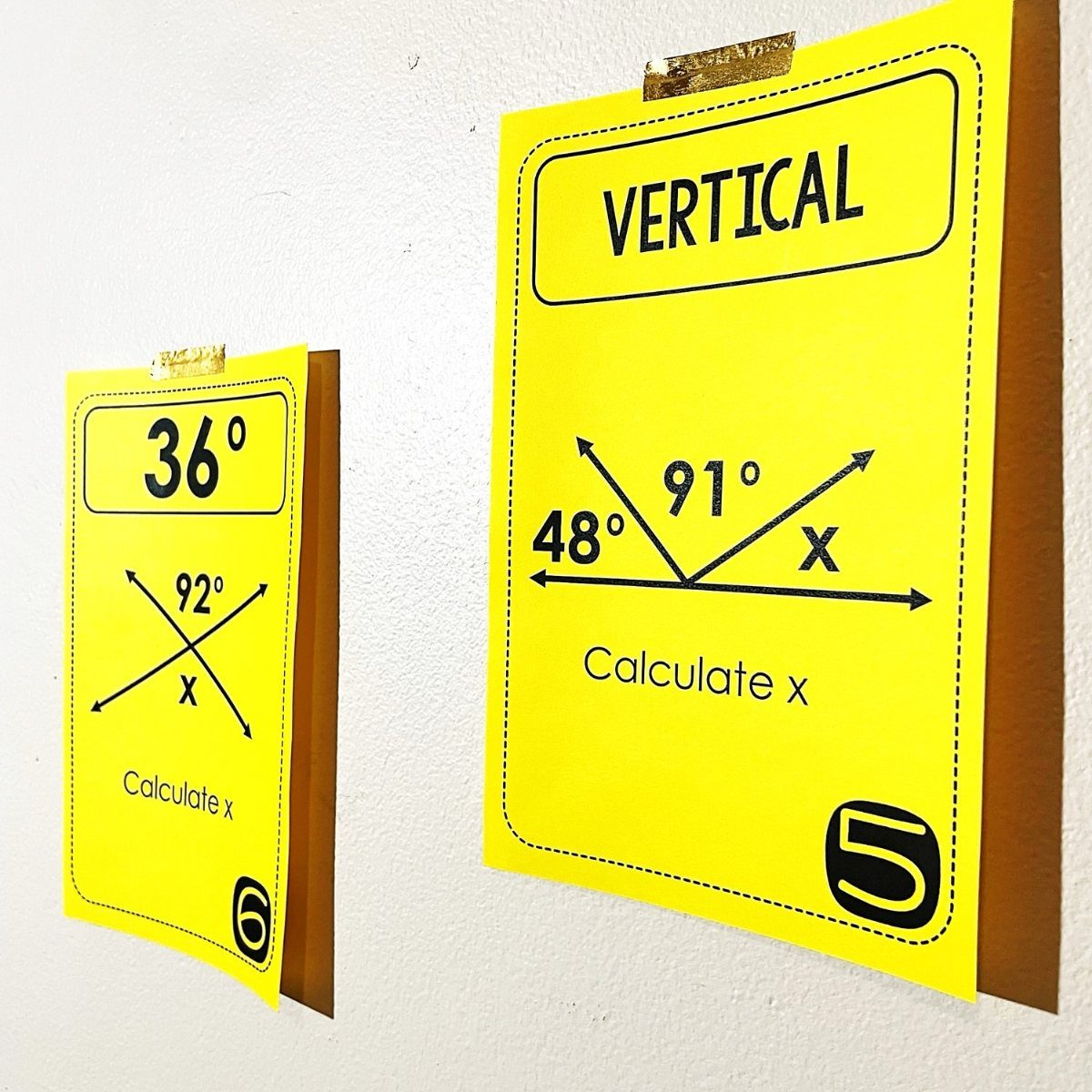
Cards taped at different spots around the room send students out of their chairs, and each one still asks for actual geometry. Each yellow card carries one diagram and one prompt, such as calculating x from given angles.
Number the cards and give students an answer sheet with matching numbers, so they can start at any card and avoid crowding at one wall. Bright paper helps the cards stand out against white walls.
Keep an answer key at your desk, and have students check their work after they finish the circuit.
6. Library Book Scavenger Hunt
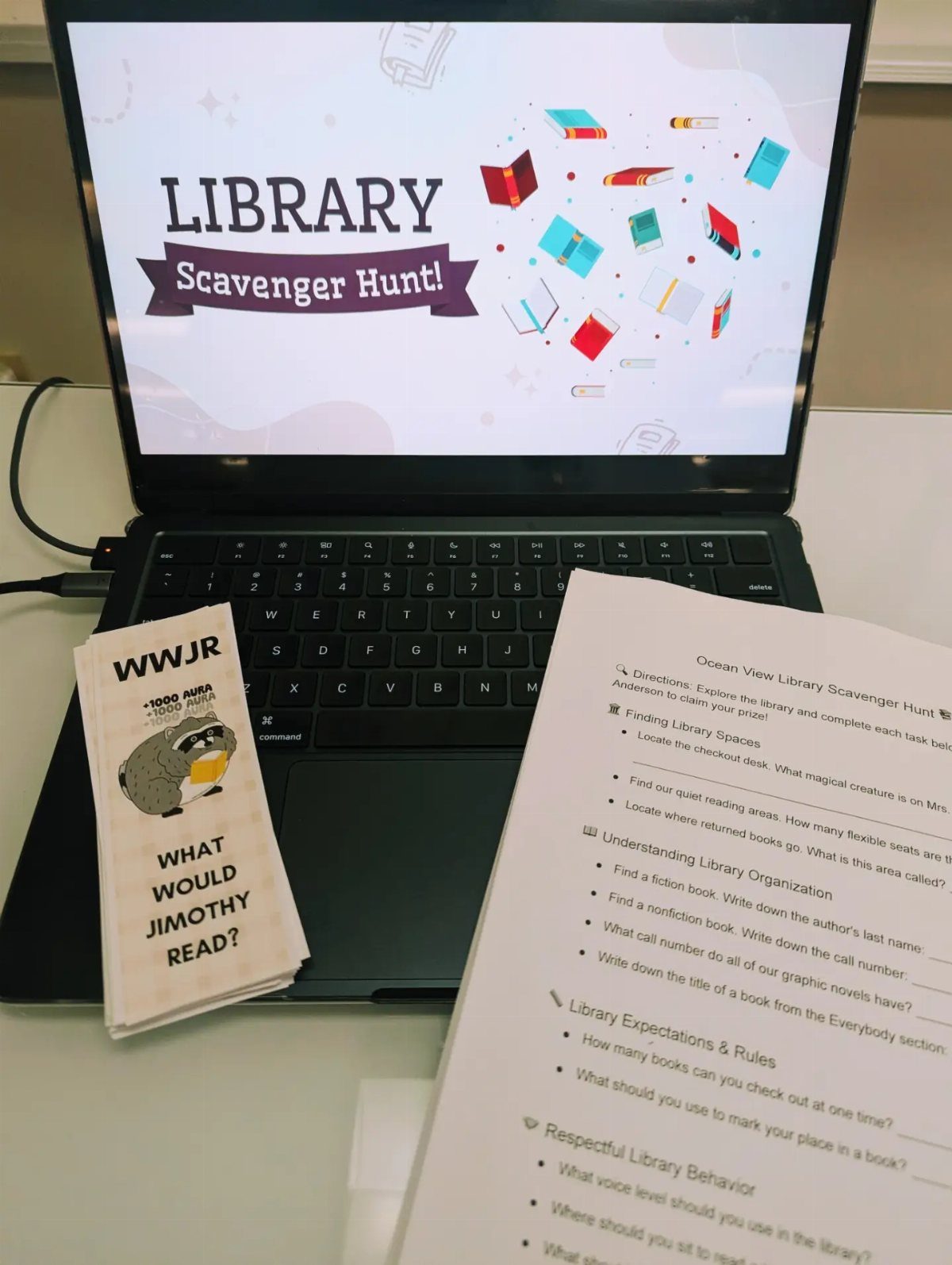
Library orientation works better as a hunt than a lecture. A short slide deck sets the rules, and a printed checklist sends students to find specific things on the shelves.
I like adding a recommendation card, a prompt such as "What would you read?", so each student leaves with a book they chose. That turns a scavenger hunt into a reason to check something out.
Write checklist items that match how your library is actually arranged, and walk the shelves yourself first.
7. Shape Hunt Activity Table
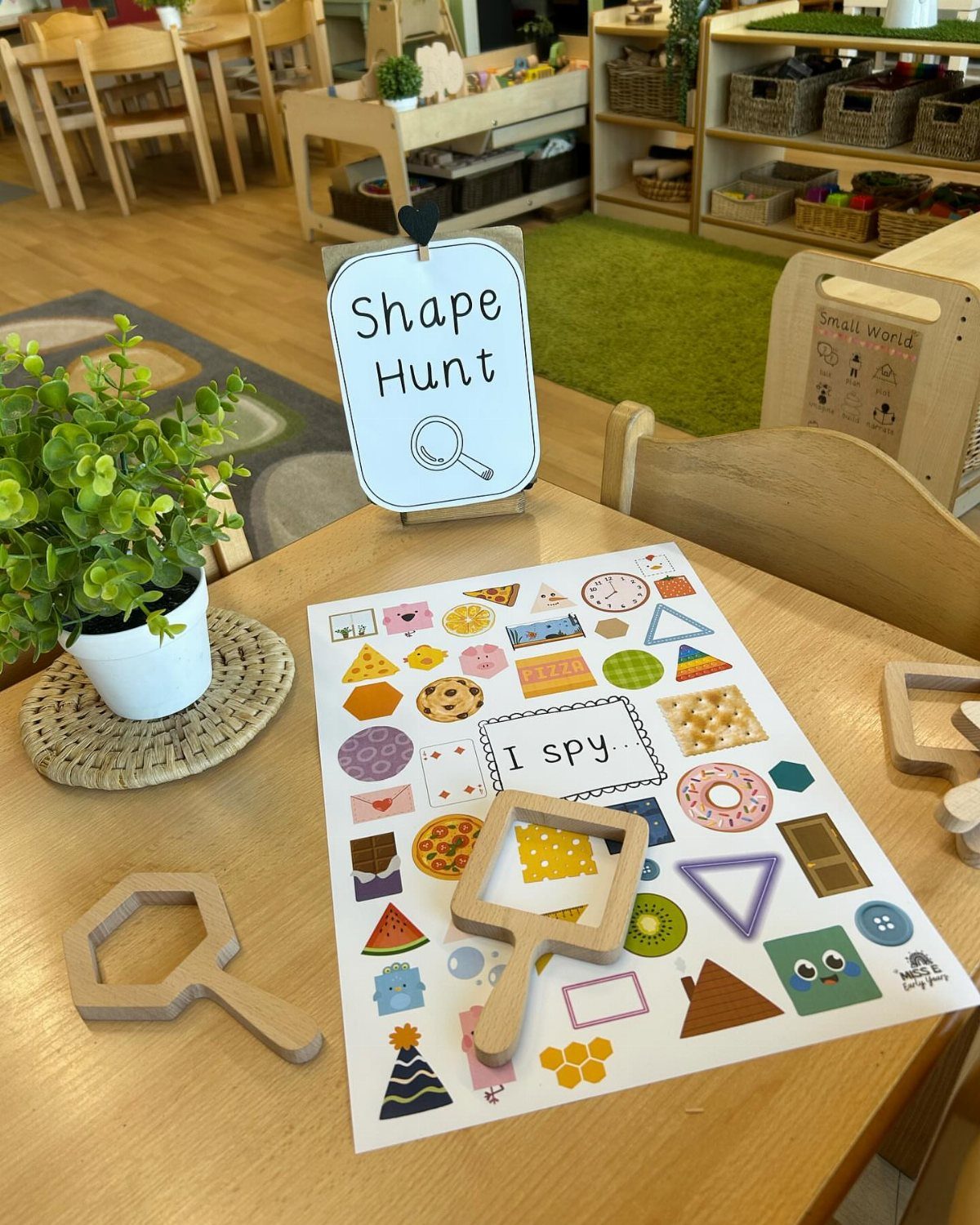
A small table with a "Shape Hunt" sign and a stack of "I spy" sheets works as a station, not a whole-class event, so a few students can rotate through while you teach others.
The wooden magnifying glasses give kids a reason to look closely at the room.
Print one sheet per child and keep the shape list short enough to finish in one visit. Pick shapes you know are visible from where students stand, and check that before you print.
Set the table low, at child height, so nobody has to reach.
8. Plush Toy and Clue Cards Hunt
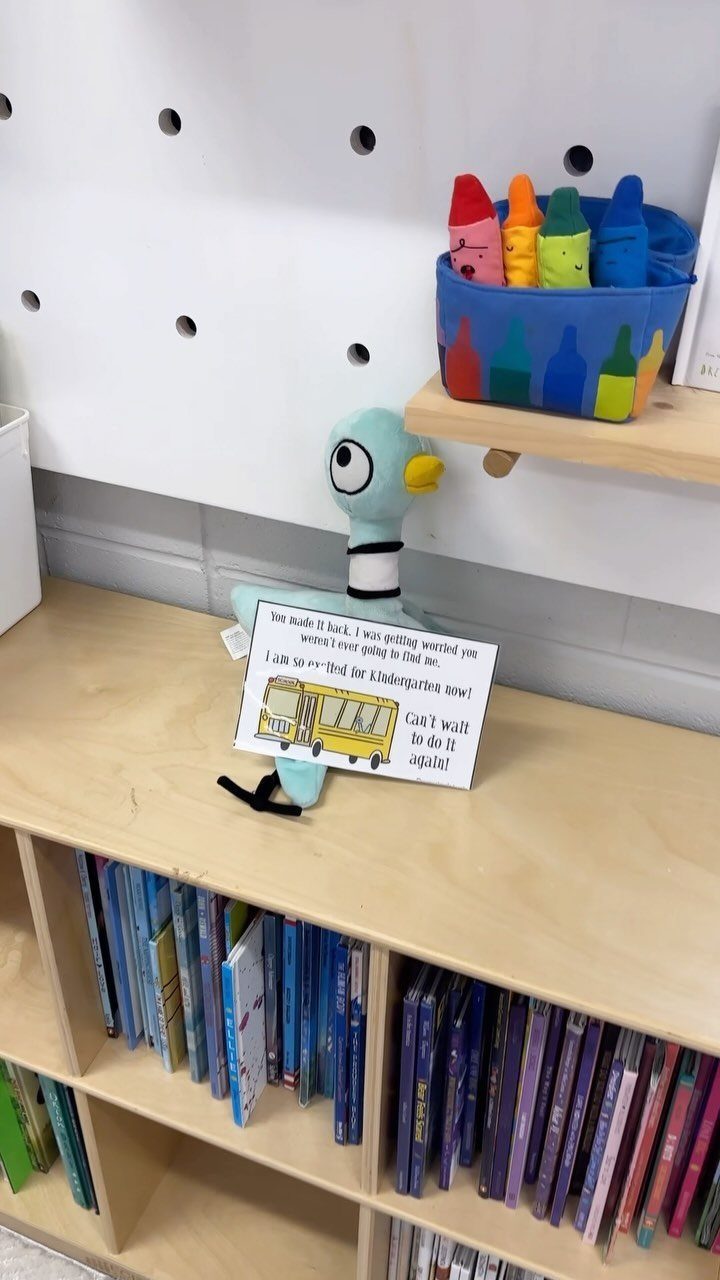
One small plush hidden on a bookshelf, with a picture clue card beside it, is about as low-prep as a hunt gets.
The card shows a drawing of the next place to look, so early readers can follow it without decoding words.
Make one card per stop and tuck each plush where a child can spot it without climbing or moving things. A single toy per shelf keeps the trail clear.
Hide the pieces before students arrive, then walk the route once yourself to confirm every card points somewhere real.
Creating Effective Clues
Riddles land cleanly when the answer is a term or fact students already met in a unit, so the puzzle checks recall instead of asking for a guess.
A clue that points to a spot through a science or geography idea makes them reason their way there, and a place value riddle can do the same for math.
Keep the wording at your class’s reading level, and read each clue aloud to a colleague before the hunt. If a grown-up needs two tries, a fourth grader will need ten.
Writing riddles is slow. Let students write their own as an extension, since building a clue takes more thinking than solving one.
An AI tool can also draft a first batch if you edit it. Check each answer against your room before printing.
Planning the Hunt
Settle on one objective before you write a single card. Reinforcing a concept, introducing a topic and building teamwork call for different designs, and a hunt that tries all 3 usually does none well.
Set ground rules before anyone leaves their seat.
Decide how many students can stand at one card, and for a chatty class, add a rule that they only talk to their own team. Backward plan: picture where learning could break down, then write a rule for it.
Have a plan for early finishers. Give early finishers a short writing prompt that ties back to the lesson objective, and they will stay busy while the slower teams catch up.
Incorporating Technology
QR codes can deliver the clues.
Each code can link to a short video, or show a GIF when students solve a clue correctly. A free site like QRStuff.com makes the codes, so a paper hunt converts in one sitting.
Link a Google Form at each stop so students can type in an answer and see right away whether it was correct. Another option is asking students to snap a photo of what they found and show you as proof.
Devices are not a barrier.
With only a handful of Chromebooks or iPads, pair students up or form small groups so each device gets shared. Paper is fine too when everyone needs a break from screens.