Age sets the pick: a toddler does best with a table-height Water Sensory Bin or the Backyard Slide Splash Pad Setup, while older kids can handle the Towel Water Balloon Toss, which only works when 2 kids move together.
The range runs from a quiet Water Sensory Bin to bat-and-balloon games like Water Balloon Tee Ball on the lawn, and most need nothing beyond buckets, cups and towels.
Even the simplest setup comes with one fixed rule, an adult watching the water the whole time.
1. Plastic Bottle Sprinklers
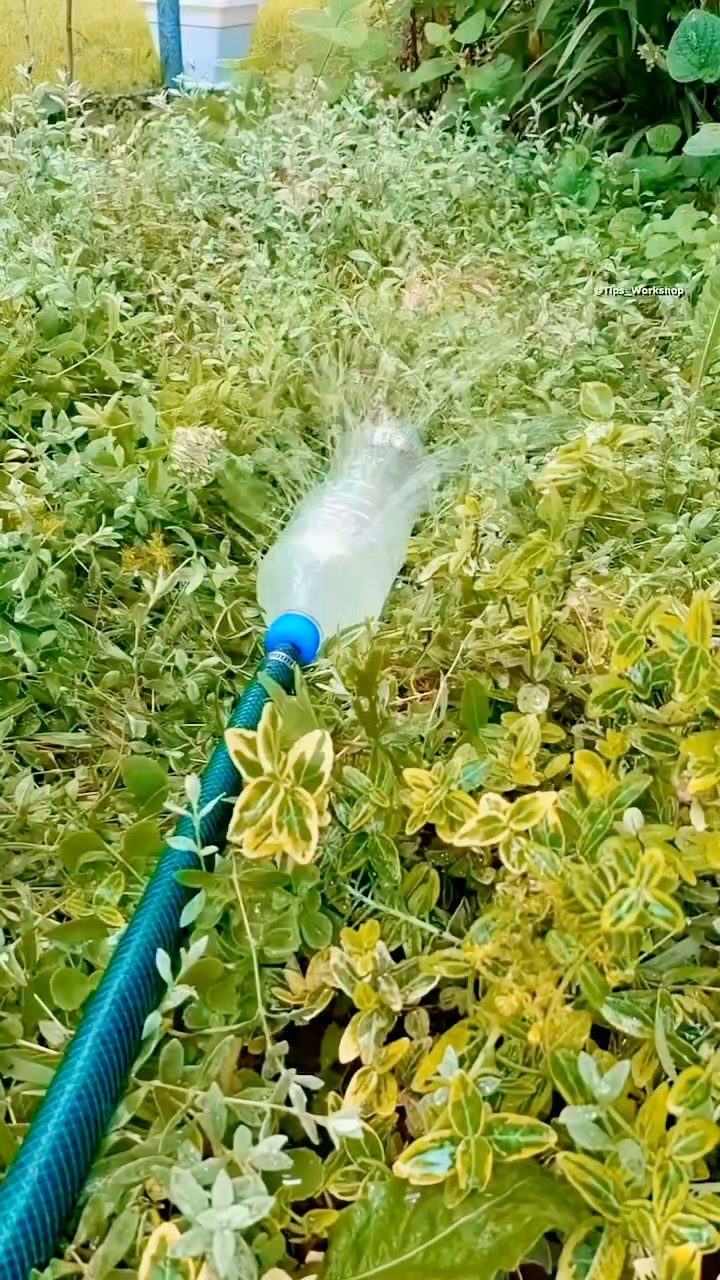
A bottle sprinkler costs almost nothing, and the maker’s own description promises 360-degree coverage from a single bottle.
That means kids can run around it from any side, which suits a yard with a hose and a bare patch of lawn.
Poke the holes with an adult doing the work, and sand any sharp plastic edges before the bottle goes near small hands. Test it on low pressure first, then raise the flow once you see where the spray lands.
I’d set it up away from the garden beds, since a soaked flower bed is a different kind of water day.
2. Car Wash
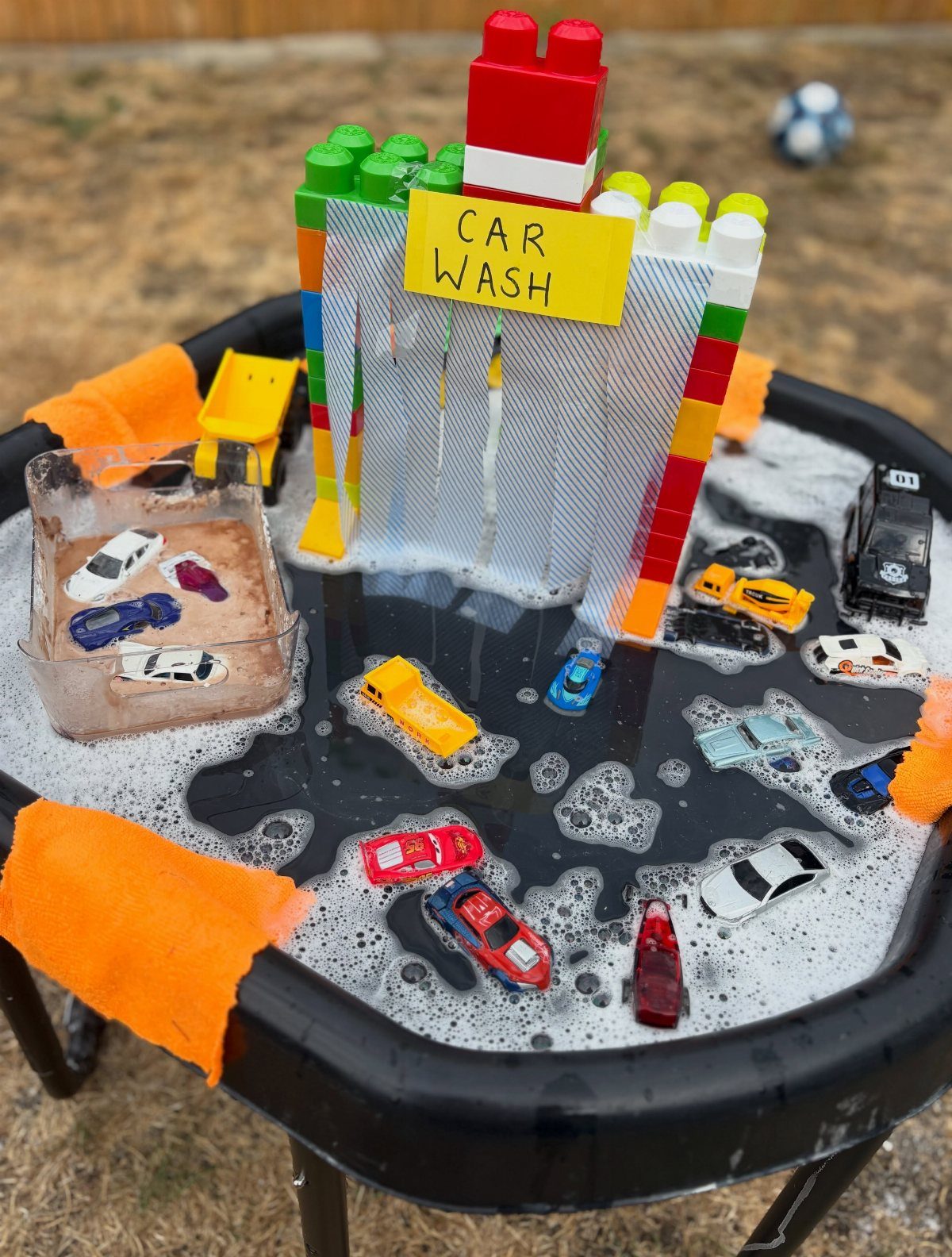
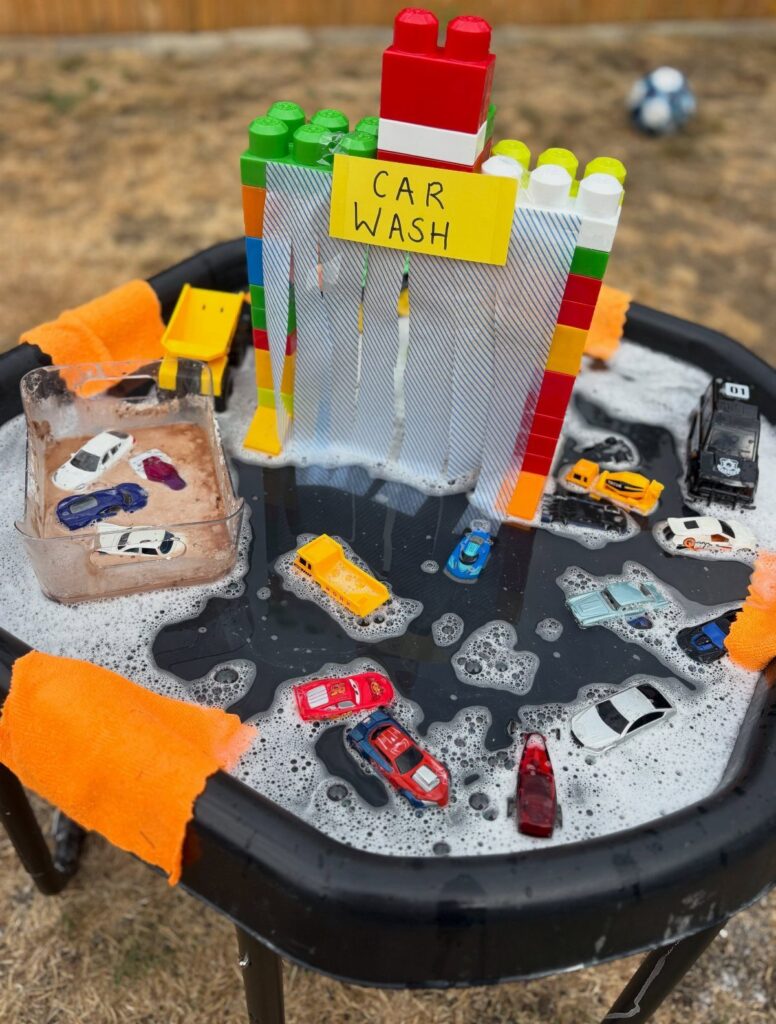
Toy cars, a tub of soapy water and a few cloths make a car wash small enough for a table, so even the youngest kids can run it without a hose.
A handwritten sign adds to the fun, and a building-block garage or tunnel gives the cars somewhere to roll through.
Bikes work for older kids, but toy cars keep the mess on one surface. I’d use a few cloths per child so nobody waits.
3. Ice Excavation
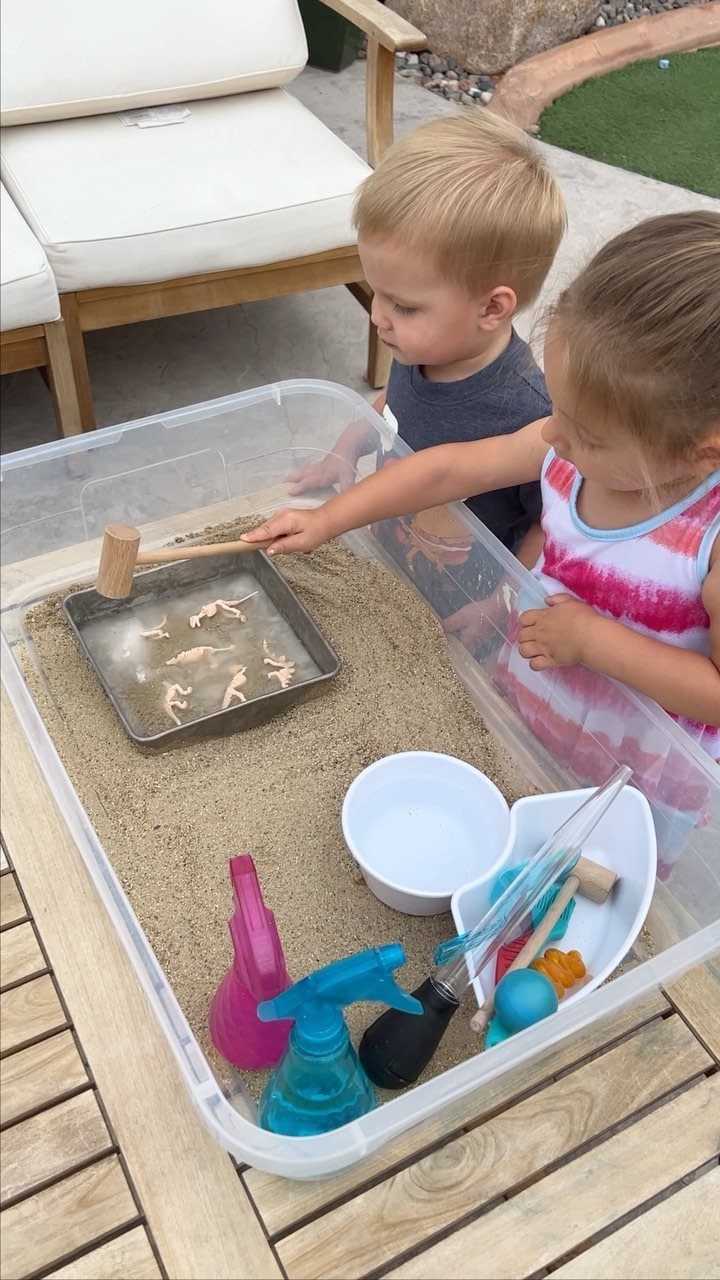
Freeze small toys in a block of ice the night before, then hand kids a wooden hammer and let them chip the toys free. A bin of sand underneath catches the meltwater and keeps the dig contained.
Dinosaurs suit this well because they look like real finds.
Give each child their own block, or two kids will argue over one. Chunky tools beat flimsy ones here.
4. Water Sensory Bins
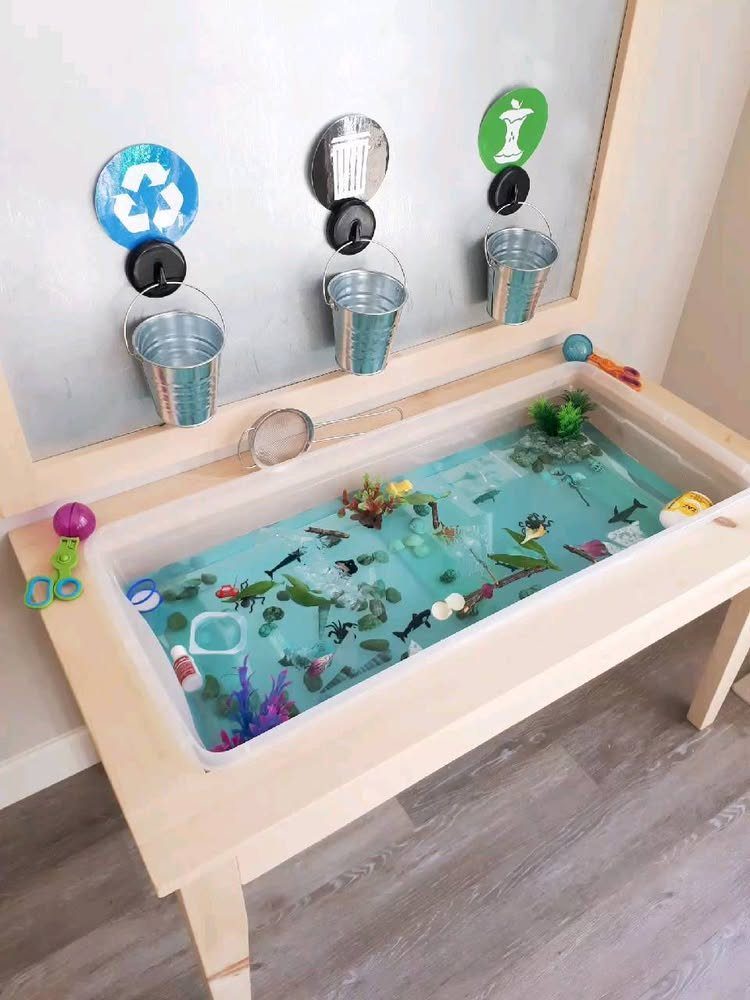
Fill a bin with water, drop in toy sea creatures, and a toddler has a whole afternoon of scooping and splashing. A table-height bin saves backs and keeps small kids from tipping a floor-level tub.
Add small buckets or cups for pouring, and keep a towel nearby for the floor. This is the calmest idea on the list, so it works when the group is young or the day is too hot for running.
5. Water Balloon Tee Ball
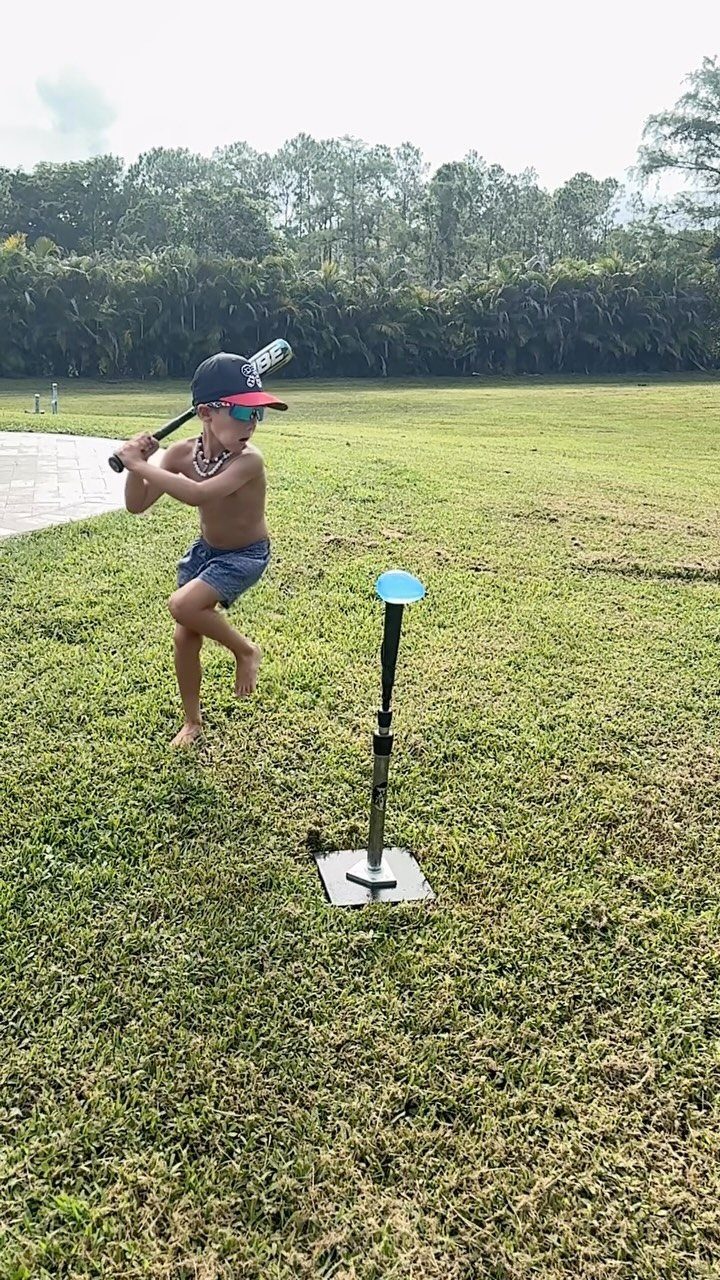
Rest a water balloon on a tee, hand a kid a bat, and the swing ends in a satisfying burst. Grass is the right surface, because balloon scraps are easy to pick up and nothing breaks.
Fill balloons only partly so they sit firmly on the tee. I’d keep other kids a few big steps behind the batter, and a hat and sunglasses help keep the splash out of eyes.
6. Towel Water Balloon Toss
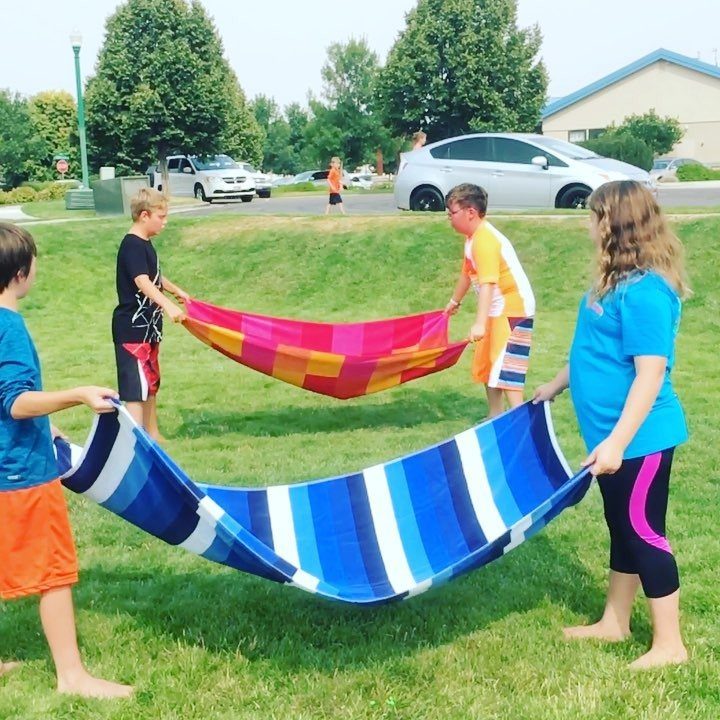
2 kids on each towel, held tight, can launch a water balloon to a pair across the lawn, and the catch only works if everyone moves together. That makes it better for older kids than for toddlers.
Beach towels are large enough to cushion a catch, and a thick one softens the landing. Start the teams close together, then have everyone take a step back after each successful catch.
7. Water Wall Play Station
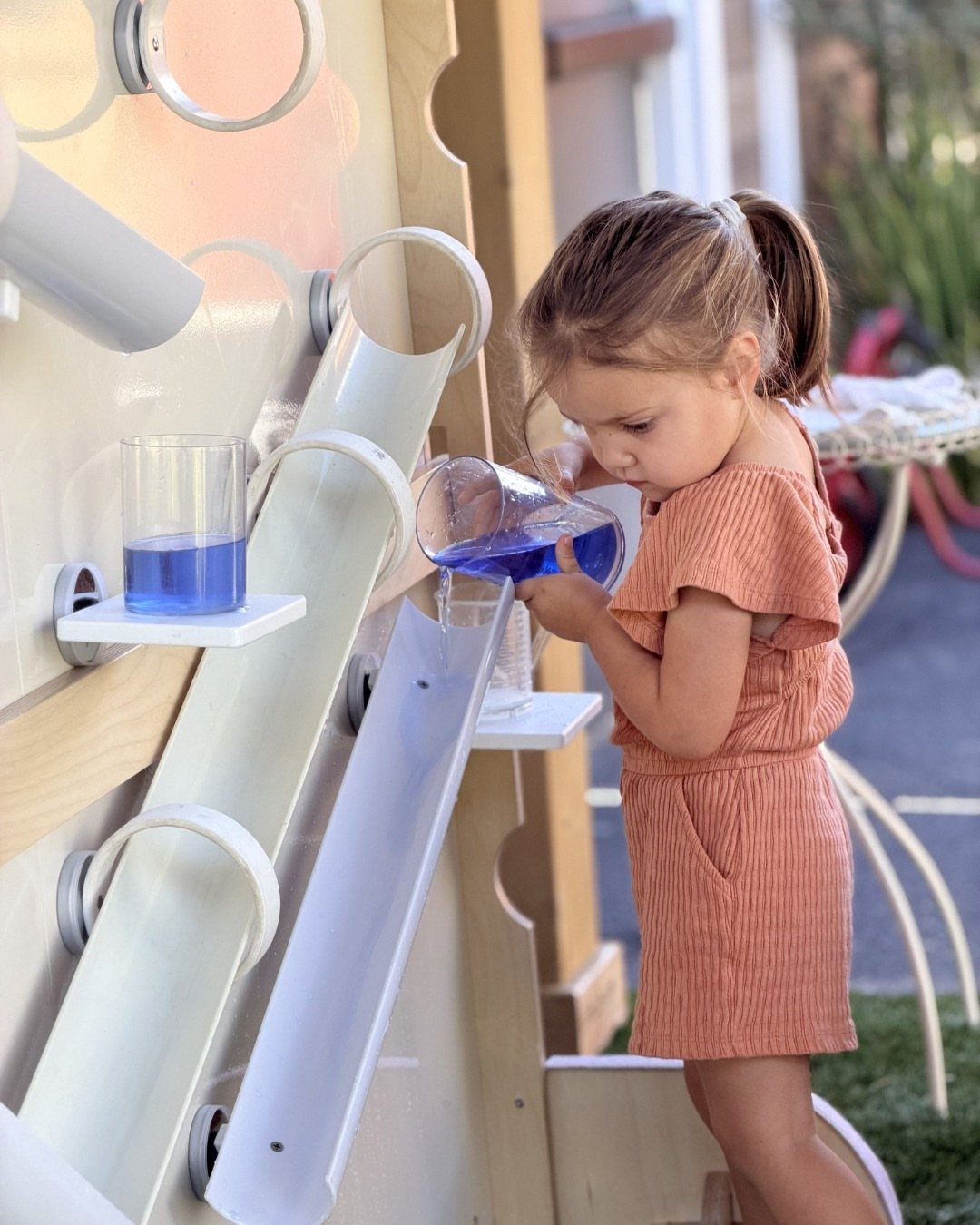
A water wall turns pouring into a game: cups of water go in at the top, and chutes and funnels send it zigzagging down.
Tinting the water blue makes the path easy to follow, so kids can see exactly where each pour ends up.
Set it on grass or a patio you don’t mind soaking, and put a bucket of water and a few cups beside it. I’d keep the refills in the kids’ hands, since the pouring is the whole fun.
8. Straw Boat Racing
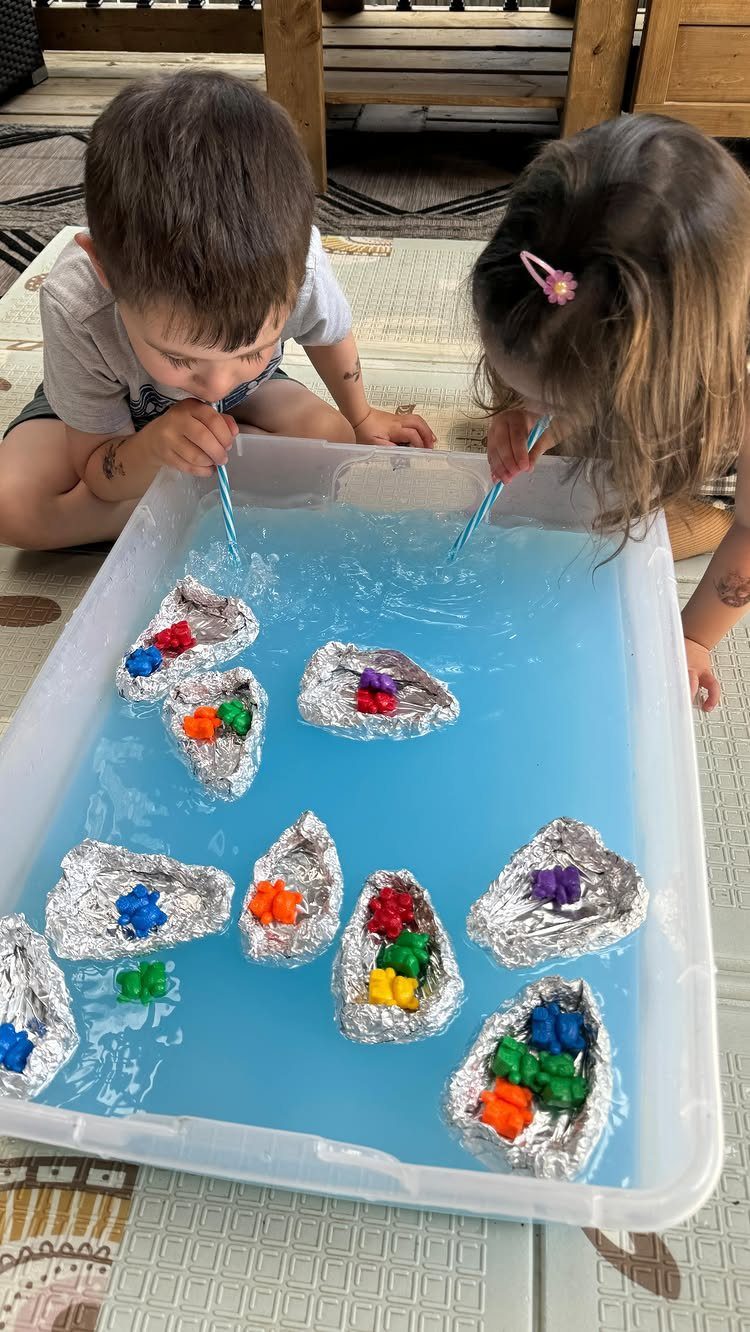
Foil boats and drinking straws make a race that needs lungs and nothing else. Each child blows their boat across a clear bin of water, and a patio table keeps the bin at a comfortable height.
Fold the foil into small boats with a sturdy flat base, then give every racer their own straw.
A little cargo, like a small figurine, adds a reason to blow gently. I’d make a few spare boats, because soggy ones sink.
9. Sponge Squeeze Relay
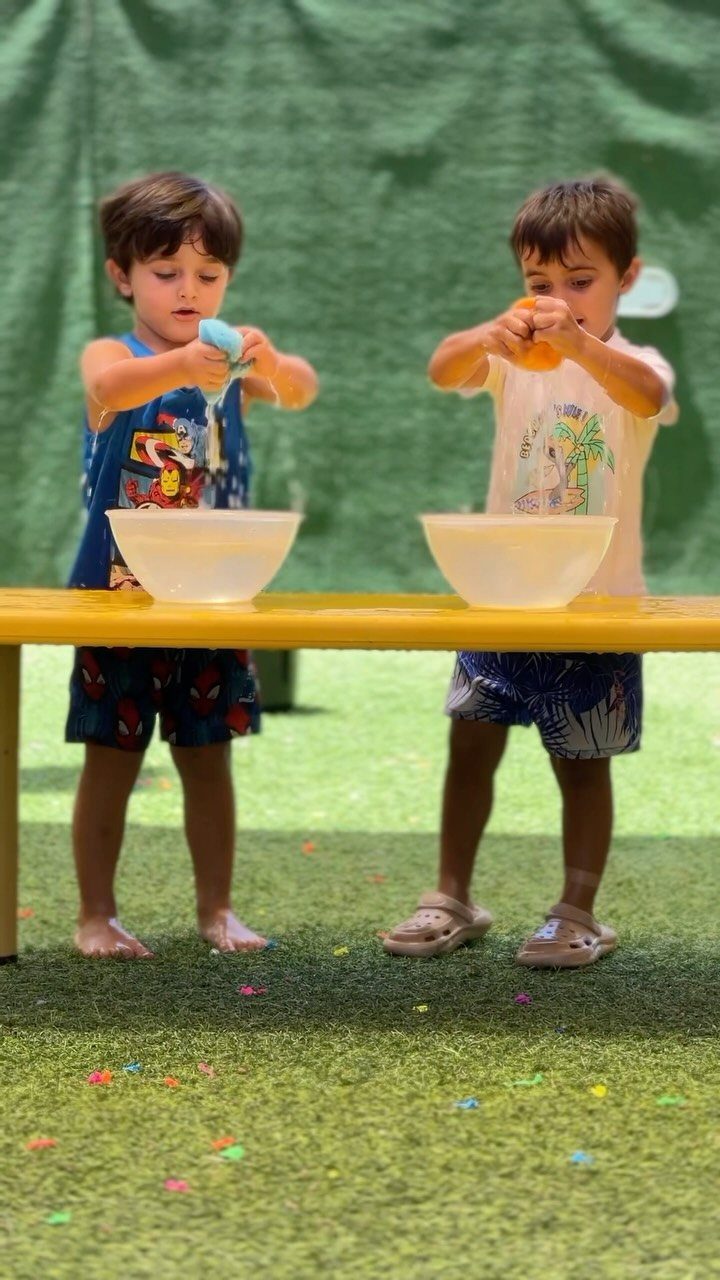
Sponges and bowls make the simplest relay: soak, carry, squeeze, repeat, and whoever fills a bowl first wins. Bright sponges make it easy to tell whose is whose, and a sturdy outdoor table gives each racer a lane.
Use one bowl per child so the water levels are easy to compare. Set a water tub a few steps from the table; the distance is what makes it a race.
10. Squirt Gun Canvas Painting
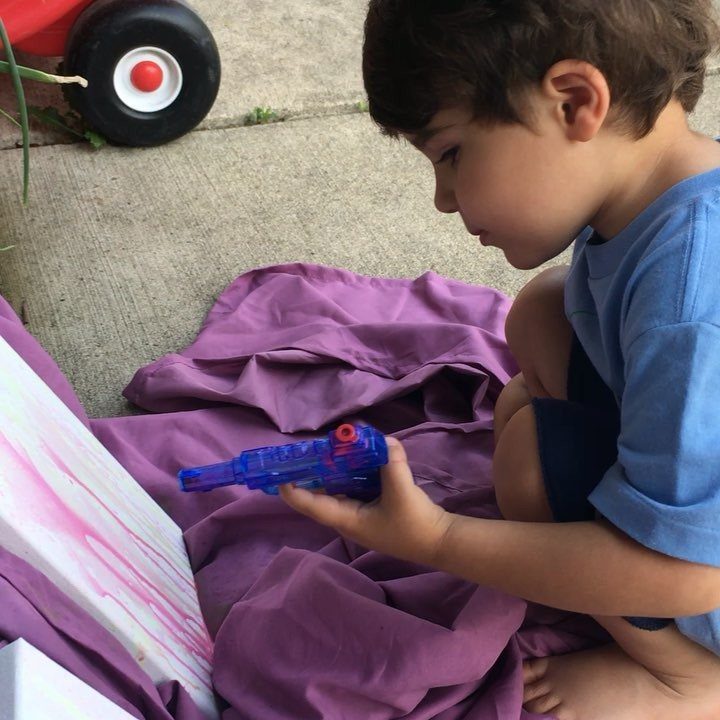
Fill a squirt gun with thinned paint instead of water, and the canvas becomes a target that keeps score in color. I put down a drop cloth under the easel to catch drips and keep paint off the lawn.
Water the paint down until it flows through the nozzle, and test it before handing it over.
I’d choose washable paint and old clothes, and let kids pick a few colors so the canvas layers up. Let it dry flat in the sun.
11. Backyard Slide Splash Pad Setup
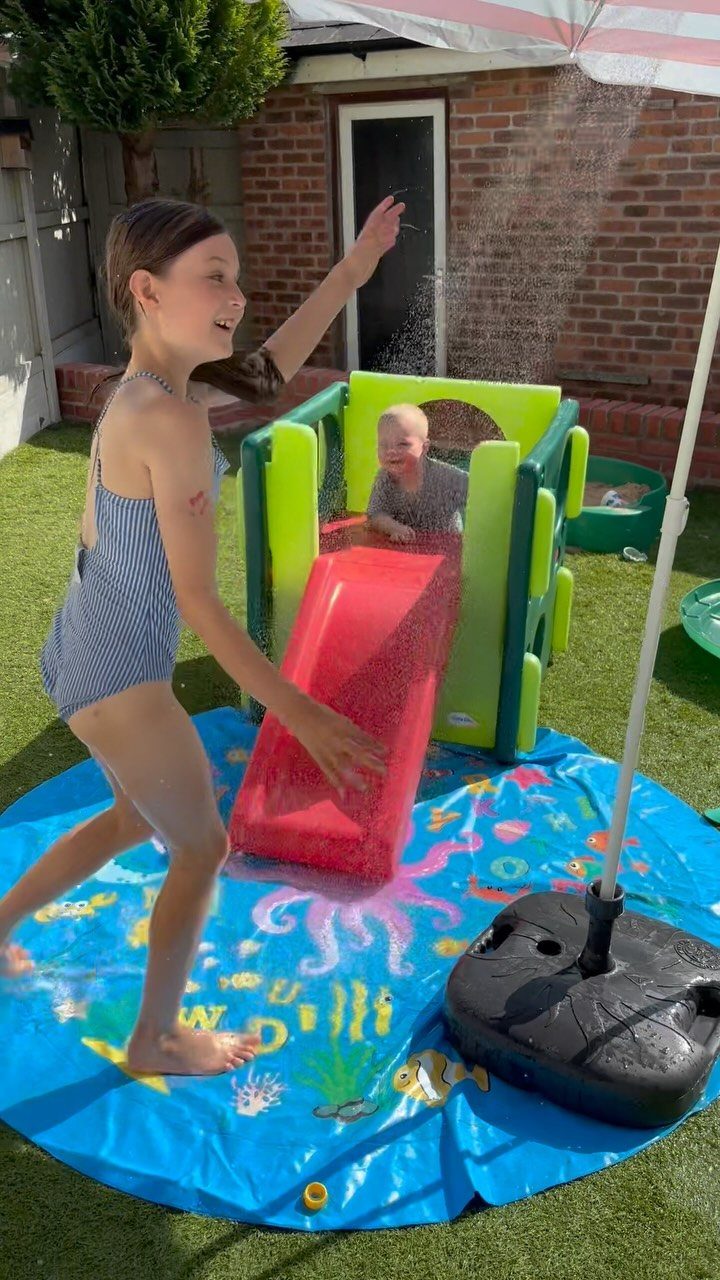
A small plastic slide that empties into a splash pad gives a toddler a run of slide, splash and repeat.
Overhead spray over the pad means the water falls on kids as they land, which makes it a good pick for mixed ages.
Place the slide’s exit right at the pad, and keep the pad on a flat patch of yard. I’d leave an umbrella up for shade and a towel by the bottom of the slide.
12. Funnel Water Play
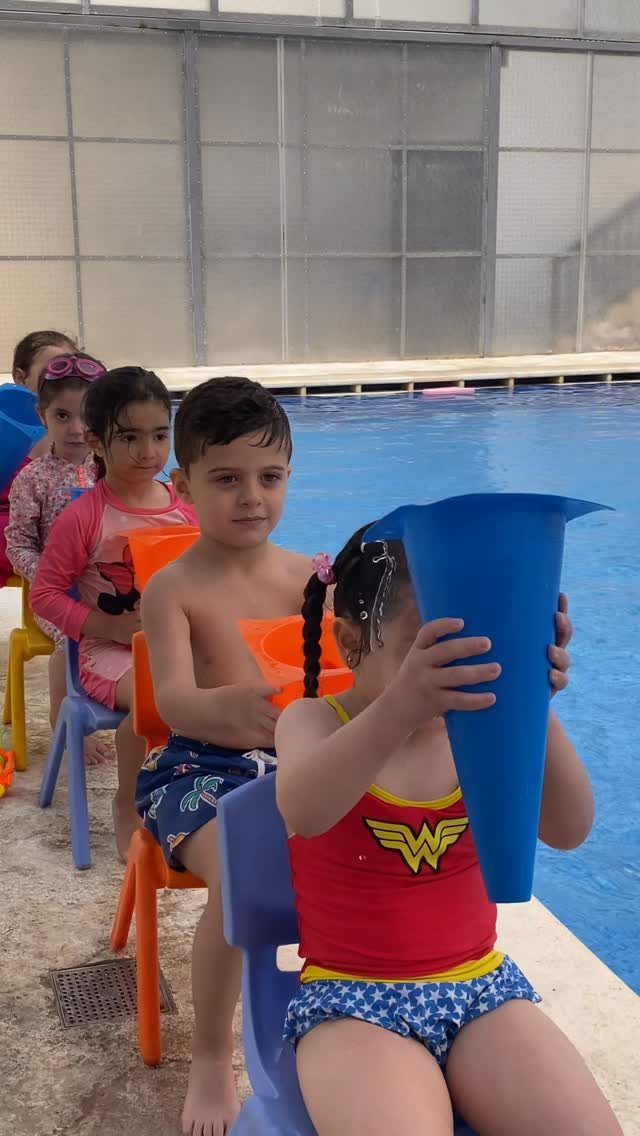
Oversized funnels make pouring feel like a real job. Kids sit at the pool edge, tip cups of water into the wide mouths and watch it rush out the narrow end.
Pick funnels in different colors so every child has their own.
I’d add a few cups and let them invent games, like aiming at a floating toy or pouring from higher up. An adult should stay at the pool edge the whole time.
Safety Tips for Water Play
Supervision has no age cutoff. A teenager and a toddler both need an adult watching the water, and that adult should put the phone down for the whole session.
Wet grass grips better than a wet patio. Where a hard surface can’t be avoided, lay non-slip mats along the walking paths and at the edges of the play area.
Walk the space before kids arrive and clear out anything to trip over: hoses, toys, buckets left in a path. Match the water pressure and the toys to the age of the youngest child there.
Hats and sunscreen belong in the plan too, since water play usually happens in the hottest part of the day.
Preparation for Water Activities
Pick a spot within reach of the spigot, because a game that stalls while someone drags a hose across the yard loses the kids fast.
Fill a clean 32-gallon trash can or a livestock trough ahead of time and let it serve as the refill station; buckets and sprinkler bottles can dip into it, and the hose gets a break.
Gather everything before the first kid shows up: buckets, sponges, cups and towels. Stacking it all in one spot saves you from leaving the group to hunt for supplies.
Tell parents ahead of time to send kids in swimsuits or old play clothes, plus water shoes or sandals that can take a soaking and still grip wet grass. Every surface turns slippery, so remind them to walk, not run.
Sunscreen needs reapplying during a long session, so keep it with the towels. If kids head back to class or into the car afterward, ask each one to bring a towel and a change of clothes.
Benefits of Water Play
Water play reaches every sense. Kids feel temperature and splashing, hear the plunks and laughter, and see light bounce off the surface and blue water set against bright toys.
Smell gets involved too. A lemon-scented object in a bin, or the sunscreen smell of summer, can tie the activity to a memory.
Past the senses, water play builds fine motor skills through pouring, squeezing and scooping. It also supports early math and science, as kids compare full and empty and watch what floats.
Shared water play brings social skills along with it. Kids take turns, trade tools and invent games together.
Frequently Asked Questions
What are some fun activities for water play?
Ice excavation, a toy car wash and water balloon tee ball are 3 easy picks for a yard.
Ice digs work best when the toys freeze solid overnight in a container, then go into a bin of sand with a wooden mallet so kids can crack each one loose.
Each one needs little gear, and I’d match the pick to the youngest child there.
What are daily activities that use water?
Washing things and playing in water cover most daily uses, and both turn into games easily.
Because everything stays on one table, I’d hand the toy car wash to the youngest kids first; a tub, some suds and a couple of cloths is all it takes.