What decides your pick is who does the making: if students can cut, color or press the pieces themselves, choose the tissue paper, stained glass apple and handprint projects; if you are decorating alone before the first bell, choose window stickers, plaid accents or ready-made posters.
Either way, a room that holds some bare space reads better than one packed wall to wall.
1. Fall-Themed Bulletin Boards
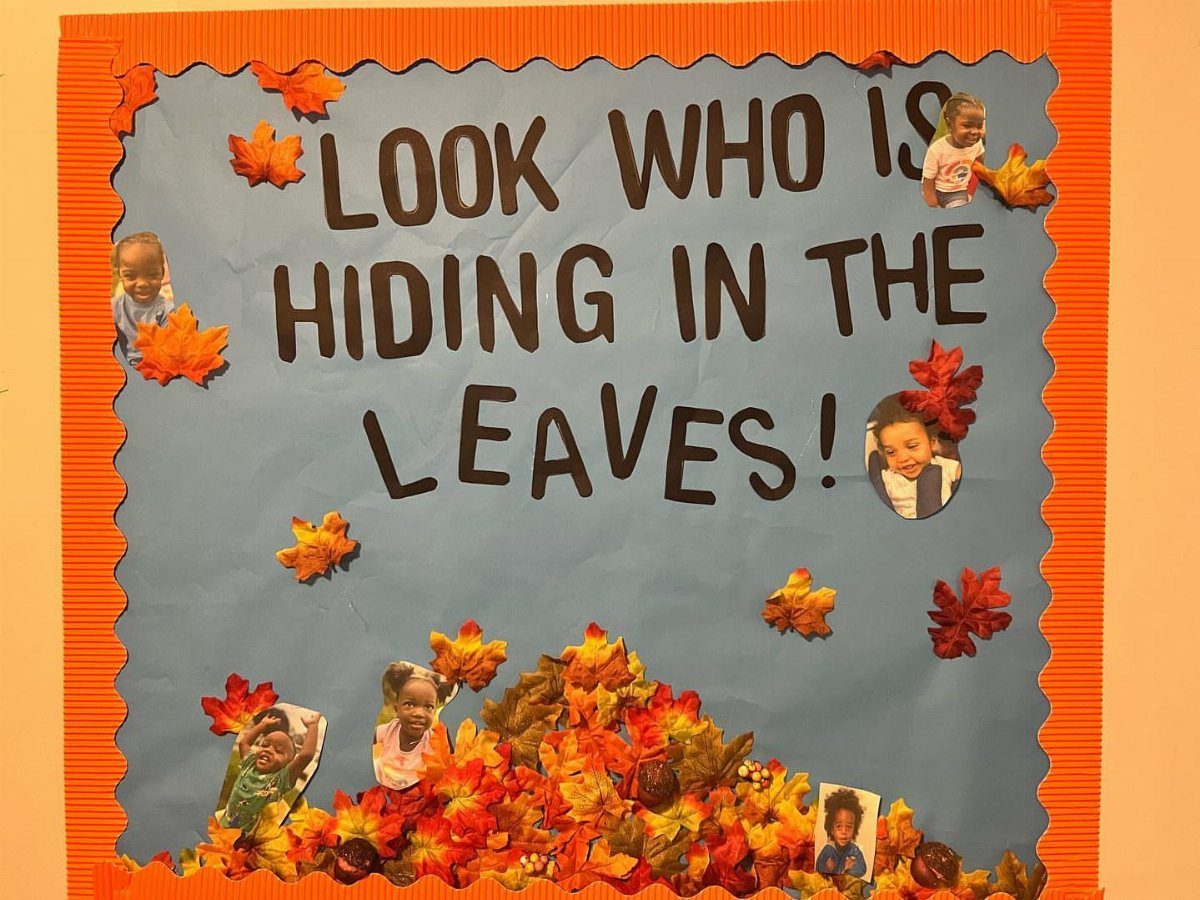
A bulletin board that changes with the season gives a bare corner of the room a reason to be looked at again.
Swapping the September board for a leaf-covered one takes little more than a fresh background and a stack of paper leaves.
I like the hide-and-peek idea of tucking each child’s photo among the leaves, with a short headline across the top.
Students hunt for their own face, and that keeps them reading the board. Use bold borders in a color that contrasts with the backdrop so the board reads from the doorway.
2. Plaid Classroom Decorations
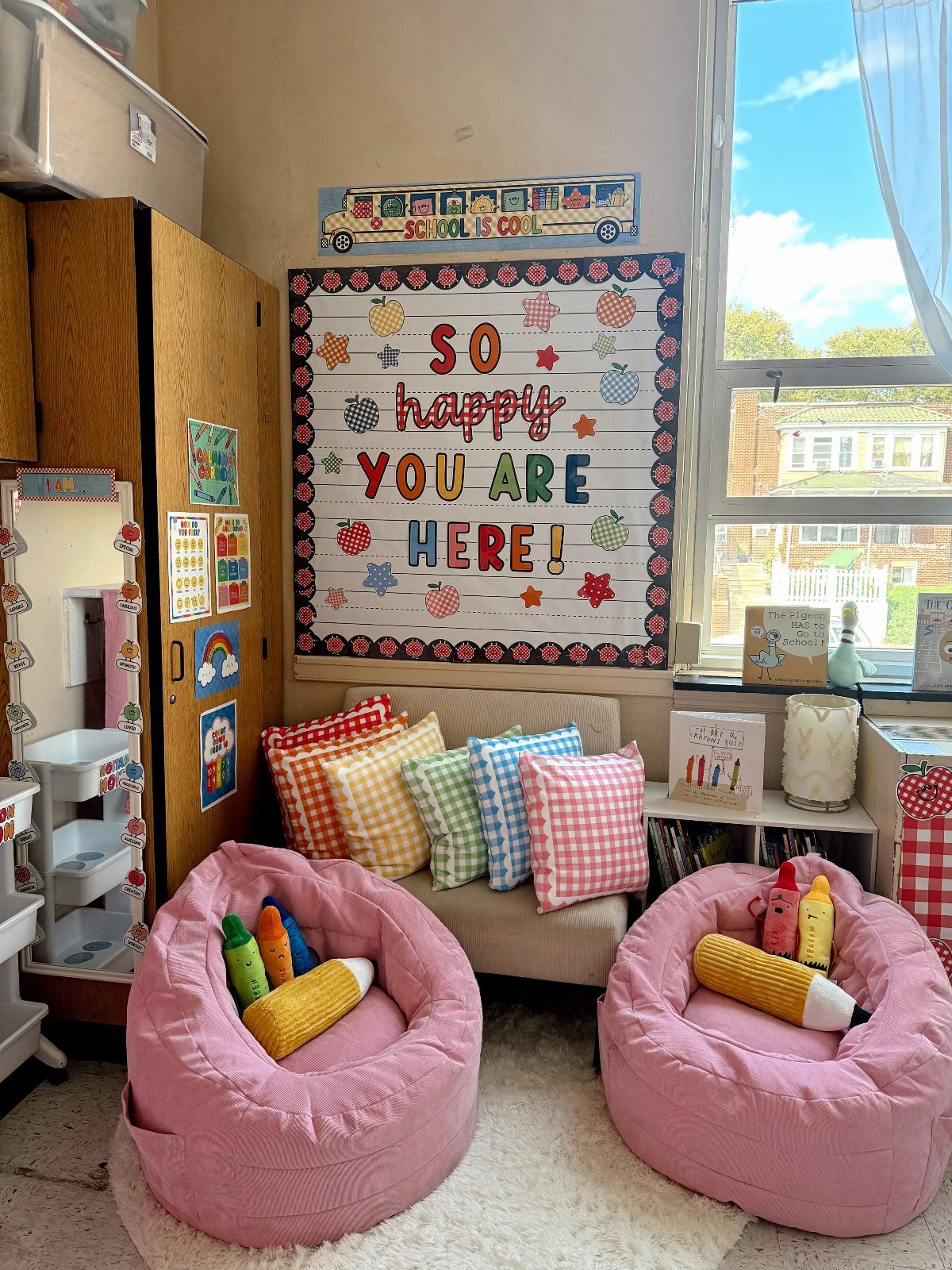
Plaid pillows on a reading nook do more for coziness than any amount of paper cutouts. Pattern in warm checks signals fall without a single pumpkin in sight.
Start with what you already own: swap the covers on existing pillows rather than buying new ones. Mixing two or three plaids in related colors looks intentional, and a neutral sofa keeps it calm.
I’d pair them with solid beanbags so the pattern stays an accent, not the whole room. Covers store flat, so they return next October at no cost.
3. Tissue Paper Pumpkins
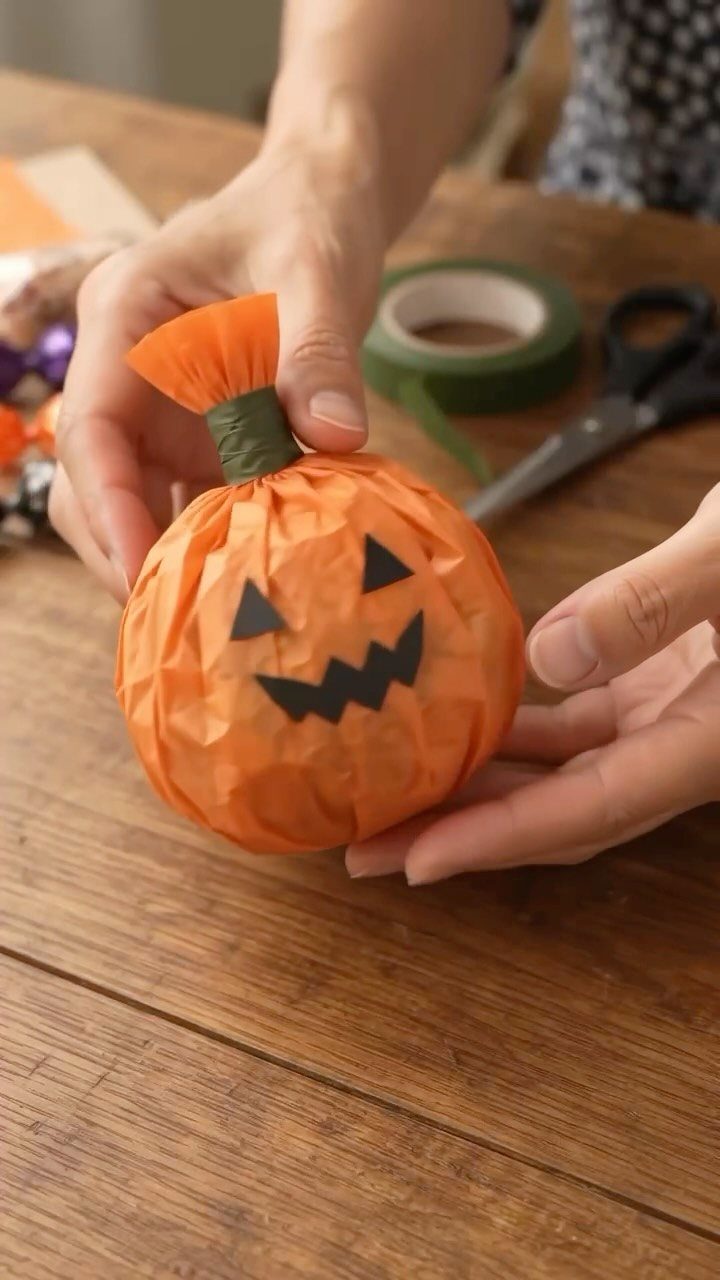
Small tissue paper pumpkins are cheap to produce in bulk, and hanging them gives a ceiling or window line some color at eye level. Tissue, tape and scissors cover most of the supplies.
Orange tissue forms the body, a green stem tops it, and a black jack-o’-lantern face finishes it. Cut the face from black paper so the features stay crisp.
For a class set, cut the shapes ahead and let students assemble and decorate their own. Hang them on string at different heights so they read as a cluster, not a row.
4. Window Stickers
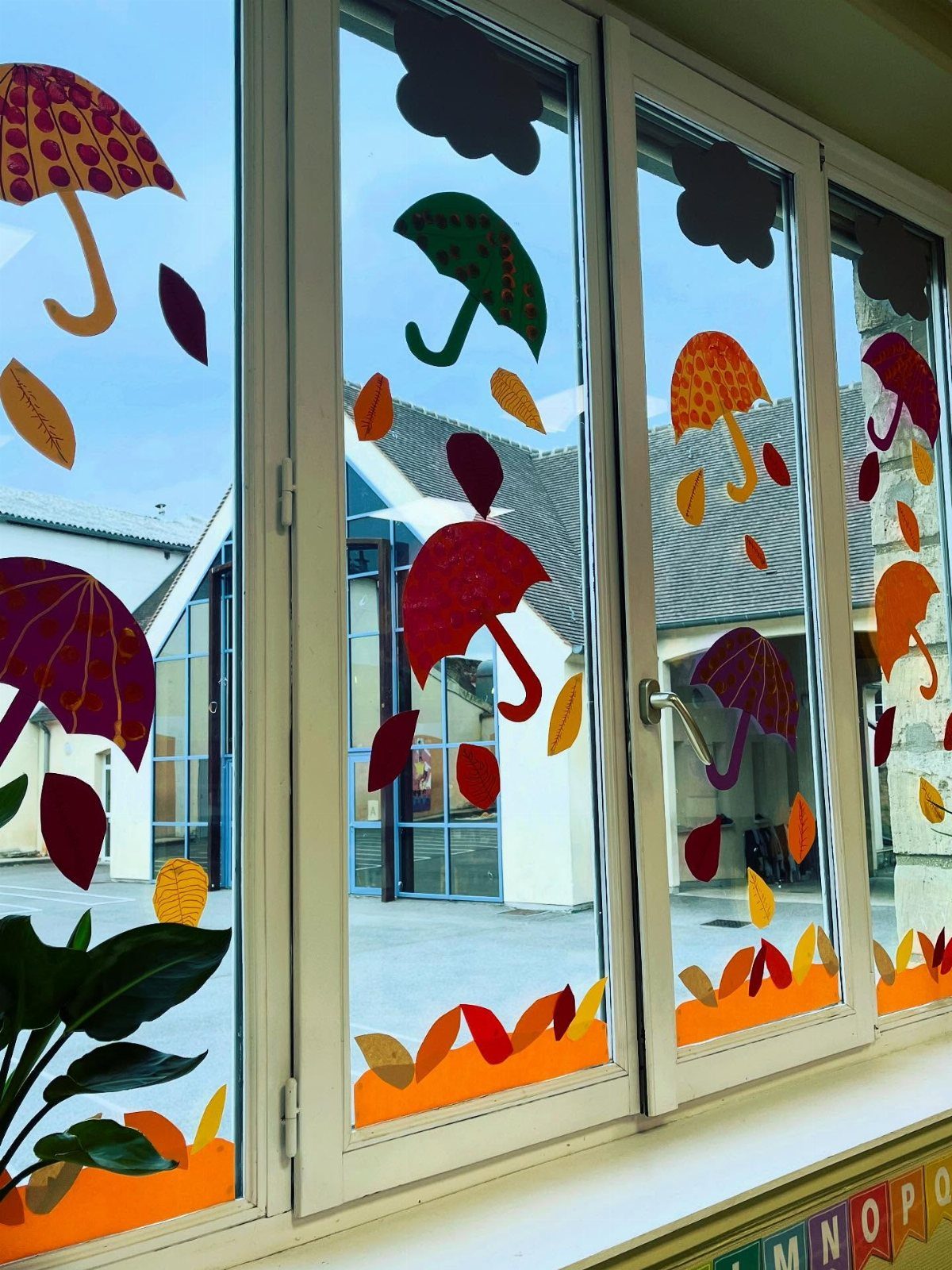
Window stickers are the fastest way to dress a classroom, since the glass is already there and needs no frame or backing.
I’d cut shapes from colored paper and keep a few in each color family so the window looks full without effort. White window frames make bright colors stand out.
Kids can cut their own shapes, which turns decorating into a quick activity. Remove and replace them as the season moves on.
5. Stained Glass Apple Window Craft
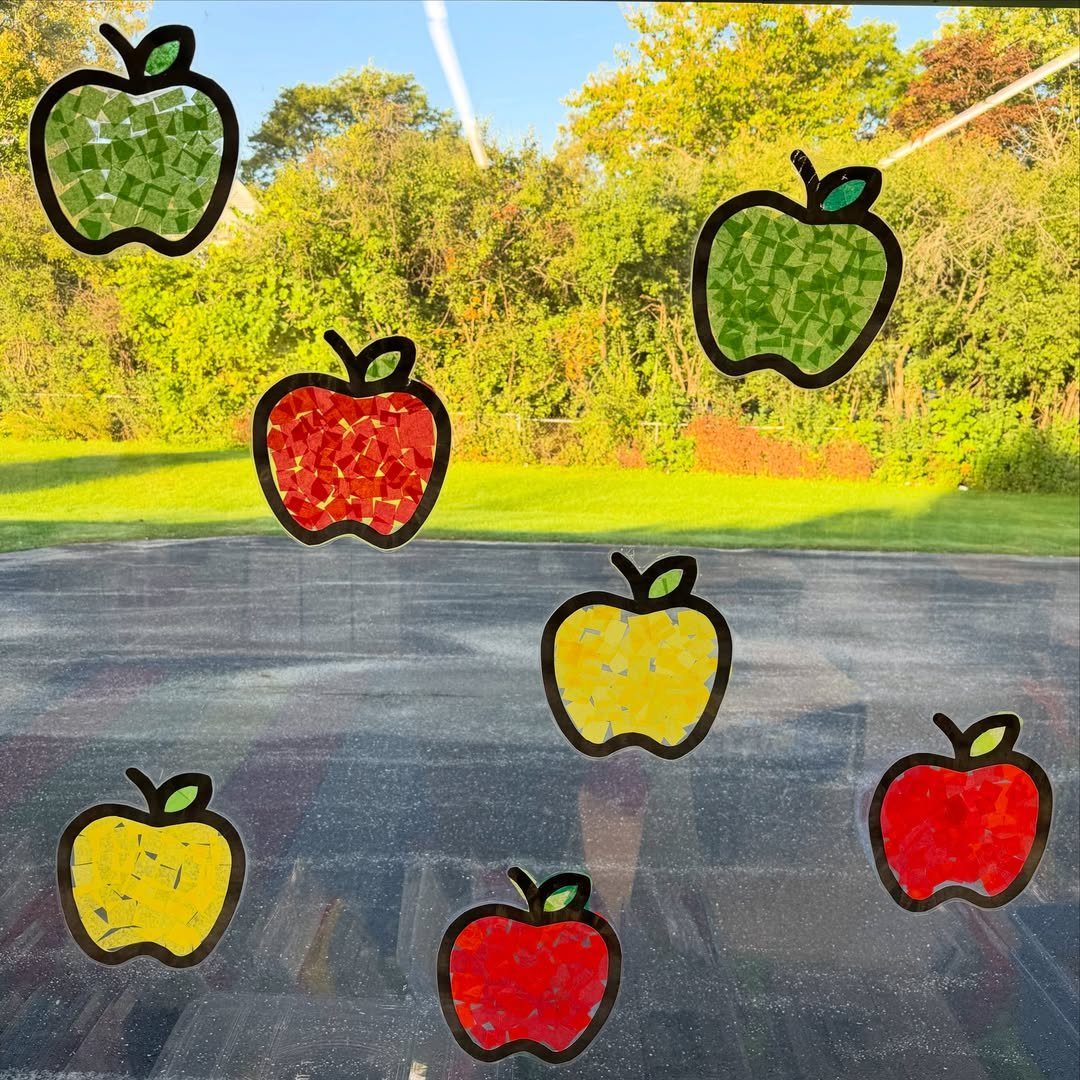
A stained glass apple trades paint for tissue paper and a heavy black outline, and the result glows when daylight comes through. Apples suit the classroom since the shape is simple enough for young hands.
Draw or print an apple outline with thick black lines, then fill each section with tissue in reds, greens and yellows. Overlapping pieces create deeper shades.
Apples look best in a row along a window when they are all cut to the same size. Sunny windows give the strongest effect, so choose your brightest one.
6. Fall Classroom Posters
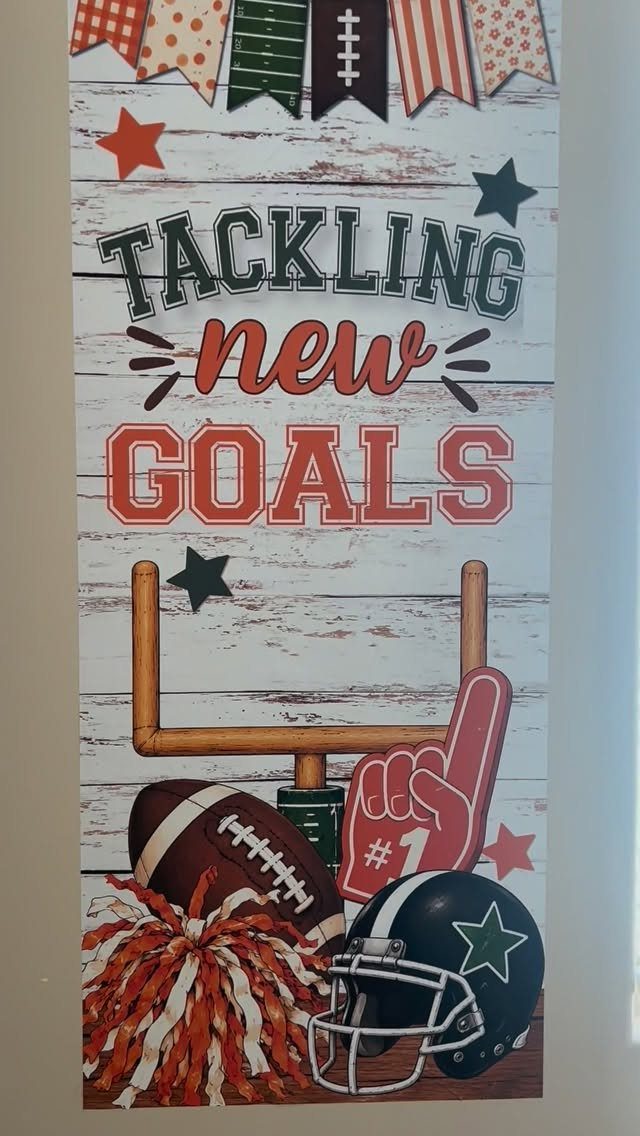
Posters with a sports theme turn a goal-setting message into something students remember. A football image paired with a phrase like "Tackling new goals" gives the first weeks of school a clear, energetic tone.
Pick one message and keep the design simple: a bold headline, one or two themed props and a clean background.
I prefer a single large poster by the door over many small ones, since students actually read it. Choose a theme that fits your students’ interests, then use the motto to guide a class goal.
7. Autumn Wreath for Classroom Door
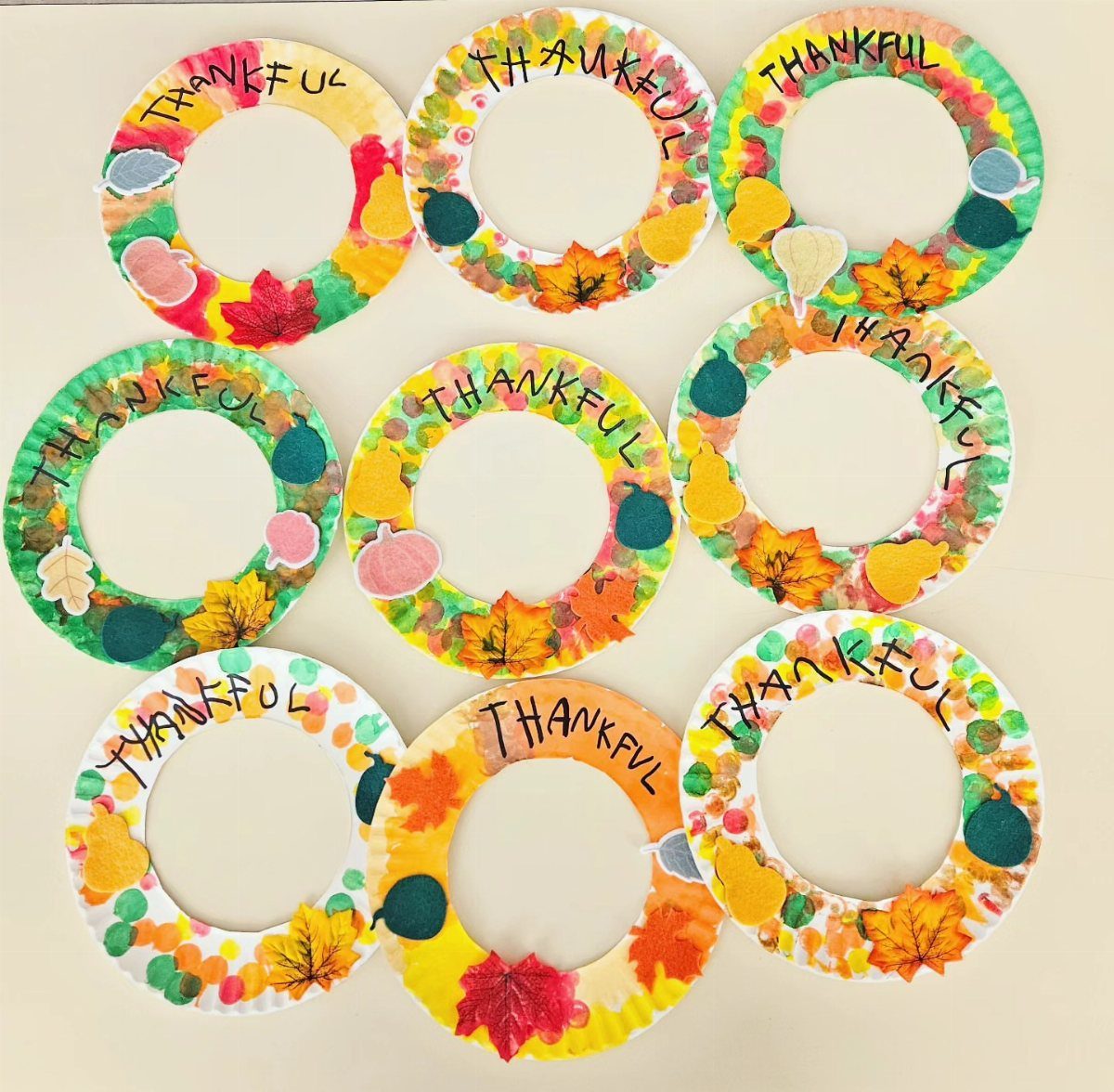
A paper plate wreath gives the classroom door a welcome for the price of a plate, some construction paper and a marker.
Cut the center out of each plate, glue leaves around the ring, and write one word across the top.
"Thankful" works because students can read it from the hallway.
I’d have each child make their own and hang them side by side down the corridor, so the whole class is greeted by the same word nine or twenty times over.
8. Tissue Paper Leaf Window Display
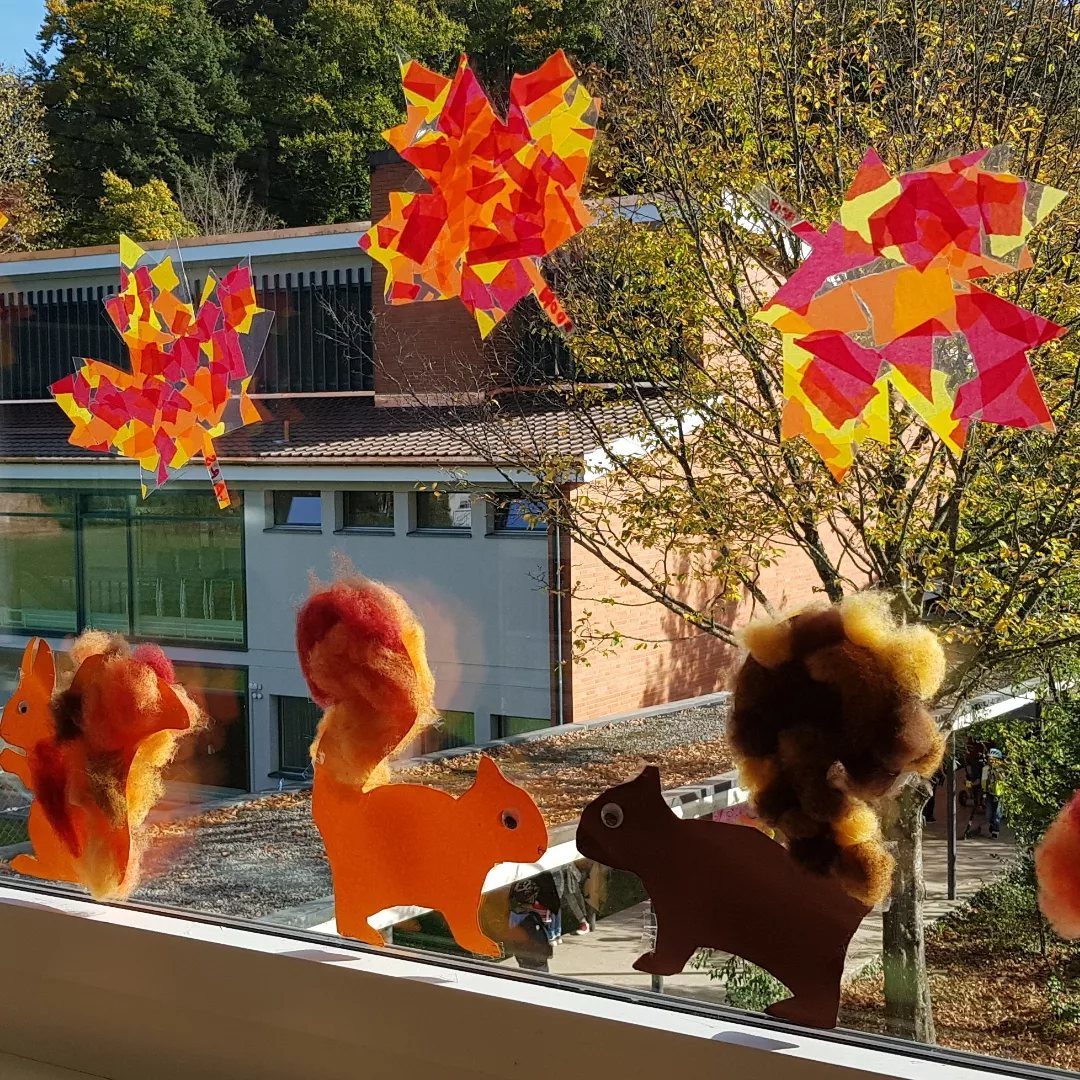
Tissue paper leaves on a windowpane let the daylight do the decorating. Cut leaf shapes in reds, oranges and yellows, then press them onto the glass.
I like adding a few cardstock squirrels with fuzzy tails, which gives the display a small story.
Overlap some leaves so the colors layer, and keep the squirrels low on the pane where students can spot them. Tissue is thin, so it peels away at season’s end.
9. Handprint Acorn and Leaf Crafts
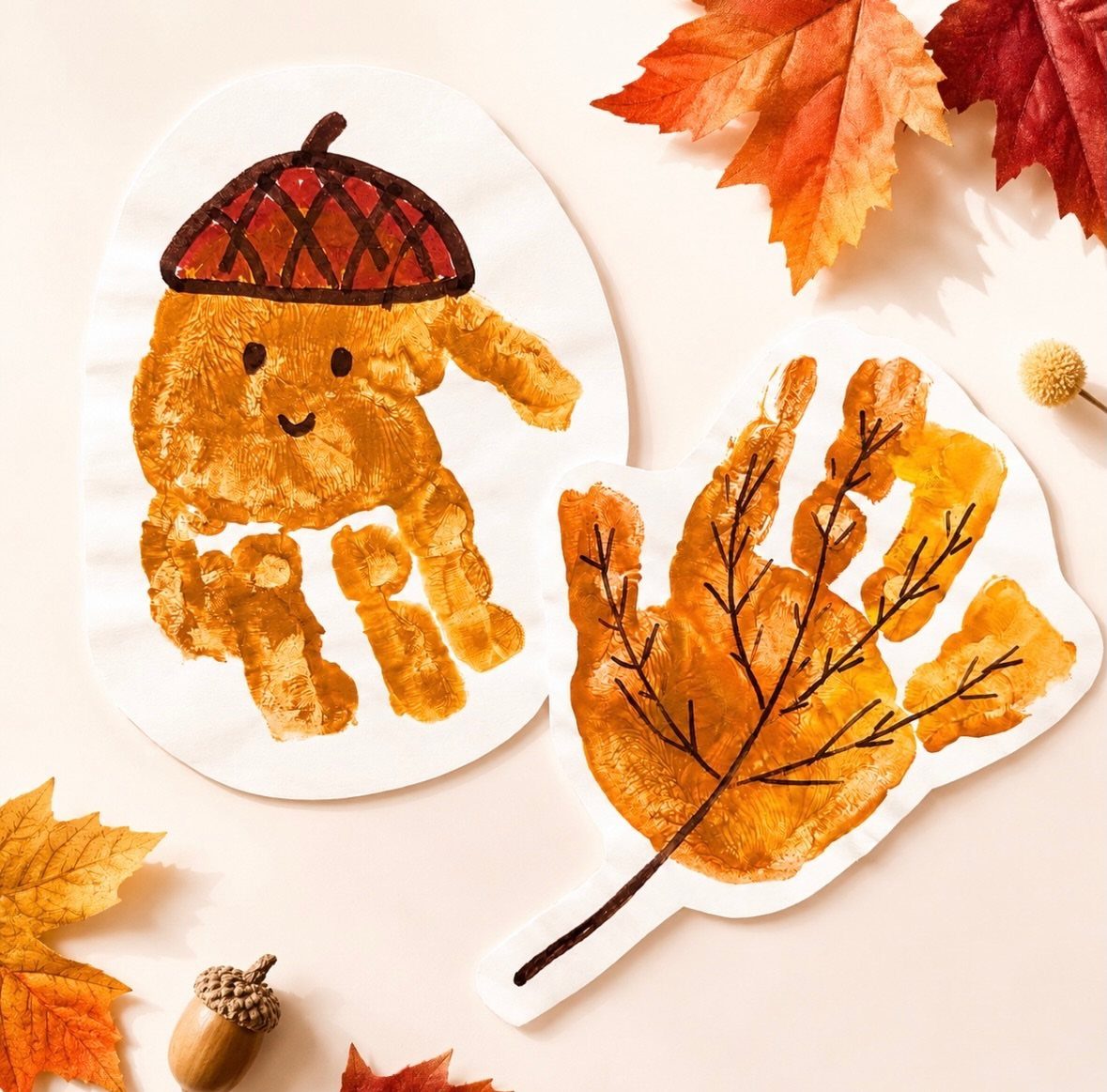
Handprints turn a plain paper cutout into a keepsake. Cut an acorn and a leaf from white paper, press painted hands onto the leaf in orange, and add brown marker details to the acorn.
Prepare the cutouts before class so paint time stays short.
I’d set out a wet paper towel at each table for cleanup. Mount the finished pieces in a row, and let real leaves sit beside them as a low-cost extra.
10. Boho Pampas Grass Accents
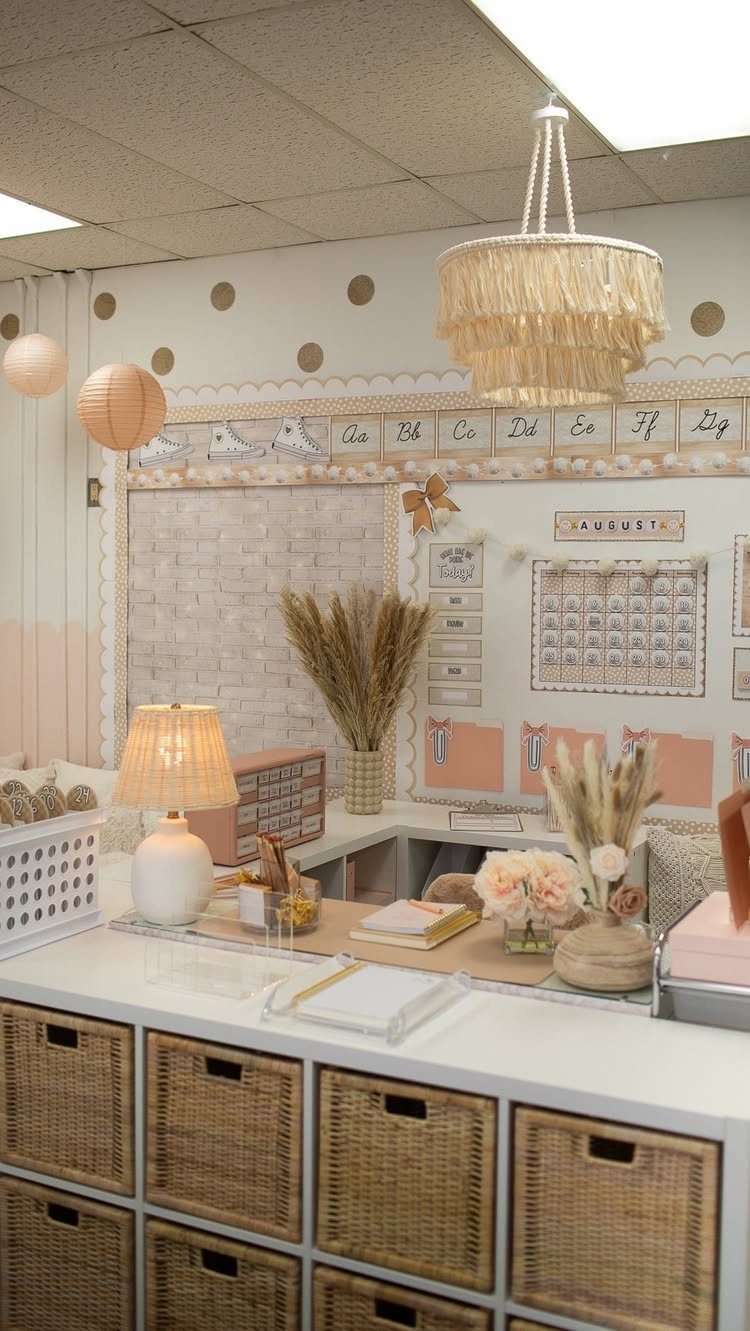
Dried pampas grass in a tall vase brings a calm, neutral note to a teacher’s desk. Pair it with wicker baskets for supplies, and the workspace looks styled while the clutter stays hidden.
I’d keep the palette to cream, tan and natural fiber, since the grass is the star.
Baskets double as storage for pencils, folders and extra paper. Place the vase at the back corner of the desk so it never blocks your view of the room.
Student Involvement
Let students make part of the room, and they treat it differently. Work they colored, cut or arranged themselves gets noticed, defended and pointed out to visitors, which builds a sense that the space belongs to the class.
Tie the decorating to a lesson so it earns its place.
2 easy ways to get kids making the decor: have them color pumpkins to fill a paper pumpkin patch, or press crayon over leaves for bark-and-vein rubbings, then staple the results straight to a bulletin board.
A child who sees their own work on the wall tends to feel more confident, and I think that makes it easier for them to pay attention and hold on to what they learn.
I’d rotate the pieces so every child’s work gets a turn.
Hold back on quantity. A room packed wall to wall pulls attention away from the material, so leave some bare space.
The paper pumpkin lanterns and student-made apple crafts are especially creative because they make the classroom feel warm and seasonal while also giving students a chance to participate.
Creating a Cozy Atmosphere
A cozy classroom borrows from home. Signs, throw pillows and even a front door mat bring a homey feeling that school supply catalogs rarely deliver.
I’d look through your own house first. A sign from a hallway or a spare mat costs nothing, and it makes the room feel lived in.
Fall is a good moment for this, since the season brings everyone indoors more than summer does. A room that feels warm and welcoming makes the first weeks of the year easier on students.
Add a few homey pieces at a time rather than all at once. Stop when the room feels comfortable, not crowded.