Ideas in this list range from a free petal "100" on white fabric to a custom cake with birth-stat cloud toppers, and most of the cost sits in one or two pieces rather than the whole setup.
Which one fits depends on the tradition you are marking: the Traditional Baek-il Table Setup and Red Eggs and Ginger cover the customs, while the Red Egg and Ginger Sign gives a red-and-gold party its signature detail.
1. 100 Days Celebration
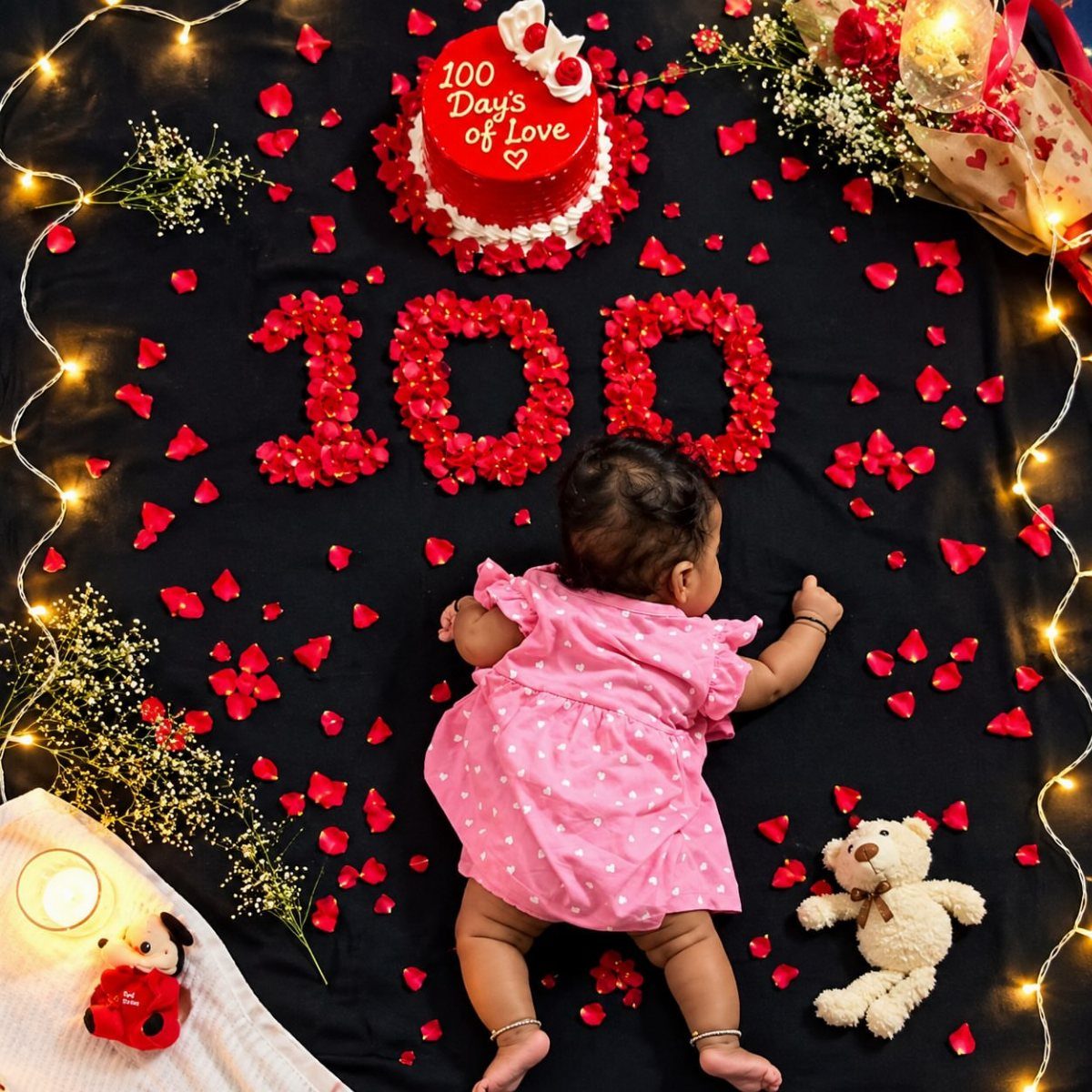
A baby on dark fabric, a cake and a ring of rose petals shaped into "100" make a complete 100-day setup with very little to buy.
A dark cloth backdrop makes bright petals and pale skin stand out without competing for attention.
Fairy lights and one small stuffed animal are enough extras. I would stop there, because a crowded setup competes with a baby who is only 100 days old.
In many Asian cultures this day marks a real milestone, so even a simple version feels meaningful to the grandparents.
2. Red Eggs and Ginger
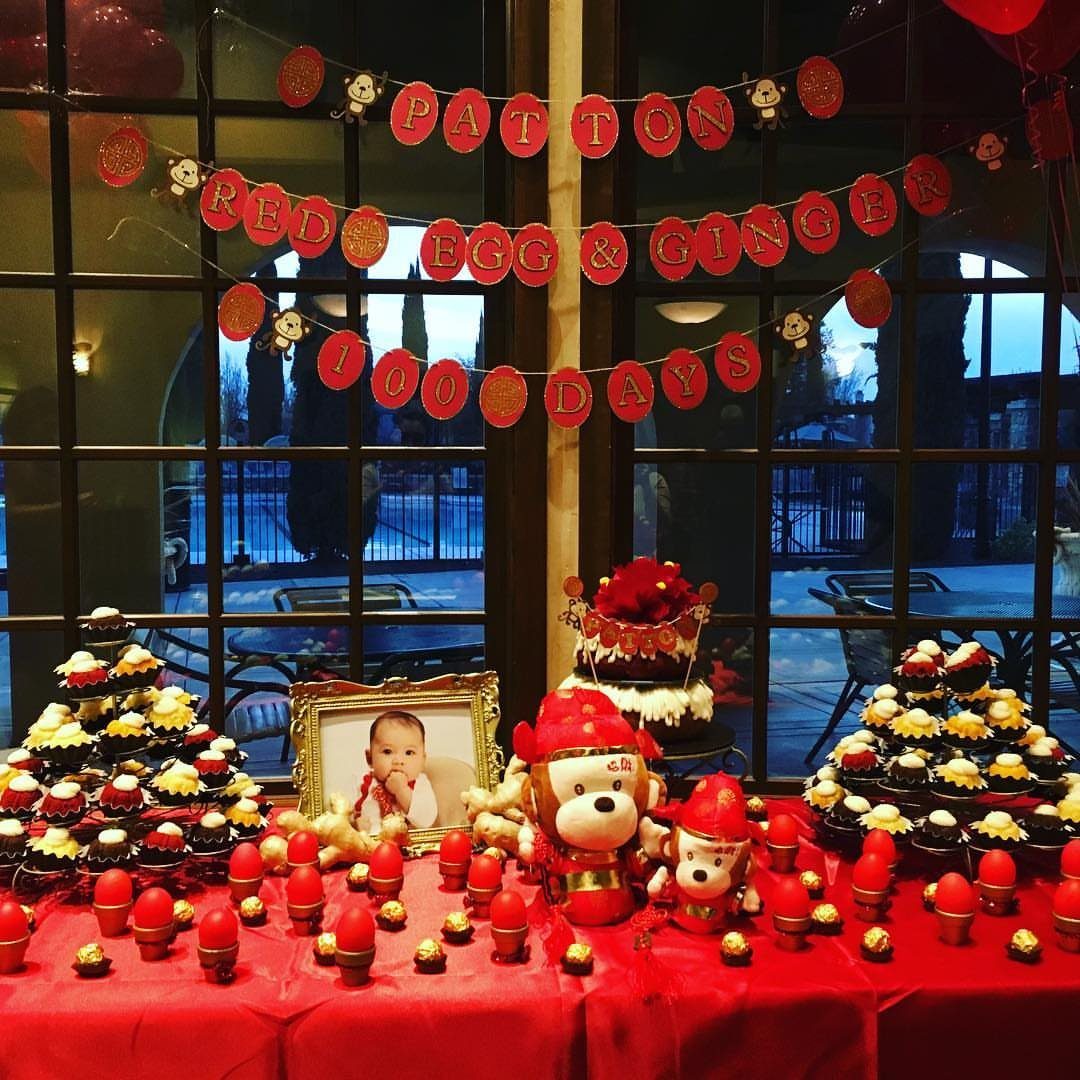
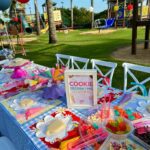
Red eggs and ginger give the table its meaning, and a red tablecloth makes them the obvious focus. Set the eggs in a bowl or tray, add a plate of cupcakes, and prop up one favorite photo of the baby.
A banner with the baby’s last name and "100 Days" costs little and doubles as the backdrop for pictures. Hang it before guests arrive so the window light falls on the table.
I like this version because every piece is easy to buy or make, and the table looks finished with only a few items on it.
3. Photo Sessions
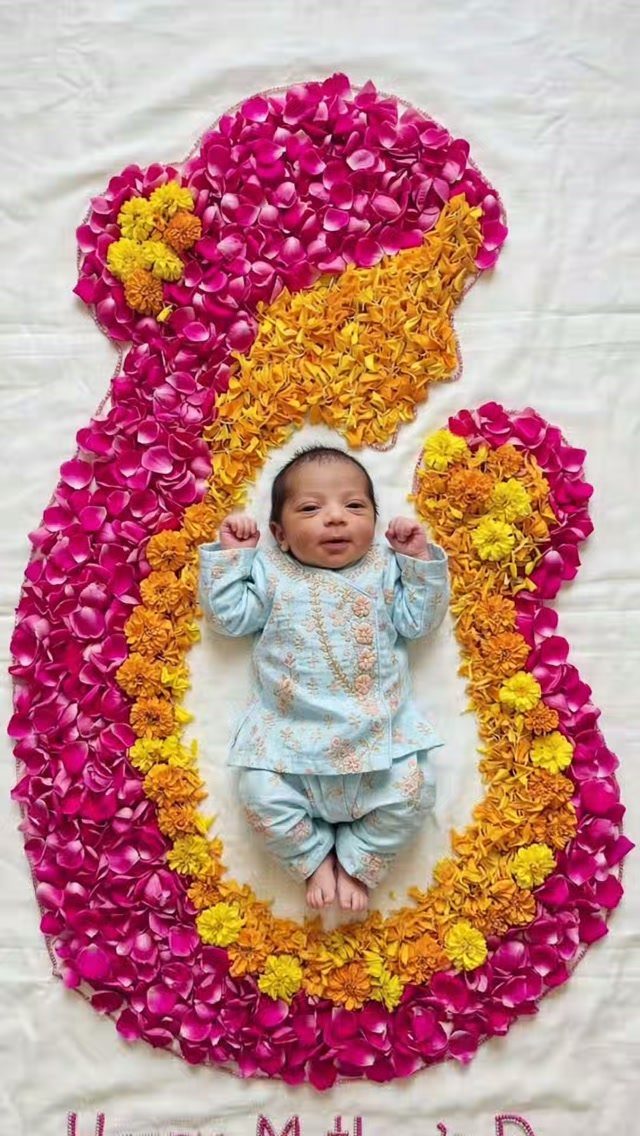
Petals arranged into a number on plain white fabric make a photo setup that costs almost nothing. Lay the fabric flat, shape the digit, then place the baby inside the outline so the number frames them.
Use a number or shape that suits your milestone, since the layout works for any digit.
Shoot when the baby is rested and fed. A short, calm session beats a long one, and you can arrange everything beforehand so the baby is only on the fabric for a few minutes.
4. Special Outfits for the Baby
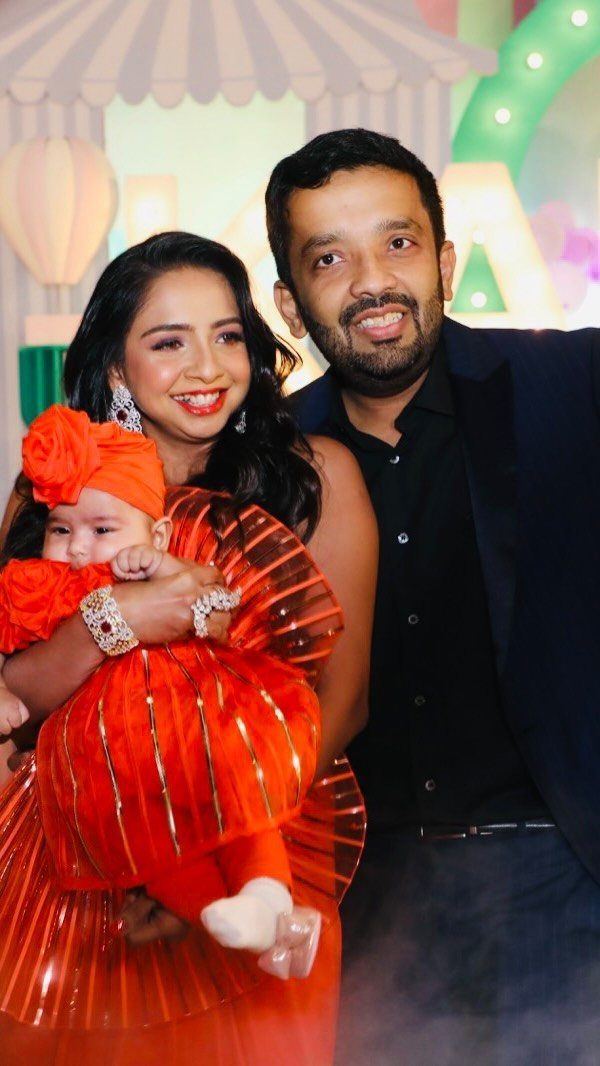
A single bold color worn head to toe, like orange ruffles paired with a matching turban, puts the baby at the center of every frame. Pick the outfit before anything else, then let the backdrop and decor follow its colors.
A matching set gives you a finished look without extra accessories. Parents can coordinate lightly, with tones that sit near the baby’s color rather than compete.
My advice is to choose something that suits a baby who will be handed around the room. Soft fabric and easy fastenings matter more than any single detail.
5. Customized Cake
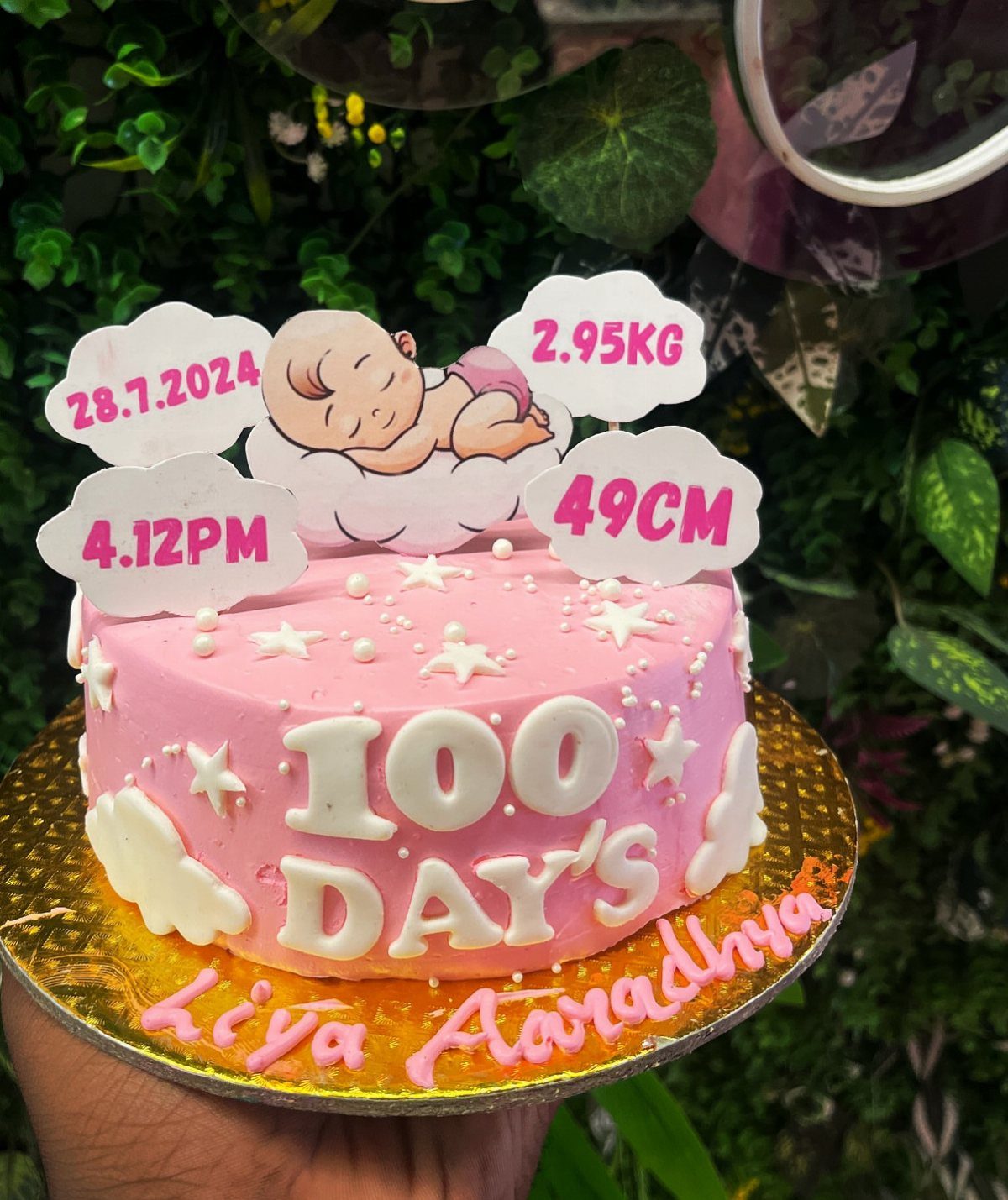
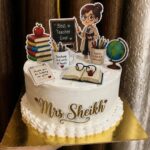
A cake can carry the baby’s story, and a pink one with "100 DAY’S" and the baby’s name on it does exactly that. Cloud toppers printed with birth stats turn a cake into something guests stop to read, not just photograph.
Ask your baker for those details on toppers rather than piped icing; they are easier to read and you can save them afterward. A small baby illustration on top gives the cake a clear focal point.
Order early, and send the details in writing so the numbers and spelling come out right. A store-bought cake with homemade toppers is a fine shortcut.
6. Balloons and Backdrops
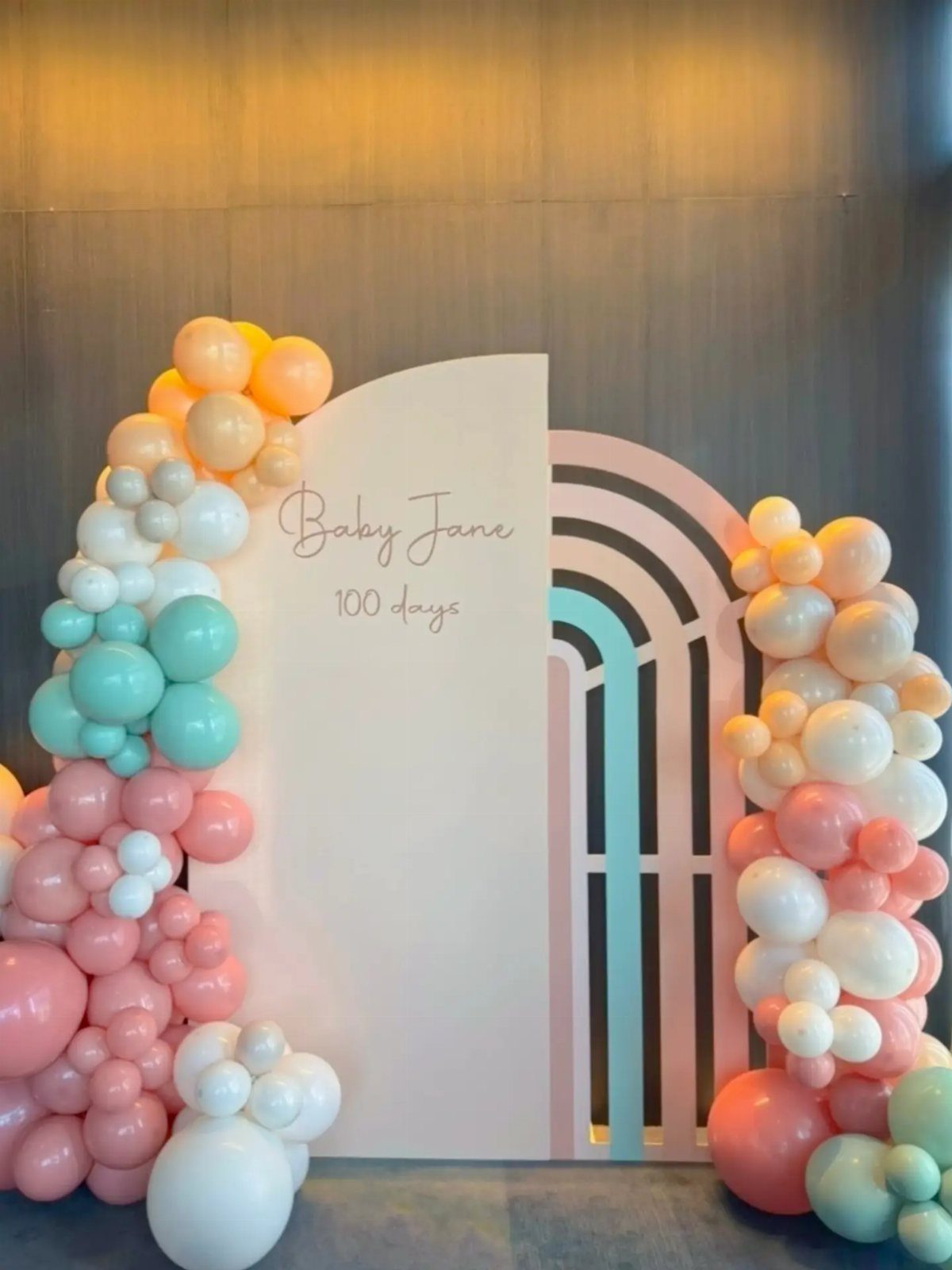
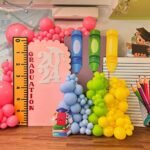
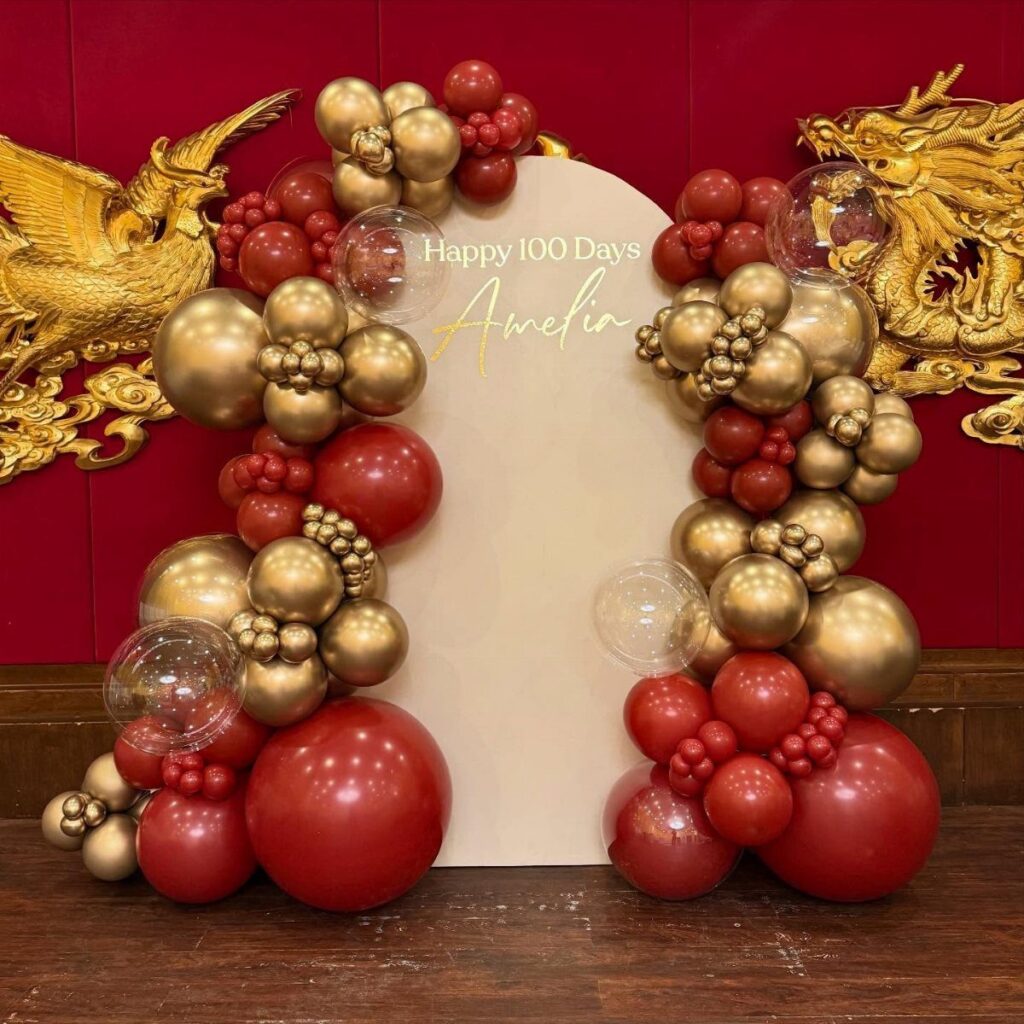
A pink arch in the center anchors the setup, and the sign with the baby’s name and day count sits to one side on a white panel.
Garlands come as kits with balloons and strips, which saves hours over tying them one by one. A limited palette keeps a grey wall from looking busy in the background.
I would put the money into the sign and arch and keep the balloons cheap. Build it the day before if you can, so party day is for guests.
7. Traditional Baek-il Table Setup
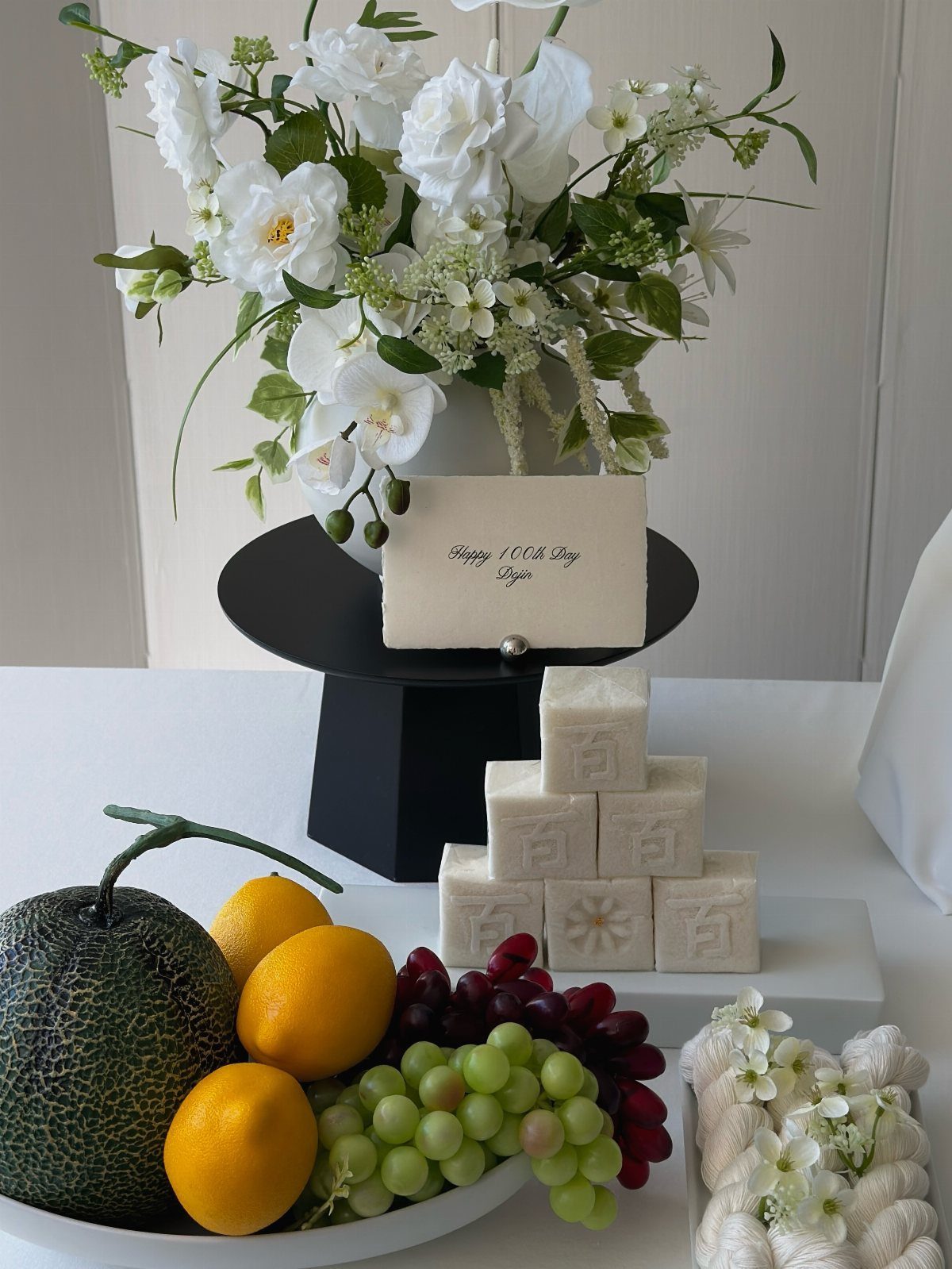
White flowers, white linens and a small cake give a baek-il table a calm, finished look, and the food supplies all the color.
Cube-shaped rice cakes and a bowl of melon, lemons and grapes already carry the table, so no added decor is needed.
Keep the cake small. A table this clean looks best with a few items spaced out, and a cake with the baby’s name on it is enough of a centerpiece.
One vase of white flowers is plenty. Buy the fruit the day before and set the table that morning, so nothing wilts while you wait for guests.
8. Wax-Sealed Milestone Celebration Invitations
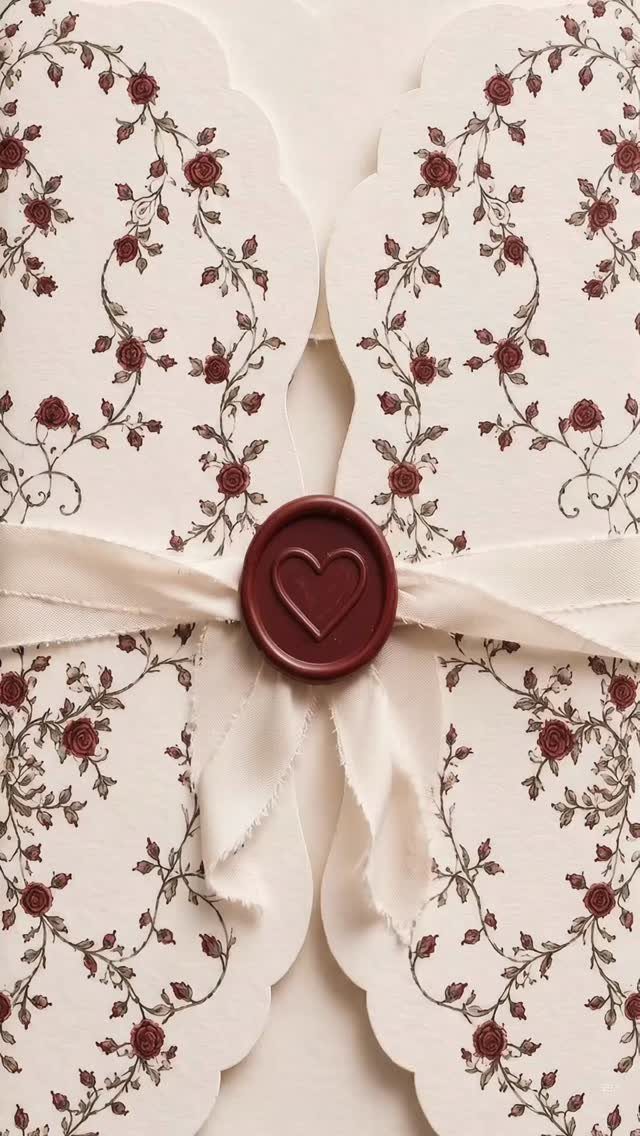
A wax seal makes a printed card feel like a keepsake, and a red heart seal on cream paper is a lovely way to announce a baek-il party.
White ribbon tied around the card adds to that look without costing much.
A rose border keeps the design simple, so you only need the date, the time and the baby’s name. Print the cards at home on cream stock and save the money for the seals and ribbon.
I would make a test card first. Wax needs a minute to set, so seal them in batches rather than the night before the mail goes out.
9. Number Spelled with Treats or Coins
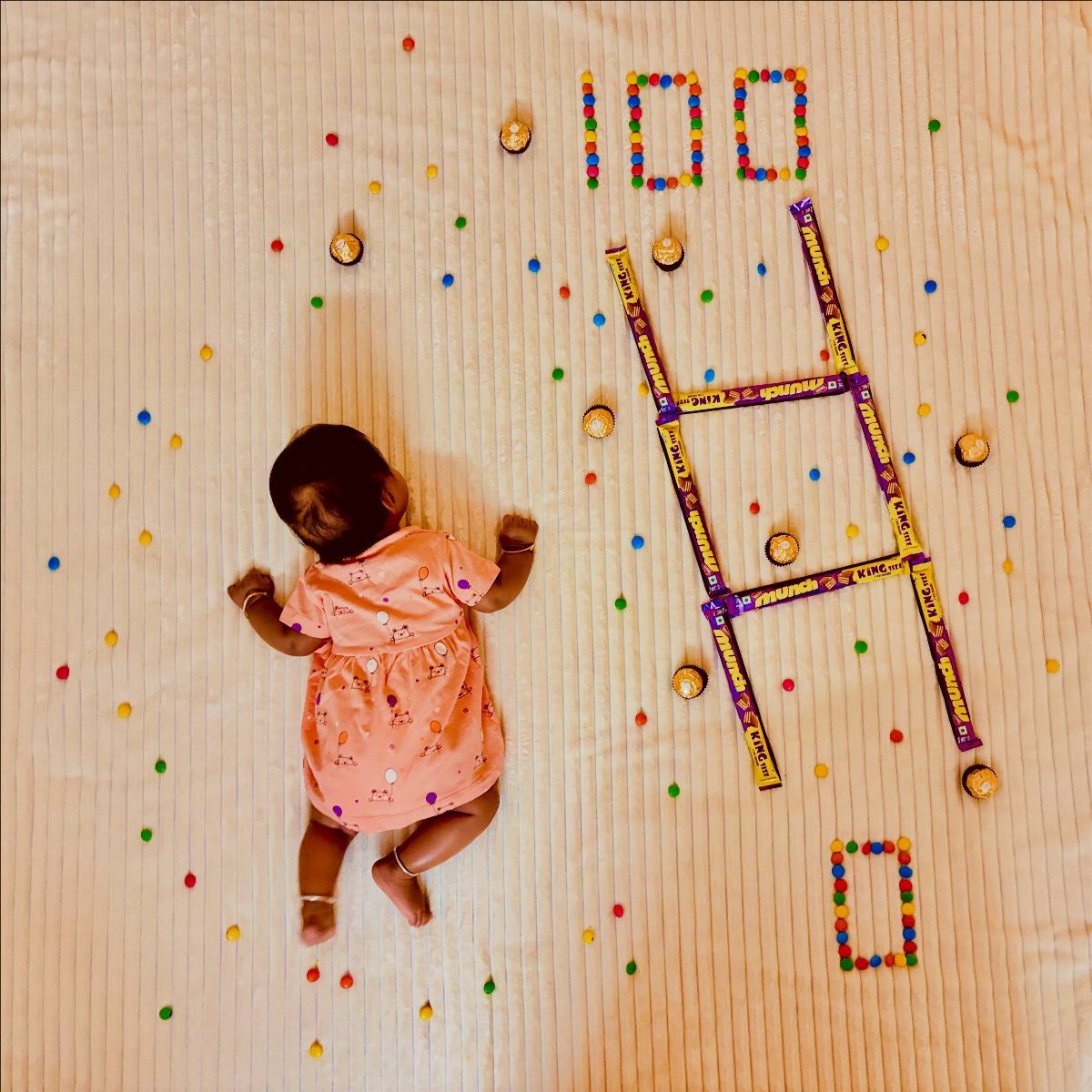
Candy bars and colorful sweets laid out as "100" turn a plain bed into a photo setup, and the layout goes together fast.
Munch bars work well as the straight strokes of the 1 and the 0s, and loose candies fill in the curves.
Plan the layout on the sheet first, then lay the baby beside the number rather than inside it, since little hands grab candy. A white bed or blanket keeps the colors clear.
Coins work the same way if you want something that lasts, and you can keep them afterward. Candy is the cheaper choice, and the number can be eaten once the photos are done.
10. Wooden Milestone Plaque
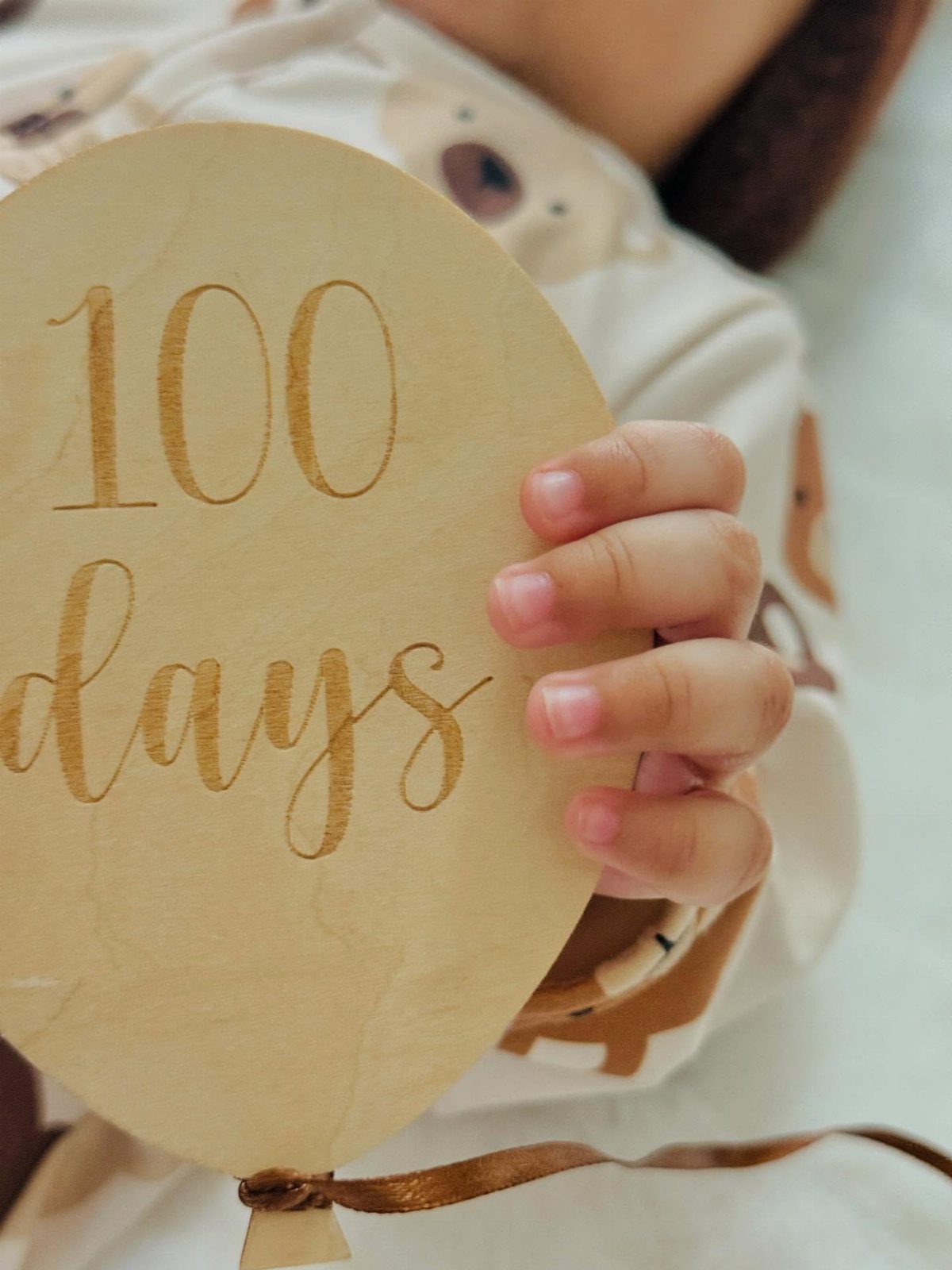
A balloon-shaped wooden plaque engraved with "100 days" is a prop that becomes a keepsake. A baby can hold it, or a parent can hold it up beside them, and it comes home afterward to sit on a shelf.
I like it better than a paper sign because it survives being gripped, dropped and chewed. Choose a plaque with smooth edges, since a baby will bring it straight to their mouth.
Order it early, as engraved pieces take time to make. Check the spelling of the text before you approve it.
11. Red Egg and Ginger Sign
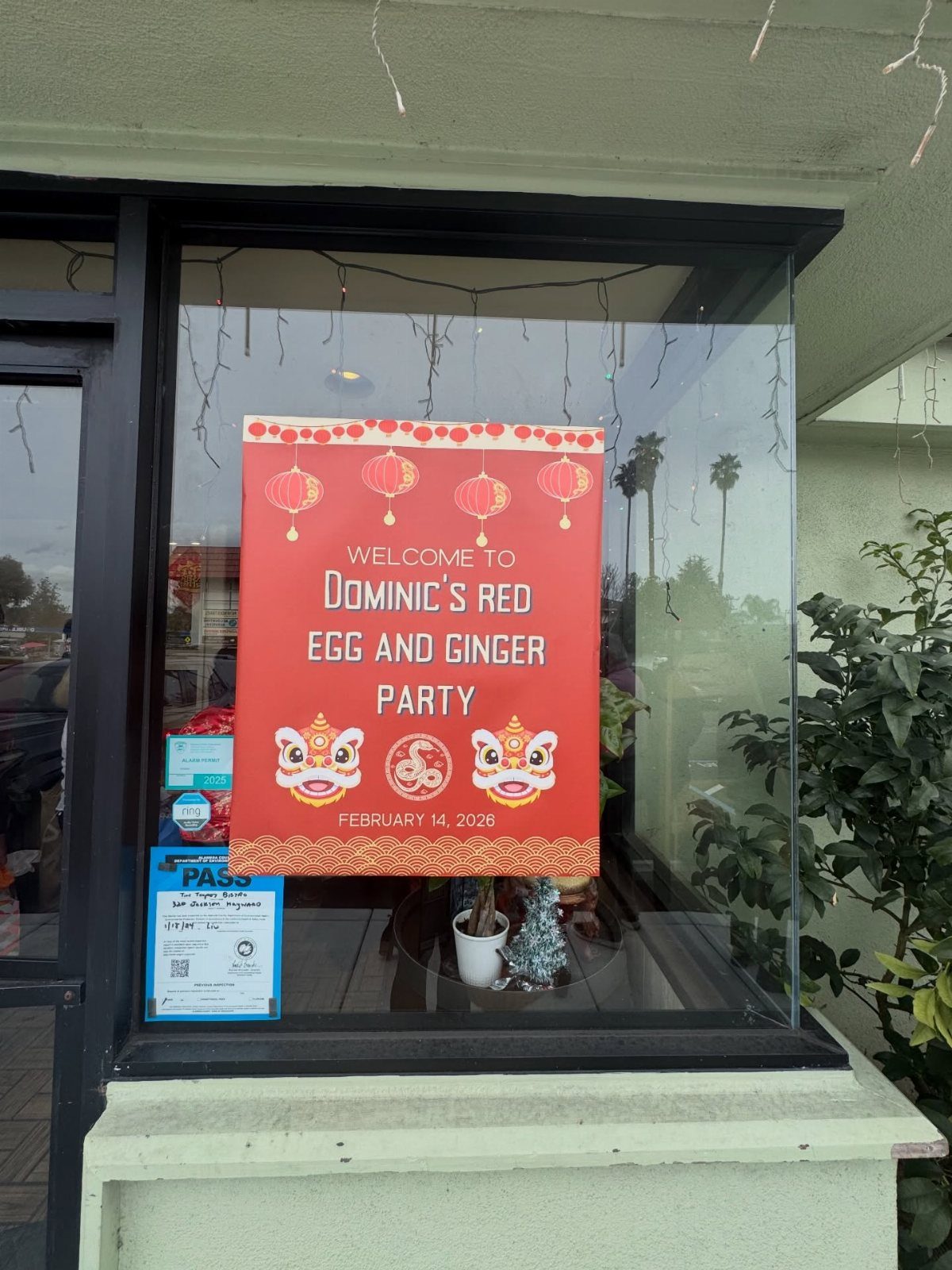
A welcome sign in red and gold tells guests which party they have found before they reach the door. It names the baby, says "Red Egg and Ginger Party" and gives the date, which is all it needs.
Post it in a window or on the front door where people see it from the walkway. Red paper with gold lettering matches the eggs on the table inside.
Print it large so it reads from a few steps back. A glass window holds a sign with tape, so you can hang it that morning, and it makes a good photo for the album.
Cultural Importance
The 100 days celebration grew out of a time when many newborns did not live past their first months. Reaching day 100 meant the baby had survived the riskiest stretch, and families marked it as a sign of health and good fortune.
That history is worth a sentence or two at the party. Guests who know why the day matters tend to treat it as more than a birthday warm-up, and older relatives often enjoy being the ones to explain it.
I would print a short note about the tradition and set it by the guest book. Keep it to 2 or 3 lines, so people read it while they wait for cake.
Family Involvement
Give each relative one job that fits them.
Family involvement keeps a tradition going, so I like handing out jobs to relatives: one person can explain the custom to younger guests, another can take charge of the photos, and everyone leaves with a shared memory.
Ask the oldest generation how their family did it. Their answers often settle small choices, such as who is invited or what gets served, and they feel like part of the planning instead of guests at it.
Set up one shared note or group chat for the plan, so no one is guessing about who is bringing what.
Afterward, have everyone write a line or two for the baby on cards, and tuck them into a box to open years from now. It costs almost nothing and keeps the day alive long after the decor is gone.